How to Propagate Hairy chaffhead?
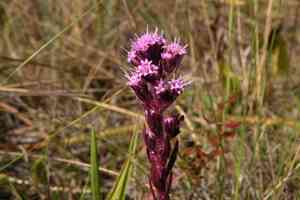
Hairy chaffhead, a herbaceous perennial from the Asteraceae family, originates in North America. For propagation, begin by directly planting seeds into soil that drains effectively. Make certain the seeds are lightly covered and consistently hydrated. Sprouting may take time, so perseverance is crucial. Early weed removal is vital to avoid rivalry for resources. Consulting reputable gardening manuals confirms these procedures as optimal.
When Is the Optimal Period to Propagate Hairy Chaffhead?
Propagation Type
Seeding
Propagation Season
Spring
What Implements Are Utilized in Hairy Chaffhead Propagation?
Seed Trays
Seed trays are crucial for planting hairy chaffhead seeds. They offer a regulated setting where seeds can sprout and mature until they are robust enough for transplanting. The trays must have adequate drainage to prevent water accumulation.
Seedling Heat Mat
A seedling heat mat assists in maintaining a steady soil temperature, which is vital for consistent germination of hairy chaffhead seeds. This tool is especially useful if you are propagating in a cooler climate or during colder periods.
Fine Mist Sprayer
Employing a fine mist sprayer ensures that the soil and emerging hairy chaffhead seedlings are uniformly and gently moistened. This prevents excessive watering and helps preserve the delicate moisture balance required for successful germination.
Sterile Growing Medium
A sterile growing medium reduces the chance of disease and pests, which is particularly important for the initial phases of hairy chaffhead propagation. It establishes an ideal environment for root growth and early development.
Label Markers
Label markers are essential for tracking various plantings, especially when propagating multiple species or varieties. Accurate labeling prevents confusion and aids in monitoring the growth stages of hairy chaffhead.
Humidity Dome
A humidity dome maintains a high moisture level around hairy chaffhead seeds and young seedlings, which is crucial for successful germination. It also helps sustain consistent temperature and moisture levels, improving seedling survival rates.
Plant Light
Supplementary plant lighting is important if natural sunlight is insufficient. It ensures that hairy chaffhead seedlings receive ample light, which is vital for photosynthesis and healthy development.
Seed Dibber
A seed dibber is useful for creating uniform holes in the growing medium, ensuring that hairy chaffhead seeds are sown at the correct depth for optimal germination.
How to Propagate Hairy Chaffhead?
Propagation Type
Simple
How to Nurture Your Newly Propagated Hairy Chaffhead?
How to Nurture Your Newly Propagated Hairy Chaffhead?
Once hairy chaffhead seedlings have emerged and developed sufficiently, transfer them into individual containers or directly into the garden. Ensure they are situated in a sunny spot with well-draining soil. Water the plants regularly to keep the soil consistently moist but avoid waterlogging. Apply mulch around the base of the plants to retain moisture and suppress weeds. Monitor for indications of pests or diseases and address them promptly to ensure the healthy growth of hairy chaffhead.
Common Errors to Avoid When Propagating Hairy Chaffhead
Overwatering
Excessive moisture can lead to root rot, causing the plant to wilt and eventually perish.
Using Poor Soil
Soil lacking proper drainage or nutrients can hinder root development and impede the plant's overall growth.
Incorrect Light Conditions
Exposing hairy chaffhead to insufficient or excessive sunlight can stress the plant, diminishing its growth potential.
Ignoring Pest Control
Failing to monitor for pests can result in infestations, which may harm or kill young plants.
Improper Plant Spacing
Planting hairy chaffhead too closely together can lead to competition for resources, resulting in weaker plants.
Incorrect Watering Technique
Watering hairy chaffhead from above can cause fungal diseases; it's better to water at the base.
Tips For Propagating Hairy Chaffhead
Well-Draining Soil
Utilize soil with good drainage to prevent waterlogging and root rot, which hairy chaffhead is susceptible to.
Moderate Watering
Water hairy chaffhead adequately but avoid oversaturation; check the top inch of the soil before watering again.
Optimal Light
Place hairy chaffhead in a location where it receives ample indirect sunlight but is shielded from harsh, direct sun.
Regular Monitoring
Keep an eye on hairy chaffhead for signs of pests or diseases, and take action promptly if any issues are detected.
Adequate Spacing
Ensure hairy chaffhead is planted or transplanted with enough space around it to allow for proper air circulation and growth.
Bottom Watering
Water hairy chaffhead from the base to minimize the risk of fungal diseases that can occur with overhead watering.



