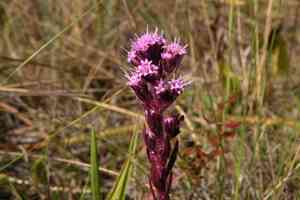
Hairy chaffhead (Carphephorus paniculatus)
Also known as: Hairy Chaffhead
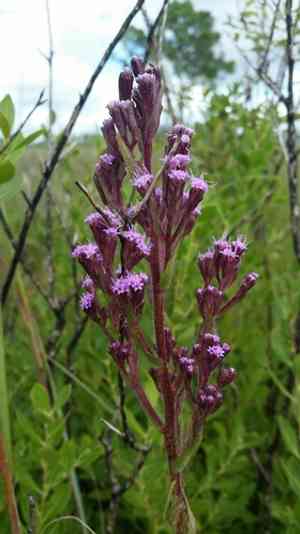
Hairy chaffhead is characterized by its vibrant purple flowers, which bloom atop leafy, upright stems reaching up to 2 feet tall. A native of sandy soils in southeastern US pine forests, it thrives in open, sunny areas. The narrow leaves and clustered blossoms of hairy chaffhead are a beacon for butterflies, serving as a significant source of nectar in its ecosystem.
In This Article
Attributes of Hairy chaffhead
Lifespan
Perennial
Plant Type
Herb
Plant Height
91 cm to 1.8 m
Spread
0.5 to 0.7 meters
Leaf Color
Green
Flower Size
0.5 to 1.5 centimeters
Flower Color
Purple
Images of Hairy chaffhead
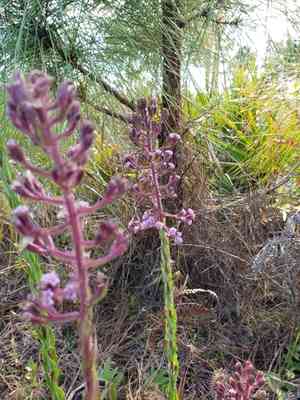
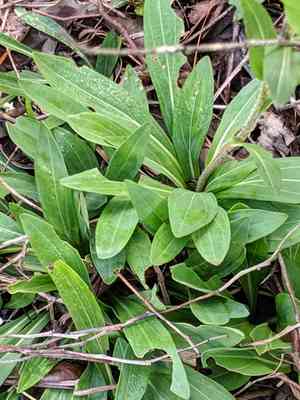
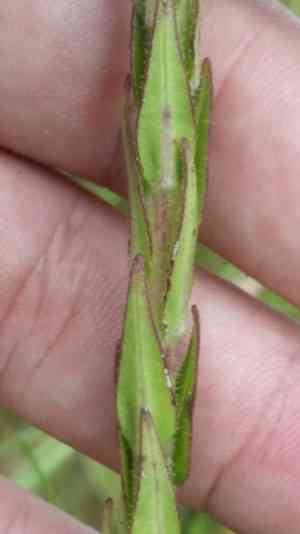
Quickly Identify Hairy chaffhead
1
Densely hairy stem, grows 3-6 feet (90-180 cm) tall.
2
Clustered tubular flowers in shades of purple, dense panicles.
3
Basal leaves with prominent veining, 2-4 inches (5-10 cm) long, lanceolate to oblanceolate.
Scientific Classification of Hairy chaffhead
Phylum
Vascular plants
Class
Dicotyledons
Order
Asterales
Family
Daisy
Genus
Chaffheads
Species
Hairy chaffhead
Planting and Growing of Hairy chaffhead
Care Difficulty
Moderate
Watering Schedule
Every 4 days
Sunlight Requirements
Full sun
Sunshine Duration
4-8 hours
Ideal Temperature
65-75℉
Soil Type
Potting Mix, Peat Mix
Soil pH
6.5-7.5
Fertilizer Type
Balanced
Pruning Season
Spring, Summer
Pruning Area
Branches, Leaves
Pruning Frequency
2 times a year
Repotting Season
Spring
Pot Type
Plastic, Ceramic
 How to Water Hairy chaffhead?
Carphephorus paniculatus enjoys a moderate amount of water, and it's essential for the soil to be moist but not soggy. A good rule of thumb is to provide around 250 ml of water per watering session when the top inch of soil feels dry. This ensures the plant gets enough moisture to sustain its growth without being overwatered.
What are the symptoms of an underwatered Hairy chaffhead?
›
What should I do if my Hairy chaffhead is not getting enough water?
›
What are the symptoms of an overwatered Hairy chaffhead?
›
How to save an overwatered Hairy chaffhead?
›
 What Are the Sunlight Requirements for Hairy chaffhead?
Carphephorus paniculatus benefits from full sun to partial sun exposure. Ideal lighting encourages robust flowering and ensures overall plant health, enhancing its ornamental appeal.
What are the ideal lighting conditions?
›
How can you achieve these lighting conditions?
›
What are the benefits of ideal lighting conditions?
›
 What Is the Ideal Temperature Range for Hairy chaffhead?
To ensure optimal growth of Carphephorus paniculatus, maintaining a temperature range between 65°F and 75°F is vital. This range provides the warmth necessary for the plant's physiological processes, ensuring healthy photosynthesis, respiration, and overall vigor. Moreover, this ideal range allows the plant to maintain its natural growth patterns without the stresses that come from temperatures that are too hot or too cold.
 What Soil is Best for Hairy chaffhead?
Carphephorus paniculatus thrives in nutrient-rich soil, which promotes vigorous growth and profuse blooming. A well-nourished base ensures the plant has access to vital elements required for its health and longevity. This plant favors well-drained soil that prevents waterlogging. Proper drainage halts root rot and retains the structural integrity of the plant, vital for its upright growth and flower production. Increased organic matter in the soil aids in moisture retention while providing sustained nutrient release, crucial for the plant's growth cycle and adapting to seasonal changes.
 How to Fertilize Hairy chaffhead?
Carphephorus paniculatus thrives best when provided with moderate fertilization, ensuring that the nutrient balance is kept, without overwhelming the plant. For liquid fertilizers, using a half-strength solution is advisable, and applying approximately 15-20 milliliters per plant every two weeks should be sufficient. For slow-release fertilizers, a light application of 50 grams per plant per application is ideal.
 How to Prune Hairy chaffhead?
In early spring, just as new growth begins to appear, is the ideal time for the first annual pruning of Carphephorus paniculatus. Trim back old or damaged stems by about one-third to promote vibrant new growth. In addition, cutting back any dead or overly crowded stems aids in increasing airflow and reducing the risk of disease. Around mid-summer, Carphephorus paniculatus benefits from deadheading, a process that involves removing spent blooms. Doing so encourages further flowering and prevents the plant from expending energy on seed production. It's a simple process—just snip the withered flowers at their base without damaging the surrounding foliage.
More About Pruning Techniques→
 How to Propagate Hairy chaffhead plant?
1
Begin by filling seed starter trays with a high-quality seed starting mix. Sow the seeds on the surface, covering them lightly with soil. Water gently to ensure the soil is moist but not waterlogged. Place the trays in a warm, bright location, but out of direct sunlight until germination occurs.
2
In early spring, select healthy, established plants and gently dig around them to expose the roots. Use sharp pruners to cut sections of the roots, each about 2-3 inches long. Replant the cuttings in potting soil, ensuring the cut end is buried. Water thoroughly and keep in a warm environment.
3
In spring, carefully dig up a mature plant. Use a spade or knife to divide the root ball into several sections, ensuring each section has roots and shoots. Replant each division immediately into a prepared bed or pot. Water well to help establish the divisions.
 How to Repot Hairy chaffhead plant?
1
Repot Carphephorus paniculatus when you notice that the roots start growing through the drainage holes of the pot. This is a tell-tale sign that the plant has outgrown its current container. Additionally, if you observe the soil turning sour or compacted, it's an excellent time to consider repotting. Finally, if the plant's growth appears stunted despite good watering and light conditions, a fresh new pot might encourage it to thrive again.
2
Select a pot that is 1-2 sizes larger than the current one, ensuring it has at least one good drainage hole. A slightly larger pot provides the plant with additional space to expand its root system, promoting healthier growth. A pot with drainage prevents water from pooling at the bottom, reducing the risk of root rot, a common problem with improper drainage.
3
A well-draining, sandy soil mix is ideal for Carphephorus paniculatus as it mimics the plant's natural habitat. This kind of soil prevents waterlogging while providing adequate aeration to the roots. Incorporating organic matter like peat or coco coir improves the soil's structure and nutrient content, ensuring a balanced diet for the plant.
Learn More About Hairy chaffhead Diseases
Anthracnose
Bacterial Leaf Spot
Bacterial Soft Rot
Bacterial Wilt
Chemical Injury
Crown Gall
Cyst Nematode
Damping-off
Downy Mildew
Drought Stress
Fusarium Wilt
Gray Mold
Leaf Spot
Mosaic
Nutrient Deficiency
Nutrient Toxicity
Powdery Mildew
Root Rot
Root-knot Nematode
Rusts
Sooty Mold
Spider Mites
Temperature Stress
Thrips Damage
White Mold



