How to Propagate Small-flower wrightwort?
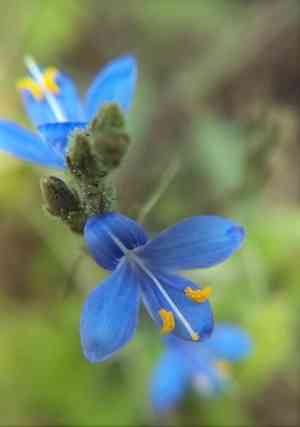
Wrightwort parviflora is a distinctive botanical specimen recognized for its diminutive blossoms. For optimal propagation of this species, utilize sections taken from robust stems. Verify that these sections possess a minimum of several nodes and strip foliage from their basal portion. Insert the cuttings into a substrate that drains efficiently and uphold steady hydration. This technique guarantees an elevated rate of success and ideal developmental circumstances for nascent plants.
Optimal Period for Propagating Small-flower Wrightwort
Propagation Method
Cutting
Propagation Season
Spring,Summer
Tools Required for Small-flower Wrightwort Propagation
Pruning shears
Crucial for obtaining clean cuts from small-flower wrightwort. High-quality, sharp shears prevent harm to the parent plant and lower disease risk. Sterilize before use to maintain plant health.
Rooting hormone
Accelerates root formation and boosts the success rate of cuttings. Dip the severed ends of small-flower wrightwort cuttings into the hormone prior to planting to encourage root growth.
Seedling trays
Beneficial for planting cuttings and providing a regulated environment for root development. The compartments help manage individual cuttings and prevent overcrowding.
Sterile potting mix
Offers the essential support and nutrients for root growth of small-flower wrightwort cuttings. Sterility aids in preventing fungal infections and diseases during the initial propagation stages.
Mist sprayer
Maintains the necessary humidity levels around cuttings, vital for preventing dehydration and promoting root formation on small-flower wrightwort. Regular misting keeps the environment damp.
Heat mat
Ensures consistent and ideal soil temperatures to stimulate root development in small-flower wrightwort cuttings. Temperature regulation is key for quicker and healthier rooting.
Clear plastic cover or humidity dome
Establishes a micro-climate with elevated humidity, preventing water loss and preserving moisture around small-flower wrightwort cuttings, which is critical during the rooting phase.
Labels and markers
Assists in tracking various cuttings and ensuring proper identification. This guarantees organized and precise propagation efforts for small-flower wrightwort.
Clean, sharp knife
Occasionally, a knife may be necessary for cuttings where exactness is paramount. A sterile, sharp knife minimizes tissue damage for small-flower wrightwort.
How to Propagate Small-flower Wrightwort?
Propagation Type
Moderately Difficult
How to Care for Your Newly Propagated Small-flower Wrightwort?
How to Care for Your Newly Propagated Small-flower Wrightwort?
Once the cutting has developed roots and exhibits new growth, transfer it to a larger container or directly into the garden. Provide small-flower wrightwort with well-draining soil, consistent watering, and partial shade to full sun exposure. Apply mulch around the base to retain soil moisture and suppress weed growth. Prune as needed to maintain shape and encourage bushier development. Monitor for pests and diseases, addressing any issues promptly to keep the plant healthy and thriving.
Common Mistakes to Avoid When Propagating Small-flower Wrightwort
Overwatering
Excessive watering can lead to root rot, which will impede the plant's ability to establish as too much moisture can suffocate the roots.
Insufficient Sunlight
A lack of adequate sunlight can cause the plant to become elongated and weak, diminishing its overall vigor and health.
Poor Soil Drainage
Utilizing poorly draining soil can result in waterlogging, which stresses the plant and heightens the risk of root diseases.
Inadequate Temperature Control
Failing to maintain appropriate temperatures can shock the plant and hinder its growth, especially if exposed to sudden cold or hot drafts.
Improper Cuttings
Taking cuttings from unhealthy or non-viable plant parts can lead to poor propagation success, as these sections are less likely to develop roots.
Tips For Propagating Small-flower Wrightwort
Moderate Watering
Ensure the soil remains slightly damp but not waterlogged. Allow the top inch of soil to dry out between waterings to prevent root rot.
Provide Adequate Light
Place the plant in an area where it receives ample indirect sunlight to support healthy growth. Avoid overly shaded locations.
Use Well-Draining Soil
Select a soil medium that offers excellent drainage. Combining potting mix with perlite or sand can improve soil aeration and prevent water stagnation.
Maintain Stable Environment
Keep the plant in a stable temperature range, ideally between 70-75°F (21-24°C). Avoid placing it near drafts or extreme temperature changes.
Choose Healthy Cuttings
Select cuttings from vigorous, disease-free sections of the plant. Ensure each cutting has a few leaves and at least one node for optimal root development.



