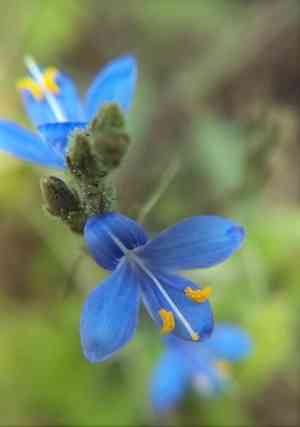
Small-flower wrightwort (Carlowrightia parviflora)
Also known as: Mexican Petunia
The small-flower wrightwort is a hardy plant that flourishes in arid, rocky habitats, such as desert landscapes and limestone areas. Its small, tubular flowers, usually white or light pink, add a touch of delicate charm to its rugged surroundings. Featuring slender green leaves, this resilient species is well-adapted to withstand the tough conditions of its native environment, often growing low to the ground in well-drained, dry soils.
In This Article
Attributes of Small-flower wrightwort
Lifespan
Perennial
Plant Type
Shrub
Plant Height
20-60 cm (8-24 inches)
Spread
20-40 cm (8-16 inches)
Leaf Color
Green
Flower Size
1-2 cm (0.4-0.8 inches)
Flower Color
Light Purple, Pink
Images of Small-flower wrightwort


Quickly Identify Small-flower wrightwort
1
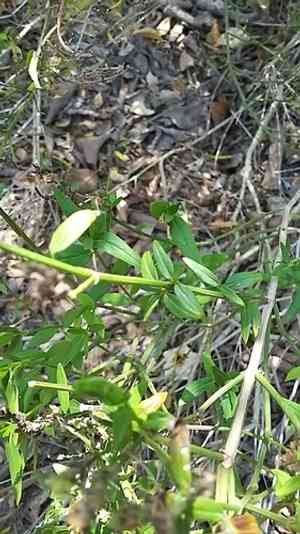
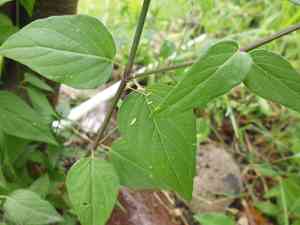
This plant can be identified by its small, tubular flowers, typically light purple or pink in color, and its lance-shaped leaves that grow in opposite pairs.
Scientific Classification of Small-flower wrightwort
Phylum
Vascular plants
Class
Dicotyledons
Order
Lamiales
Family
Acanthus
Genus
Carlowrightia
Species
Small-flower wrightwort
Planting and Growing of Small-flower wrightwort
Care Difficulty
Moderate
Watering Schedule
Every 2 days
Sunlight Requirements
Full sun
Sunshine Duration
4-8 hours
Ideal Temperature
70-85℉
Soil Type
Potting Mix, Peat Mix
Soil pH
6.5-7.5
Fertilizer Type
Balanced
Pruning Season
Spring, Summer
Pruning Area
Branches, Leaves
Pruning Frequency
2 times a year
Repotting Season
Spring
Pot Type
Plastic, Ceramic
 How to Water Small-flower wrightwort?
Carlowrightia parviflora requires a consistent but measured approach to watering. This plant prefers when the soil is allowed to dry out slightly between waterings. Each watering should ensure thorough saturation, meaning water until it begins to drain from the bottom of the pot. Be cautious to avoid waterlogging, which can suffocate the roots and lead to root rot.
What are the symptoms of an underwatered Small-flower wrightwort?
›
What should I do if my Small-flower wrightwort is not getting enough water?
›
What are the symptoms of an overwatered Small-flower wrightwort?
›
How to save an overwatered Small-flower wrightwort?
›
 What Are the Sunlight Requirements for Small-flower wrightwort?
Carlowrightia parviflora ideally requires conditions akin to full sun to partial sun environments. These conditions promote maximum foliage growth, flowering, and overall plant vigor by ensuring it receives sufficient energy for photosynthesis.
What is the best lighting condition for Carlowrightia parviflora?
›
How can I ensure Carlowrightia parviflora receives enough light?
›
What benefits arise from Carlowrightia parviflora receiving ideal light?
›
 What Is the Ideal Temperature Range for Small-flower wrightwort?
The ideal temperature range for Carlowrightia parviflora is between 70°F and 85°F. This range promotes optimal growth and development, ensuring that the plant can photosynthesize efficiently without experiencing thermal stress. Maintaining temperatures within this range supports the plant's natural physiological processes, including transpiration and nutrient uptake.
 What Soil is Best for Small-flower wrightwort?
Carlowrightia parviflora requires well-draining soil to thrive. With good drainage, this plant avoids root rot, which is crucial for maintaining its health and vigor. A balanced nutrient profile in the soil is essential for Carlowrightia parviflora. Adequate nutrients support robust growth and a vibrant flowering period for this plant. The plant benefits greatly from soil that allows for proper aeration. This enhances root respiration, facilitating better nutrient uptake and overall plant strength.
 How to Fertilize Small-flower wrightwort?
Carlowrightia parviflora benefits from a balanced approach to fertilization. For liquid fertilizers, use a diluted solution at half the recommended strength for household plants, which is about 1/2 teaspoon per gallon of water. Solid fertilizers should be applied sparingly to avoid root burn, using about 1/4 cup per square foot.
 How to Prune Small-flower wrightwort?
Begin by removing any dead or diseased branches to maintain plant health. Next, cut back overgrown branches, focusing on maintaining the plant's natural shape. Aim to prune just above a node to promote new growth. Keep the center open for air circulation, which helps prevent disease. Always clean your tools before and after use to prevent the spread of pathogens.
More About Pruning Techniques→
 How to Propagate Small-flower wrightwort plant?
1
Select healthy branches and cut 4-6 inch sections using sharp pruning shears. Ensure each cutting has at least two nodes, where roots will eventually develop.
2
For seed propagation, prepare seeds by soaking them in water for 24 hours to break dormancy. Sow the seeds about 1/4 inch deep in propagation trays filled with seed-starting mix.
3
Place cuttings or seeds in a warm area with indirect sunlight. To promote humidity, cover the propagation trays or pots with a clear plastic dome or bag.
 How to Repot Small-flower wrightwort plant?
1
Repot Carlowrightia parviflora when you notice signs like roots growing through the drainage holes, soil that dries out rapidly, or stunted growth. These indicators suggest the plant has outgrown its current pot and requires more space to thrive.
2
Select a pot that is one size larger, with ample drainage holes. A slightly larger pot allows for root expansion, preventing rootbound issues while ensuring excess water drains efficiently, reducing the risk of root rot.
3
Opt for a well-draining potting mix, ideally a cactus or succulent mix. This type of soil ensures proper drainage, preventing waterlogging and promoting healthy root growth, which is crucial for the plant's overall health.
Learn More About Small-flower wrightwort Diseases
Anthracnose
Bacterial Leaf Spot
Bacterial Wilt
Chemical Injury
Damping-off
Downy Mildew
Drought Stress
Fusarium Wilt
Gray Mold
Leaf Curl
Leaf Spot
Mosaic
Nutrient Deficiency
Nutrient Toxicity
Powdery Mildew
Root Rot
Root-knot Nematode
Rusts
Sooty Mold
Spider Mites
Temperature Stress
Thrips Damage
White Mold



