How to Propagate Leavenworth's sedge?
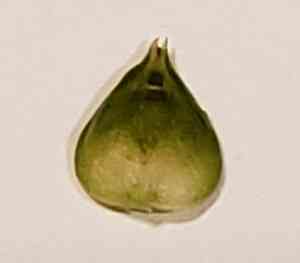
Leavenworth's sedge, a member of the Cyperaceae family, primarily reproduces via division. This process entails meticulously splitting the clusters into smaller, more manageable portions during relocation, making sure each new piece possesses sufficient root structure. This technique facilitates faster integration into new surroundings, contributing to the effective dissemination and upkeep of the sedge in cultivated areas.
Optimal Period for Leavenworth's Sedge Propagation
Propagation Method
Splitting
Propagation Period
Spring,Autumn
Tools Required for Leavenworth's Sedge Propagation
Garden spade or digging fork
These implements are crucial for the division technique of propagating leavenworth's sedge. A sharp, robust garden spade or digging fork is utilized to gently lift the plant from the earth, minimizing root damage. This tool aids in safely separating the root ball into smaller portions while preserving the integrity of each part, which is vital for the survival and health of leavenworth's sedge during relocation.
Pruning shears
Pruning shears are employed to trim any dead or superfluous foliage from leavenworth's sedge both before and after division. This helps alleviate plant stress by reducing the amount of foliage the roots must support, leading to quicker recovery and improved growth post-transplantation. Ensure the shears are clean and sharp to prevent harming plant tissues.
Watering can with a gentle shower head attachment
Maintaining adequate hydration for leavenworth's sedge is essential for successful propagation and recovery. The gentle shower head attachment ensures water is evenly distributed over the soil without disruption or erosion. This tool helps sustain optimal moisture levels in the soil, promoting faster root establishment and growth.
Rooting hormone powder or gel (optional)
Applying rooting hormone to freshly cut divisions can boost root growth and establishment in leavenworth's sedge. This is especially beneficial when propagating from divisions with less robust root systems. The hormone stimulates root development, providing a stronger foundation for the new plants.
How to Propagate Leavenworth's Sedge?
Propagation Type
Simple
Caring for Your Newly Propagated Leavenworth's Sedge
Caring for Your Newly Propagated Leavenworth's Sedge?
After propagation, keep the soil consistently moist but not waterlogged, as leavenworth's sedge thrives in damp conditions. Apply organic mulch around the base to retain moisture and deter weeds. Monitor for pests or diseases, though leavenworth's sedge generally requires minimal upkeep once established. Be patient, as it may take one or two seasons for leavenworth's sedge to fully establish and begin vigorous growth.
Common Errors to Avoid When Propagating Leavenworth's Sedge
Overwatering
Watering leavenworth's sedge too often can cause root rot, as this species prefers well-drained environments. Excessive moisture can suffocate the roots, impairing the plant's ability to absorb nutrients.
Deep planting
Planting leavenworth's sedge too deeply can impede its development. Leavenworth's sedge prefers to be planted at a soil depth similar to its previous growing conditions. Deep planting can lead to crown rot.
Ignoring clump division
Failing to divide leavenworth's sedge can result in overcrowded growth. Overcrowded plants compete for light, space, and nutrients, which can diminish overall health and vitality.
Tips For Propagating Leavenworth's Sedge
Soil preparation
Prepare a well-draining soil mixture to encourage healthier root development for leavenworth's sedge. Ensuring good drainage is crucial to prevent waterlogged conditions.
Regular division
Divide leavenworth's sedge clumps every few years to maintain plant vigor and stimulate new growth. Division helps alleviate crowding and revitalizes older plants.
Appropriate depth
Ensure that leavenworth's sedge is planted at the correct depth. The plant's crown should be slightly above the soil surface to prevent rotting and promote air circulation around the base.



