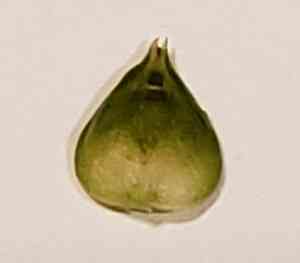
Leavenworth's sedge (Carex leavenworthii)
Also known as: Leavenworth's Sedge
Leavenworth's sedge is a perennial plant that flourishes in moist, open environments. It features clustered, narrow leaves and tall, slender stems adorned with green to brownish spikelets that appear in late spring. Its robust root system is excellent for soil stabilization, making it both functional and visually appealing in natural settings.
In This Article
Attributes of Leavenworth's sedge
Lifespan
Perennial
Plant Type
Grass
Plant Height
20-50 cm (8-20 inches)
Spread
No distinct crown, but the plant can form dense clumps about 30-60 cm (12-24 inches) in diameter
Leaf Color
Green
Flower Size
Small, less than 1 cm (0.4 inches)
Flower Color
Green to brown
Images of Leavenworth's sedge
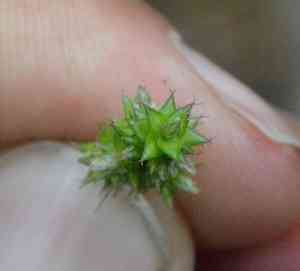
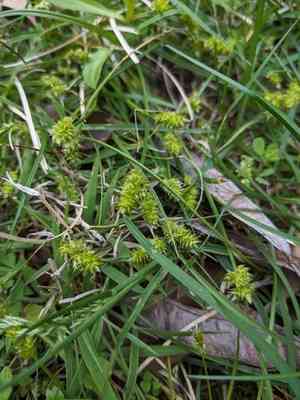
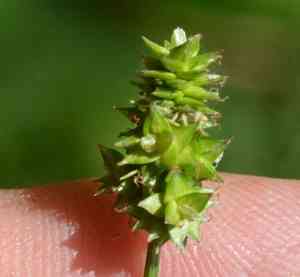
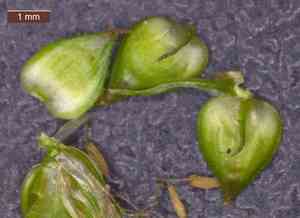
Quickly Identify Leavenworth's sedge
1
Leavenworth\'s Sedge can be identified by its narrow, grass-like leaves and its small, clustered spikelets. The plants are often tufted and can grow in dense colonies. Its perigynia (sac-like structures) are typically oval to elliptic and greenish-brown in color.
Scientific Classification of Leavenworth's sedge
Phylum
Vascular plants
Class
Monocotyledons
Order
Poales
Family
Sedge
Genus
True sedges
Species
Leavenworth's sedge
Planting and Growing of Leavenworth's sedge
Care Difficulty
Easy
Watering Schedule
Every 4 days
Sunlight Requirements
Partial sun
Sunshine Duration
4-8 hours
Ideal Temperature
65-75℉
Soil Type
Potting Mix, Peat Mix
Soil pH
6.5-7.5
Fertilizer Type
Balanced
Pruning Season
Spring, Summer
Pruning Area
Branches, Leaves
Pruning Frequency
2 times a year
Repotting Season
Spring
Pot Type
Ceramic, Plastic
 How to Water Leavenworth's sedge?
For Carex leavenworthii, ensure the soil remains moist but not soggy. Water it with about 200 milliliters each time, so the soil is moist throughout but not waterlogged. This plant appreciates even soil moisture, so adjust according to the environment.
What are the symptoms of an underwatered Leavenworth's sedge?
›
What should I do if my Leavenworth's sedge is not getting enough water?
›
What are the symptoms of an overwatered Leavenworth's sedge?
›
How to save an overwatered Leavenworth's sedge?
›
 What Are the Sunlight Requirements for Leavenworth's sedge?
Partial sun exposure ranging from 2 to 6 hours is ideal, providing Carex leavenworthii sufficient light for photosynthesis while preventing leaf burn. This balanced exposure promotes healthy growth and vivid greenery.
What is the best light for growth?
›
How can I maintain ideal light conditions?
›
What benefits does proper lighting offer?
›
 What Is the Ideal Temperature Range for Leavenworth's sedge?
The ideal temperature range for Carex leavenworthii is between 65°F and 75°F. Within this range, the plant can efficiently perform photosynthesis, maintain robust growth, and reproduce healthily. These temperatures simulate the plant’s native habitat conditions and therefore ensure optimum care.
 What Soil is Best for Leavenworth's sedge?
Carex leavenworthii thrives in well-drained soil where excess water can easily run off. This prevents root rot and promotes healthy root development, which is essential for the plant's robust growth and resilience to environmental stress. The soil should be able to retain moisture, ensuring that the roots receive a constant water supply without drying out. This balance between drainage and moisture is key to maintaining vigor and avoiding stress in warmer climates. A nutrient-rich soil provides the essential elements required for Carex leavenworthii's growth and development. Enriched soil encourages lush foliage and strong, healthy plant structures by supplying vital nutrients and minerals.
 How to Fertilize Leavenworth's sedge?
For Carex leavenworthii, a moderate amount of fertilizer is ideal. This grass-like plant doesn't require heavy feeding. When using liquid fertilizers, aim for a solution that delivers approximately 250-500 ppm of nitrogen. For slow-release fertilizers, apply about 10-15 grams per square foot annually.
 How to Prune Leavenworth's sedge?
Begin by cutting back any long, overgrown stems to encourage a more compact growth habit. Focus on cutting the stems at the base without damaging the crown of the plant. Removing the cluttered foliage gives it a neat appearance and promotes better air circulation. Inspect the plant and remove any brown, dead, or discolored leaves. These parts can attract pests and promote disease if left unchecked. Gently pull dead leaves from the base or cut them as necessary for a clean look. To maintain a pleasant shape, thin out crowded areas. Remove excess stems to prevent excessive shading within the plant. This technique allows light to penetrate through the foliage, supporting robust growth across the plant.
 How to Propagate Leavenworth's sedge plant?
1
Use a well-draining soil mix with balanced moisture retention. Ensure the soil is free from large debris and has a neutral pH to support germination or division.
2
Lightly press seeds into the soil surface without covering them entirely. This allows light exposure, which is critical for the seeds to germinate effectively in early spring.
3
Gently dig up mature clumps and separate them into smaller sections, ensuring each has roots intact. Plant them into prepared soil immediately to avoid drying out.
 How to Repot Leavenworth's sedge plant?
1
Carex leavenworthii shows signs it's ready for repotting when roots start to protrude from the drainage holes, signaling the plant has outgrown its current pot. Another sign is stunted growth despite adequate watering and nutrition. Ideally, consider repotting this plant in early spring or autumn to ensure it acclimates before the growing season.
2
When selecting a pot for Carex leavenworthii, opt for one that is one to two inches larger in diameter than the current container. Ensure it has adequate drainage holes to prevent root rot. Choosing a slightly larger pot provides the roots with space to expand without leading to waterlogging, enhancing the plant's overall health and growth.
3
Choose a well-draining potting mix for Carex leavenworthii to prevent water from stagnating at the roots. Incorporate organic matter like peat or compost to retain necessary moisture while ensuring aeration. This soil composition supports optimal root health by balancing moisture retention and drainage, promoting robust plant growth.



