How to Propagate Santa barbara sedge?
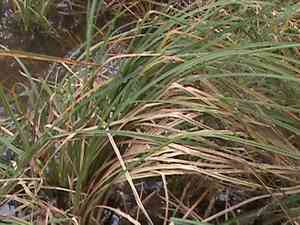
Santa Barbara sedge is a resilient perennial that flourishes in damp, adequately drained earth and areas with partial to complete shade. A useful technique for multiplying Santa Barbara sedge entails splitting, optimally executed by meticulously detaching the rhizomes, making sure every segment possesses sufficient root structure. This approach facilitates rapid establishment and expansion of Santa Barbara sedge, aiding in preserving its verdant, grass-like aesthetic.
Optimal Timing for Santa Barbara Sedge Propagation
Propagation Method
Division
Propagation Period
Spring,Autumn
Tools Required for Santa Barbara Sedge Propagation
Sharp Knife or Garden Shears
These are vital for making clean cuts through the root system of santa barbara sedge during the division process. A sharp knife ensures precise cuts, minimizing harm to the plant's delicate roots and encouraging faster recovery and growth after division. Sterilized tools are essential to prevent disease transmission.
Gardening Gloves
Gloves safeguard hands from sharp edges and potential pathogens during the division of santa barbara sedge. They also offer a better grip on the plant, ensuring safe and effective handling without harming tender shoots and roots.
Watering Can with a Fine Rose
Following division, santa barbara sedge needs gentle watering to help establish the newly planted sections. A watering can with a fine rose attachment provides a soft, dispersed water flow, reducing the risk of soil erosion around new plantings and helping them settle efficiently.
Garden Spade or Fork
Used for digging around and lifting santa barbara sedge from the soil with minimal root disturbance. A spade or fork with a sharp, flat edge is perfect for cleanly cutting through the soil and prying out plant sections without excessive damage.
Plant Labels and Marker
Important for tracking divided plants, especially when propagating multiple specimens or varieties of santa barbara sedge. Labels ensure proper identification and monitoring of growth progress and specific care needs for each newly established plant.
Rooting Hormone (optional)
While not always necessary, applying a rooting hormone to the cut root sections can enhance root development and establishment in santa barbara sedge. This can be particularly useful for boosting propagation success, especially in suboptimal soil or climate conditions.
How to Propagate Santa Barbara Sedge?
Propagation Type
Easy
Caring for Your Newly Propagated Santa Barbara Sedge
Caring for Your Newly Propagated Santa Barbara Sedge
Post-propagation care for santa barbara sedge involves maintaining consistent soil moisture and protecting the plant from extreme conditions. Continue to provide shade and water regularly, especially during dry spells, to support healthy growth. Monitor for pests or diseases, and trim away any dead or damaged foliage to keep the plant looking neat and healthy.
Common Mistakes to Avoid When Propagating Santa Barbara Sedge
Overwatering
Excessive watering of santa barbara sedge can lead to root rot, a condition where roots decay, hindering the plant's ability to absorb nutrients and water, ultimately leading to its demise.
Using Poor Quality Cuttings
Beginning propagation with diseased or weak cuttings of santa barbara sedge can result in poor growth or failure to root. Healthy cuttings are vital for successful propagation.
Inadequate Light
While santa barbara sedge thrives in partial shade, it still requires sufficient light to support growth after propagation. Insufficient light can lead to weak, leggy growth.
Tips For Propagating Santa Barbara Sedge
Use Fresh Division Cuttings
Propagate santa barbara sedge using fresh divisions from a healthy mother plant. Ensure each division has adequate roots and at least one or two growing points to increase the chances of successful rooting.
Maintain Moist Soil
Keep the soil consistently moist but not waterlogged when propagating santa barbara sedge. Adequate moisture supports root development without the risk of root rot.
Provide Indirect Light
After propagation, place santa barbara sedge in a location where it receives indirect light. This mimics the natural light conditions santa barbara sedge is adapted to and supports healthy growth.



