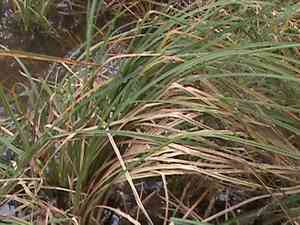
Santa barbara sedge (Carex barbarae)
Also known as: Santa Barbara sedge, basket sedge
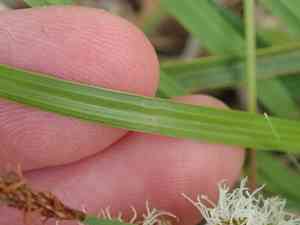
This sedge features smooth, triangular stems that can grow up to or slightly above one meter in height, typically not forming clumps. The leaves are robust and slender, with basal sheaths that may exhibit red or purple spots and a tendency to fray. Its inflorescence includes both erect and drooping spikes that can reach up to 8 centimeters in length, accompanied by a prominent bract that extends beyond the spikes.
In This Article
Attributes of Santa barbara sedge
Lifespan
Perennial
Plant Type
Grass
Plant Height
30 cm to 91 cm
Spread
0.5 to 1 meter
Leaf Color
Green
Flower Size
Small, typically less than 1 cm
Flower Color
Brown
Images of Santa barbara sedge
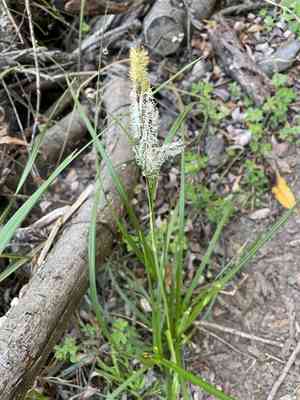
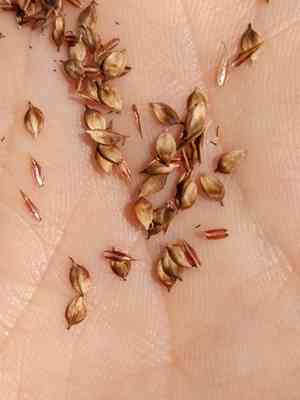
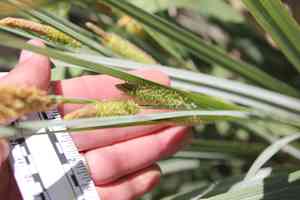
Quickly Identify Santa barbara sedge
1
Carex barbarae can be identified by its sturdy, triangular stems and long, narrow leaves. The plant produces dense clumps and has characteristic brown, grain-like flower clusters.
Scientific Classification of Santa barbara sedge
Phylum
Vascular plants
Class
Monocotyledons
Order
Poales
Family
Sedge
Genus
True sedges
Species
Santa barbara sedge
Planting and Growing of Santa barbara sedge
Care Difficulty
Easy
Watering Schedule
Every 4 days
Sunlight Requirements
Full sun
Sunshine Duration
6-10 hours
Ideal Temperature
50-77℉
Soil Type
Potting Mix, Peat Mix
Soil pH
6.5-7.5
Fertilizer Type
Balanced
Pruning Season
Spring, Summer
Pruning Area
Branches, Leaves
Pruning Frequency
2 times a year
Repotting Season
Spring
Pot Type
Plastic, Terracotta
 How to Water Santa barbara sedge?
Carex barbarae prefers consistently moist soil, but not waterlogged. Water until the soil is evenly moist throughout, approximately 250 milliliters, ensuring that excess water drains away to prevent root rot.
What are the symptoms of an underwatered Santa barbara sedge?
›
What should I do if my Santa barbara sedge is not getting enough water?
›
What are the symptoms of an overwatered Santa barbara sedge?
›
How to save an overwatered Santa barbara sedge?
›
 What Are the Sunlight Requirements for Santa barbara sedge?
Carex barbarae does well in full to partial sun, ideally receiving four to six hours of sunlight daily. Proper light promotes vibrant color and healthy growth.
Optimal Sun Exposure
›
Maintaining Consistent Light Levels
›
Benefits of Proper Lighting
›
 What Is the Ideal Temperature Range for Santa barbara sedge?
The ideal temperature range for Carex barbarae typically lies between 50°F and 77°F. This range provides optimal conditions for growth and metabolic activities. In these temperatures, the plant can effectively photosynthesize, uptake nutrients, and grow without stress. Keeping the temperature in this range ensures robust and healthy development.
 What Soil is Best for Santa barbara sedge?
Carex barbarae thrives in nutrient-rich loam that provides essential minerals and supports robust root development. This soil type ensures the plant gets adequate nutrients, fostering vigorous growth and enhancing its natural resilience. Well-drained soil is crucial as it prevents waterlogging, which could otherwise lead to root rot. This type of soil maintains ideal moisture balance, allowing Carex barbarae roots to breathe, promoting healthy development. It requires soil that retains moisture to stay hydrated but remains permeable enough to avoid standing water. This balance keeps the plant hydrated in dry spells while protecting it from excessive moisture.
 How to Fertilize Santa barbara sedge?
For Carex barbarae, you should apply a moderate amount of fertilizer. Use about 1/4 cup of liquid fertilizer if you’re using liquid form every two weeks during the growing season, or follow the product’s specific instructions. With slow-release granular, distribute about 1/2 cup per square foot annually. Avoid over-fertilizing as this can harm the plant.
 How to Prune Santa barbara sedge?
Examine the plant for brown, dead, or damaged leaves. These should be your primary targets for pruning, as their removal allows the plant to direct energy to healthy growth. Begin trimming by holding the leaf bunch between your fingers and cutting at the base of the foliage using your shears. Make clean cuts to avoid ragged edges which can invite pests or disease. After removing visibly undesirable leaves, take a step back and shape the plant by cutting any excessively long or wild blades to maintain a neat, balanced appearance that complements your garden.
More About Pruning Techniques→
 How to Propagate Santa barbara sedge plant?
1
Choose a well-draining soil mix rich in organic matter. Ensure the soil is slightly moist but not waterlogged, which can hinder seed germination and root division success.
2
Scatter seeds evenly over the surface of the prepared soil. Lightly cover with a thin layer of soil and gently water to ensure seeds stay in place. Maintain consistent moisture until seeds germinate.
3
Carefully dig up the mature plant and shake off excess soil. Use a sharp knife to divide the root clump into smaller sections, ensuring each has adequate roots and shoots. Replant immediately into prepared soil.
 How to Repot Santa barbara sedge plant?
1
Repotting Carex barbarae is best done when you notice roots spiraling around the pot or emerging through drainage holes. Another signal is when water retention decreases, indicating soil compaction. Typically, it's ideal to repot during its active growing seasons in spring or summer to minimize stress.
2
Selecting the right pot for Carex barbarae is crucial. Opt for a container that's one size larger than the current pot, with ample drainage holes to prevent waterlogging. Pots made from porous materials like terra cotta help balance humidity, improving plant health by reducing the risk of root rot.
3
Choosing the optimal soil for repotting involves picking a well-draining loamy mix. Such soil ensures that excess water drains easily while retaining adequate moisture and nutrients for root health. This composition keeps the plant hydrated without waterlogging, promoting robust root development.
Learn More About Santa barbara sedge Diseases
Anthracnose
Bacterial Leaf Spot
Bacterial Soft Rot
Chemical Injury
Damping-off
Downy Mildew
Drought Stress
Fusarium Wilt
Gray Mold
Leaf Spot
Mosaic
Nutrient Deficiency
Nutrient Toxicity
Powdery Mildew
Root Rot
Root-knot Nematode
Rusts
Sooty Mold
Spider Mites
Temperature Stress
Thrips Damage
White Mold



