How to Propagate Lesser Balloon Vine?
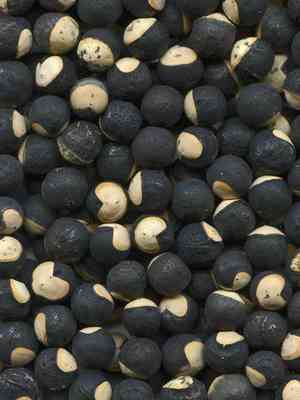
Cardiospermum halicacabum thrives when reproduced via cuttings. Cultivators can attain favorable outcomes by choosing robust, semi-lignified segments. Cuttings ought to possess several leaves to aid development and be inserted into damp, adequately draining substrate. Consistent irrigation and filtered sunlight encourage more rapid root formation, boosting successful integration.
Optimal Period for Lesser Balloon Vine Propagation
Propagation Method
Cutting
Propagation Period
Spring,Summer
Tools Required for Lesser Balloon Vine Propagation
Sharp pruning shears
These are crucial for making clean, precise cuts on lesser Balloon Vine stems. Clean cuts help prevent disease and promote quicker healing of the cut surfaces, improving rooting success.
Rooting hormone
This chemical agent encourages root development from lesser Balloon Vine cuttings. Applying it to fresh stem ends increases the likelihood of cuttings forming strong root systems, vital for successful transplanting.
Sterile potting mix
A well-aerated, pathogen-free potting mix offers an ideal environment for lesser Balloon Vine cuttings to root. This medium should be free of disease-causing agents, preventing issues that could hinder the propagation of new cuttings.
Propagation tray
Designed to hold cuttings, propagation trays ensure lesser Balloon Vine cuttings are properly spaced and supported. These trays also facilitate even moisture and nutrient distribution necessary for rooting.
Plastic covers or humidity domes
Maintaining high humidity around lesser Balloon Vine cuttings is essential to prevent the delicate cut stems from drying out before roots form. Covers or domes trap atmospheric moisture, creating an ideal microenvironment for root growth.
Post-Propagation Care for Lesser Balloon Vine
How to Care for Your Newly Propagated Lesser Balloon Vine?
Once lesser Balloon Vine cuttings have rooted, gradually introduce them to lower humidity by slightly opening the cover daily for a week. Afterward, remove the cover entirely. Continue to water regularly, letting the soil dry slightly between waterings. Place plants in bright, indirect light. Fertilize every 4-6 weeks during the growing season with a balanced, water-soluble product to support healthy growth. Monitor for pests like spider mites and aphids, treating as needed to maintain plant health.
Common Errors to Avoid When Propagating Lesser Balloon Vine
Overwatering
Excessive watering of lesser Balloon Vine can lead to root rot and fungal infections. This is particularly damaging as lesser Balloon Vine's roots are susceptible to rot in waterlogged conditions, significantly reducing propagation success.
Deep Planting
Planting lesser Balloon Vine seeds or cuttings too deeply can impede their ability to sprout or root. This error can restrict air circulation around the root zone, diminishing the plant's overall health and vigor.
Ignoring Pest Control
Neglecting pest management during lesser Balloon Vine's early growth stages can result in substantial damage from insects such as aphids and spider mites. These pests can weaken lesser Balloon Vine by feeding on sap and spreading diseases, severely impacting plant growth and propagation.
Advice for Propagating Lesser Balloon Vine
Moderate Watering
Ensure lesser Balloon Vine is watered moderately, allowing the soil to dry slightly between irrigation sessions. This practice helps prevent root diseases and encourages healthier, stronger development suitable for propagation.
Proper Planting Depth
Plant lesser Balloon Vine seeds or insert cuttings at a shallow depth. This improves germination and rooting rates by ensuring adequate warmth, light, and air for the initial developmental stages.
Pest Monitoring
Regularly inspect lesser Balloon Vine for signs of pests and address infestations promptly with appropriate organic or chemical treatments. Early intervention prevents pests from hindering the propagation process and ensures the plant remains healthy and vigorous.



