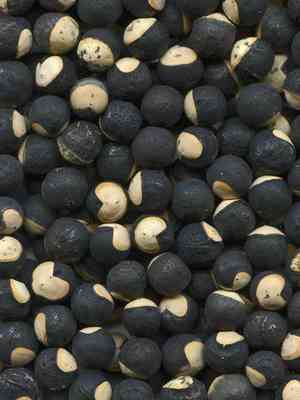
Lesser Balloon Vine (Cardiospermum halicacabum)
Also known as: Love in a Puff, Heart Pea, Winter Cherry
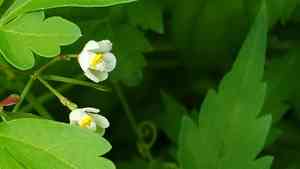
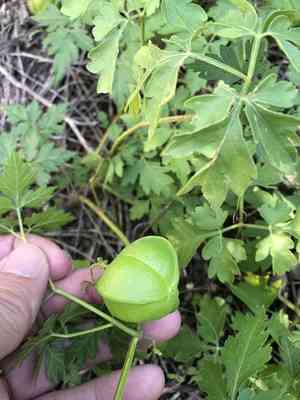
The Lesser Balloon Vine (Cardiospermum halicacabum) is typically found in tropical and subtropical regions, particularly along disturbed areas such as roadsides, pastures, and woodland edges. This deciduous vine blooms in the summer, producing small white flowers followed by distinctive, balloon-like seed capsules. These capsules eventually release black seeds, which are spread by wind and water.
Attributes of Lesser Balloon Vine
Images of Lesser Balloon Vine
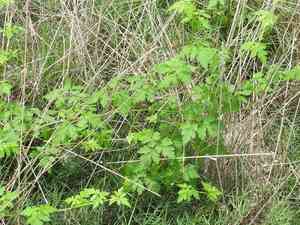
Quickly Identify Lesser Balloon Vine
Scientific Classification of Lesser Balloon Vine
Planting and Growing of Lesser Balloon Vine
 How to Water Lesser Balloon Vine?
 What Are the Sunlight Requirements for Lesser Balloon Vine?
 What Is the Ideal Temperature Range for Lesser Balloon Vine?
 What Soil is Best for Lesser Balloon Vine?
 How to Fertilize Lesser Balloon Vine?
 How to Prune Lesser Balloon Vine?
 How to Propagate Lesser Balloon Vine plant?
 How to Repot Lesser Balloon Vine plant?
Toxicity of Lesser Balloon Vine
Is Lesser Balloon Vine toxic to humans?
The Lesser Balloon Vine exhibits a mild level of toxicity and has the potential to provoke allergic reactions in humans. The entire plant is regarded as toxic, with poisoning risks associated with both skin contact and ingestion. Contact with the plant can cause skin reactions due to the presence of saponins, which are known to be irritants. If consumed, the Lesser Balloon Vine may result in a variety of symptoms, including gastrointestinal discomfort such as nausea, vomiting, and diarrhea. The saponins found in the plant can disrupt normal cellular processes, resulting in these negative effects. Although the toxicity is generally mild, it is advisable for individuals to proceed with caution to prevent accidental ingestion or extended skin exposure to the Lesser Balloon Vine, as even mild toxins can have considerable impacts on sensitive individuals or when encountered in larger amounts.
Is Lesser Balloon Vine toxic to cat?
The Lesser Balloon Vine presents a low-level toxicity threat to cats, as the entire plant is considered harmful upon contact or if consumed inadvertently. Its toxic characteristics stem from the presence of saponins. Cats that come into contact with the Lesser Balloon Vine might show signs of physical distress. Since prompt action is essential, any indication of poisoning should lead to immediate veterinary assistance to alleviate the adverse effects and protect the health of the impacted cat.
Is Lesser Balloon Vine toxic to dog?
The lesser Balloon Vine, a particular plant species, is known to possess a mild toxicity level for dogs. Canine poisoning can occur through skin contact or unintentional ingestion of the plant. Every part of this plant, encompassing leaves, stems, and seeds, is hazardous, posing a threat if a dog interacts with or consumes any portion of it. Symptoms of poisoning in dogs may include vomiting, diarrhea, and dermatitis, which result from the presence of saponins in the plant. It is vital for dog owners to diligently supervise their pets and restrict their access to the lesser Balloon Vine. In the event that a dog exhibits signs of poisoning following exposure to this vine, seeking immediate veterinary assistance is critical for effective treatment and recovery.



