How to Propagate Brazilian jackbean?
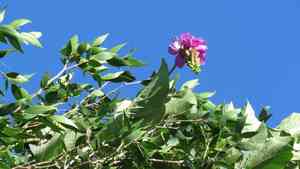
Reproducing brazilian jackbean is successfully accomplished via stem sections. Select robust, unblemished stalks that possess multiple nodes. Employ a potting blend with good drainage to encourage root formation. Provide consistent moisture to the cuttings, yet prevent saturation. Maintaining a warm, moist atmosphere will aid in the effective rooting and subsequent development of the young plants.
Optimal Period for Brazilian Jackbean Propagation
Propagation Type
Cutting
Propagation Season
Spring,Summer
Tools Utilized for Brazilian Jackbean Propagation
Pruning Shears
Pruning shears are vital for making clean cuts from brazilian jackbean. They ensure stems are not crushed or harmed, which helps prevent disease and encourages healthier cuttings.
Rooting Hormone
Rooting hormone boosts the growth of new roots on brazilian jackbean cuttings. This tool significantly improves the likelihood of successful propagation by encouraging faster root formation.
Propagation Trays
Propagation trays are perfect for arranging and supporting multiple brazilian jackbean cuttings in one manageable spot. They enable efficient watering, monitoring, and upkeep during the propagation phase.
Sterilized Potting Mix
Employing a sterilized potting mix helps lessen the risk of diseases and pests that might impede the rooting process of brazilian jackbean cuttings. It offers a clean, nutrient-balanced medium for initial development.
Humidity Dome
A humidity dome maintains a moist, warm environment around brazilian jackbean cuttings, which is crucial for minimizing water loss and fostering successful rooting.
Sharp Knife or Scalpel
A sharp knife or scalpel is used for making precise cuts when preparing brazilian jackbean cuttings. Accurate cutting tools prevent unnecessary damage to plant tissues, which can lead to infections or poor rooting success.
Heat Mat
A heat mat placed beneath the propagation tray provides consistent bottom warmth, which stimulates root growth in brazilian jackbean cuttings. This tool is especially beneficial in cooler climates or during colder months.
Spray Bottle
A spray bottle is useful for misting the cuttings and maintaining the necessary humidity level around brazilian jackbean. Proper moisture levels are essential to prevent cuttings from drying out before roots develop.
Labeling Stakes
Labeling stakes assist in tracking different cuttings, varieties, and important dates during brazilian jackbean propagation. This ensures organized and accurate monitoring of the growth process.
How to Propagate Brazilian Jackbean?
Propagation Type
Moderately Difficult
Caring for Your Newly Propagated Brazilian Jackbean
Caring for Your Newly Propagated Brazilian Jackbean?
Following successful propagation, transfer each rooted brazilian jackbean cutting into individual containers or directly into the garden. Ensure they receive bright, indirect sunlight and are watered consistently to keep the soil moist. Apply a balanced fertilizer monthly during the growing season to support vigorous growth. Regularly check for pests and diseases and take appropriate action if necessary. Prune as needed to encourage bushier growth and remove any dead or damaged foliage.
Common Errors to Avoid When Propagating Brazilian Jackbean
Improper Seed Treatment
Neglecting to scarify seeds or soak them before planting can delay germination or prevent it entirely due to the hard seed coat.
Poor Soil Conditions
Using soil that lacks good drainage or is nutrient-poor can lead to root rot or stunted development.
Incorrect Watering
Excessive or insufficient watering can result in improper root formation, increasing the chances of diseases and plant stress.
Insufficient Light
Placing the plant in an area with inadequate sunlight can impede its growth and reduce its ability to thrive.
Incorrect Spacing
Planting seeds too close together can lead to competition for resources and a higher risk of fungal infections.
Advice for Propagating Brazilian Jackbean
Seed Treatment
Scarify the seeds by nicking them with a file or soaking them in water for 12-24 hours to promote quicker germination.
Soil Selection
Use well-draining soil rich in organic matter to ensure healthy root development.
Watering Practices
Water the plant moderately, allowing the soil to dry out slightly between waterings to prevent root rot.
Light Requirements
Ensure the plant receives plenty of sunlight by placing it in a bright, sunny location to support healthy growth.
Proper Spacing
Sow seeds with adequate spacing to allow for air circulation and reduce competition for nutrients and water.



