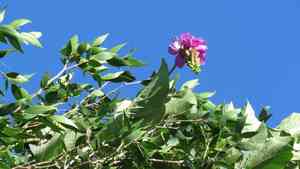
Brazilian jackbean (Canavalia brasiliensis)
Also known as: Jack Bean, Brazilian Jack Bean
The Brazilian jackbean (Canavalia brasiliensis) is a hardy perennial plant characterized by its extensive, sturdy vines and large, trifoliate leaves. It stands out with its attractive purple to blue flowers, which make it a noticeable part of the tropical and subtropical flora. The plant produces sizable seed pods that contain beans, which attract animals and facilitate seed dispersal. It is highly adaptable, flourishing in varied environments such as disturbed soils and sandy coastal areas. This adaptability and its robust growth make the Brazilian jackbean a strong survivor in diverse habitats.
In This Article
Attributes of Brazilian jackbean
Lifespan
Perennial
Plant Type
Vine, Herb
Plant Height
1 to 3 meters
Spread
N/A
Leaf Color
Green
Flower Size
2 to 3 centimeters
Flower Color
Purple
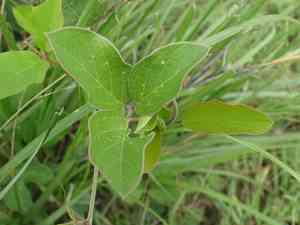
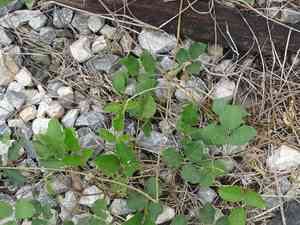
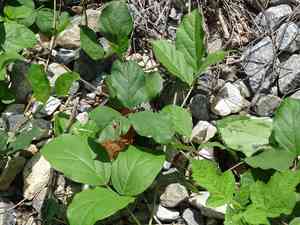
Images of Brazilian jackbean
Quickly Identify Brazilian jackbean
1
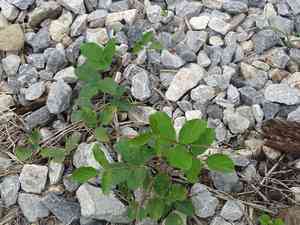
Canavalia brasiliensis can be identified by its distinctive trifoliate leaves and purple flowers. The seeds are large and mottled, and the pods are thick and somewhat curved.
Scientific Classification of Brazilian jackbean
Phylum
Vascular plants
Class
Dicotyledons
Order
Fabales
Family
Legume
Genus
Jackbeans
Species
Brazilian jackbean
Planting and Growing of Brazilian jackbean
Care Difficulty
Easy
Watering Schedule
Every 3 days
Sunlight Requirements
Full sun
Sunshine Duration
6-10 hours
Ideal Temperature
70-85℉
Soil Type
Potting Mix, Peat Mix
Soil pH
6.5-7.5
Fertilizer Type
Balanced
Pruning Season
Spring, Summer
Pruning Area
Branches, Leaves
Pruning Frequency
2 times a year
Repotting Season
Spring
Pot Type
Plastic, Ceramic
 How to Water Brazilian jackbean?
The watering amount for Canavalia brasiliensis should be around 500 ml per session. This quantity ensures the soil is adequately moist without being waterlogged. The goal is to maintain soil moisture similar to a squeezed-out sponge—damp but not dripping.
What are the symptoms of an underwatered Brazilian jackbean?
›
What should I do if my Brazilian jackbean is not getting enough water?
›
What are the symptoms of an overwatered Brazilian jackbean?
›
How to save an overwatered Brazilian jackbean?
›
 What Are the Sunlight Requirements for Brazilian jackbean?
Partial to full sun exposure is best, ideally 6-8 hours daily. This range allows Canavalia brasiliensis to harness enough sunlight to facilitate maximum photosynthesis, enhancing its growth, foliage vibrancy, and overall health.
Ideal Location for Optimal Sunlight
›
Solutions for Providing Ideal Light
›
Benefits of Ideal Light Exposure
›
 What Is the Ideal Temperature Range for Brazilian jackbean?
What is the ideal temperature range for Canavalia brasiliensis cultivation? The ideal temperature range for Canavalia brasiliensis, commonly known as Brazilian Jack Bean, is between 70°F and 85°F. Within this range, the plant can grow vigorously, as it offers optimal conditions for photosynthesis, respiration, and other metabolic processes. Ensuring that your plants are kept within this range will lead to healthier growth and higher yields.
 What Soil is Best for Brazilian jackbean?
Canavalia brasiliensis thrives in well-draining soil, which allows excess water to drain away quickly. This prevents root rot and provides an oxygen-rich environment necessary for robust root development. The plant prefers soils rich in organic matter and essential nutrients. This supports healthy growth and high yield by supplying the plant with necessary macro and micronutrients. A moderately moist soil is ideal for Canavalia brasiliensis as it provides consistent hydration while avoiding waterlogged conditions, which are detrimental to root health.
 How to Fertilize Brazilian jackbean?
For Canavalia brasiliensis, a balanced approach to fertilizing is key. Use approximately 1 teaspoon of liquid fertilizer diluted in a gallon of water every two weeks. For slow-release fertilizers, apply a small handful around the base of the plant in early spring and fall to ensure sustained nutrient availability.
 How to Prune Brazilian jackbean?
Start by removing any dead, diseased, or damaged branches. These can be identified by their discoloration or brittleness. Cutting these parts back to a healthy branch or the main stem encourages new growth. Next, focus on shaping the plant for an aesthetically pleasing form. Trim back overgrown areas to maintain the desired height and width, which will help direct energy into more productive branches and enhance flowering. Use appropriate tools like pruning shears or loppers, depending on the branch thickness. Timing is crucial; prune at the beginning of the growing season to take advantage of the new growth period, which allows the plant to recover swiftly.
More About Pruning Techniques→
 How to Propagate Brazilian jackbean plant?
1
Collect seeds from mature Canavalia brasiliensis pods that are dry and brown. Make sure the seeds are fully developed and free from any signs of disease or pest infestation.
2
Prepare a seedbed by filling seed trays with a well-draining potting mix enriched with organic matter. Ensure the soil is lightly moistened before planting the seeds.
3
Plant the seeds about 1 inch deep in the prepared seedbed. Space them adequately to allow air circulation. Gently water the seeds to settle the soil around them.
 How to Repot Brazilian jackbean plant?
1
Repot Canavalia brasiliensis when you notice its roots circling the pot or emerging from drainage holes, indicating it's root-bound. Another sign is when water sits on the surface too long, meaning the soil isn't draining properly. Ideally, repot in spring or summer during active growth phases.
2
Select a pot that's 1-2 inches larger in diameter than the current one. This prevents excessive soil volume, which can lead to water retention issues. Ensure it has adequate drainage holes to encourage healthy root growth and prevent waterlogging.
3
Opt for a well-draining potting mix, rich in organic matter for nutrient retention. Such soil ensures proper aeration, preventing root rot, and supports robust plant development, allowing the roots to breathe and access nutrients efficiently.
Toxicity
ingestion
WARNING
The judgment on toxicity and danger is for reference only. We DO NOT GUARANTEE any accuracy of such judgment. Therefore, you SHALL NOT rely on such judgment. It is IMPORTANT TO SEEK PROFESSIONAL ADVICE in advance when necessary.



