How to Propagate Doubting mariposa lily?
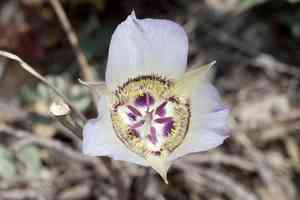
The doubting mariposa lily presents as an impressive botanical specimen, featuring fragile, campanulate blossoms indigenous to arid environments. Achieve successful propagation of doubting mariposa lily by dividing its tubers. Gently excavate the tubers, taking care to disturb the root system as little as possible. Place them in sandy, well-draining substrate and provide a moderate watering regimen. Shield the plant from excessive dampness to avert decay. Ensure ample direct sunlight and regulate temperatures to emulate its native surroundings.
What Is the Best Time To Propagate Doubting Mariposa Lily?
Propagation Type
UtilizeTubers
Propagation Season
Spring
What Tools Are Used in Doubting Mariposa Lily Propagation?
Tuber Knife
A specialized knife with a sharp, sterile blade, crucial for making clean cuts on tubers. This prevents damage to doubting mariposa lily tubers, reducing infection risk and encouraging healthy shoots.
Sterile Potting Mix
A blend formulated for optimal drainage and nutrients, vital for tuber propagation of doubting mariposa lily. This supports proper root development and minimizes fungal disease risk.
Rooting Hormone
A powder or gel that stimulates root development when applied to cut tuber sections. This is especially beneficial for doubting mariposa lily, accelerating rooting and increasing propagation success.
Propagation Trays
Shallow containers that allow tubers to spread without overcrowding. This is important for doubting mariposa lily to ensure each tuber has ample space to grow without resource competition.
Heating Mat
A mat providing consistent bottom heat to encourage root growth in doubting mariposa lily tubers. Maintaining a steady temperature is essential for successful propagation of this plant species.
Moisture Meter
A device to check soil moisture levels, ensuring doubting mariposa lily tubers are kept at ideal moisture. Over or under-watering can impede tuber development.
Humidity Dome
A clear cover that maintains high humidity around tubers, promoting faster and stronger growth of doubting mariposa lily. Consistent humidity is crucial to prevent tubers from drying out during propagation.
Labeling Stakes
Markers used to identify different tubers or sections, essential for doubting mariposa lily to help monitor the development and health of each propagated piece.
How to Propagate Doubting Mariposa Lily?
Propagation Type
Simple
How to Care for Your Newly Propagated Doubting Mariposa Lily?
How to Care for Your Newly Propagated Doubting Mariposa Lily?
Post-propagation, continue monitoring soil moisture to prevent tubers from drying out or becoming waterlogged. Regularly inspect for disease or pest infestations and address them promptly. Fertilize monthly with a balanced, diluted solution to support healthy growth. Ensure adequate sunlight and protect plants from extreme weather, such as frost or excessive heat, by relocating them as needed.
Common Mistakes to Avoid When Propagating Doubting Mariposa Lily
Overwatering
Excessive moisture can cause root rot, as doubting mariposa lily prefers well-drained soil. Overwatered bulbs may also fail to sprout.
Incorrect Soil Mix
Using dense, poorly draining soil can suffocate roots and bulbs, leading to stunted growth or rot.
Planting Depth
Planting bulbs too deep or too shallow can impact sprouting. Improper depth can expose bulbs to extreme temperatures or hinder their emergence.
Lack of Cold Stratification
Failing to provide cold stratification can disrupt germination, as doubting mariposa lily often requires a cold period to stimulate growth.
Poor Pest Management
Ignoring pests like rodents or insects can result in damaged bulbs and inhibited growth.
Tips For Propagating Doubting Mariposa Lily
Proper Watering
Water sparingly, allowing the soil to dry between waterings. Ensure the soil is moist but not saturated.
Appropriate Soil Mix
Utilize a well-draining soil blend, such as a sandy or gritty mix, to prevent waterlogging and root rot.
Correct Planting Depth
Plant bulbs approximately 2-3 inches deep to shield them from temperature extremes and ensure effective sprouting.
Cold Stratification
Mimic winter conditions by refrigerating bulbs for several weeks if natural cold stratification is unavailable.
Pest Management
Implement measures to safeguard bulbs from rodents and insects, such as physical barriers or deterrents, to ensure healthy growth.



