How to Propagate Earth-nut?
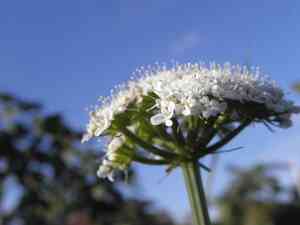
Earth-nut is most effectively reproduced by seeding. For optimal development, choose a rich, well-draining soil mixture. Plant the seeds superficially, as deep placement could hinder sprouting. Keep the soil uniformly damp, but prevent saturation, which can cause decay. A bright spot is favored, as it assists in robust root formation. Careful handling of young plants is essential to prevent harm to their delicate roots during relocation.
When Is the Optimal Time to Propagate Earth-nut?
Propagation Type
Seeding
Propagation Season
Spring
What Equipment Is Used for Earth-nut Propagation?
Seed trays
Seed trays are vital for initiating earth-nut's seeds indoors. They allow for regulated soil conditions and simpler management of moisture and temperature, which are essential for earth-nut's germination. Trays with individual cells aid in handling delicate seedlings without root disturbance during transplanting.
Fine sieve or sifter
This implement creates a fine, consistent substrate texture, perfect for sowing earth-nut's tiny seeds. Uniformly textured soil ensures better seed-to-soil contact, promoting enhanced water retention and root zone aeration, leading to higher germination rates.
Misting bottle
A misting bottle is crucial for gently hydrating newly sown earth-nut seeds, providing moisture without disturbing the soil or dislodging the seeds. Consistent moisture during germination is beneficial for increasing the likelihood of successful seed sprouting.
Grow lights
Grow lights are advantageous when starting earth-nut seeds indoors or in less-than-ideal natural light. They provide sufficient illumination, which is critical for seedling development post-germination. Proper lighting prevents etiolation and encourages stronger, healthier plants.
Labeling materials
Labels assist in monitoring the progress and variety of earth-nut during propagation. Accurate labeling prevents confusion and ensures that appropriate care, specific to the growth stage or cultivar, can be given, which is vital for studying and documenting growing conditions and outcomes.
Trowel
Once earth-nut seedlings are ready for their permanent locations, a trowel is used for gentle transplantation. It helps in digging appropriately sized holes with minimal disturbance to the surrounding soil or harm to the plant's roots.
How to Propagate Earth-nut?
Propagation Type
Simple
How to Nurture Your Newly Propagated Earth-nut?
How to Nurture Your Newly Propagated Earth-nut?
Following successful propagation of earth-nut, continue plant care by maintaining moist soil and providing partial to full sunlight. Regular weeding is essential to prevent nutrient competition. Monitor for common pests and diseases, addressing them promptly with suitable organic or chemical treatments. During the growing season, supplement with a balanced fertilizer to support vigorous growth. Harvesting typically occurs when tubers are fully developed, but consult specific guidelines for optimal harvest times.
Common Errors to Avoid When Propagating Earth-nut
Overwatering
Supplying earth-nut with too much water can cause root rot, severely impairing its nutrient absorption and potentially destroying the plant.
Ignoring soil composition
Using an unsuitable soil mix for earth-nut, which prefers well-drained soil, can lead to poor growth conditions and hinder sprouting. Heavy or clay-rich soils can retain excessive moisture, increasing the risk of fungal infections.
Planting depth errors
Planting earth-nut's bulbs too deep or too shallow can impact their ability to sprout. Too deep may prevent the bulb from reaching the surface, while too shallow might expose it to damaging environmental elements.
Neglecting bulb inspection
Failing to examine bulbs before planting can result in propagating diseased or damaged bulbs, reducing the chances of successful growth for earth-nut.
Advice For Propagating Earth-nut
Appropriate watering
Ensure earth-nut receives sufficient water to keep the soil damp but not saturated. Proper water management is crucial for healthy bulb development.
Soil choice and preparation
Utilize a light, well-draining soil mix to encourage robust root growth and aeration. Incorporating organic matter or sand can enhance soil structure and drainage.
Correct planting depth
Plant earth-nut's bulbs at a depth roughly three times their diameter. This placement supports optimal growth and protection from surface-level environmental stressors.
Healthy bulb selection
Always select firm and healthy-looking bulbs for propagation. Avoid any bulbs showing signs of mold, soft spots, or other damage, as these are less likely to develop into healthy earth-nut plants.



