How to Propagate Sandy field hairsedge?
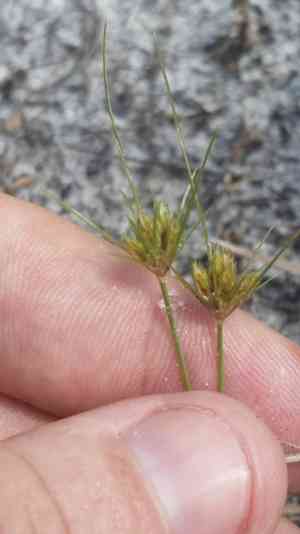
Carex arenaria, a species within the Cyperaceae family, flourishes in sandy substrates. Its reproduction commonly occurs through separation. It is crucial to carefully divide the specimen into segments possessing adequate root systems, guaranteeing each part can develop autonomously. Supplying a substrate that drains effectively and applying moderate irrigation can improve the likelihood of successful establishment. This plant's capacity to adapt to sandy habitats contributes to its hardiness and straightforward propagation.
What Is the Best Time To Propagate Sandy Field Hairsedge?
Propagation Type
Splitting
Propagation Season
Spring,Autumn
What Tools Are Used in Sandy Field Hairsedge Propagation?
Sharp Knife or Garden Spade
These are crucial for separating the clumps of sandy field hairsedge. Utilize the sharp knife or spade to carefully divide the root masses without causing excessive harm to the roots. This helps ensure each divided section has sufficient roots to establish itself in a new spot.
Rooting Hormone
Applying rooting hormone to the severed ends of the divided sections can stimulate root development and boost the chances of successful propagation. This is particularly advantageous for sandy field hairsedge, which may possess delicate root systems.
Watering Can or Hose with Fine Spray
After planting the divided sections, keep the soil moist but not saturated. A watering can or hose with a fine spray nozzle prevents soil displacement around the newly planted sections and avoids damaging tender roots.
Shovel or Trowel
These implements are necessary for excavating the original clump of sandy field hairsedge and for planting the divided sections into their new locations. A trowel is especially useful for more precise digging and planting in smaller areas.
Protective Gloves
Wearing protective gloves while handling sandy field hairsedge and using tools offers personal safety and comfort, reducing the risk of injury from sharp implements or rough plant material.
Plant Markers
Labeling the newly divided sections with plant markers assists in tracking their placement, particularly in garden beds with numerous different plants. This aids in monitoring their growth and vitality.
Mulch
Applying a layer of mulch around the newly propagated sections can help retain soil moisture, suppress weeds, and shield the roots from temperature extremes. This is vital for maintaining a stable environment for sandy field hairsedge.
Pruning Shears
Pruning shears may be utilized to trim any damaged leaves or stems during the division process. Keeping the plant material neat reduces stress on sandy field hairsedge and encourages healthier growth.
How to Propagate Sandy Field Hairsedge?
Propagation Type
Simple
How to Care for Your Newly Propagated Sandy Field Hairsedge?
How to Care for Your Newly Propagated Sandy Field Hairsedge?
Post-propagation, ensure sandy field hairsedge receives consistent moisture without saturating the soil, as it thrives in well-draining conditions. Position the plant in an area with full sun to partial shade. Regularly check for pests and diseases, and trim any damaged or dead foliage to maintain plant health. Mulching around the base can help retain soil moisture and suppress weeds.
Common Mistakes to Avoid When Propagating Sandy Field Hairsedge
Overwatering
Excessive watering can lead to root rot and other fungal ailments which are detrimental to sandy field hairsedge's well-being.
Using Poor Soil Quality
Employing soil that drains poorly or lacks essential nutrients can hinder root development and overall growth.
Incorrect Light Levels
Insufficient or excessive sunlight can stunt growth or scorch the plant, respectively.
Neglecting Pest Control
Ignoring pest infestations can result in damaged leaves and stems, impeding sandy field hairsedge's growth and reproduction.
Improper Spacing
Planting too close together can lead to overcrowding, which impedes proper air circulation and increases the risk of disease.
Tips For Propagating Sandy Field Hairsedge
Use Well-Draining Soil
Ensure the soil mixture is light and sandy to promote good drainage and prevent waterlogging.
Moderate Watering
Water sparingly and allow the soil to dry out between waterings to prevent root rot.
Optimal Sunlight
Place sandy field hairsedge in an area with sufficient sunlight, ensuring it receives ample but not excessive light.
Pest Monitoring
Regularly inspect for pests and treat any infestations promptly to protect the plant.
Proper Spacing
Provide enough space between plants to allow for sufficient air circulation and healthy growth.



