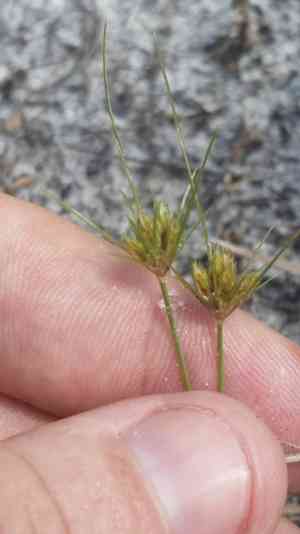
Sandy field hairsedge (Bulbostylis stenophylla)
Also known as: Narrow-leaved Bulbostylis, Slender Bulbostylis
A plant known for its slender, wiry leaves that form tight clumps and thrives in sandy or rocky soils is the sandy field hairsedge. This resilient, grass-like plant is well-adapted to open, well-drained habitats, with tough foliage suited to nutrient-poor environments. Its compact growth habit allows it to flourish where competition from other plants is minimal.
In This Article
Attributes of Sandy field hairsedge
Lifespan
Perennial
Plant Type
Grass
Plant Height
10-30 cm
Spread
Not applicable as it grows in tufts
Leaf Color
Green
Flower Size
Approximately 1-2 mm
Flower Color
Brown
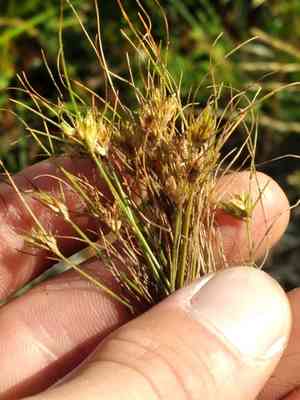
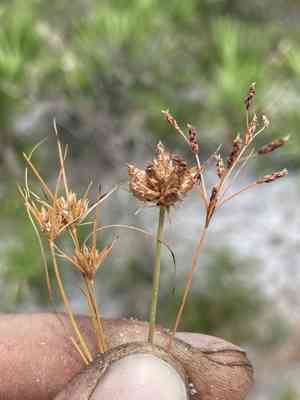
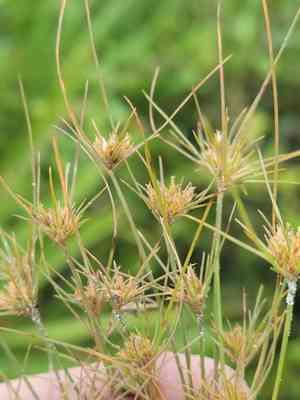
Images of Sandy field hairsedge
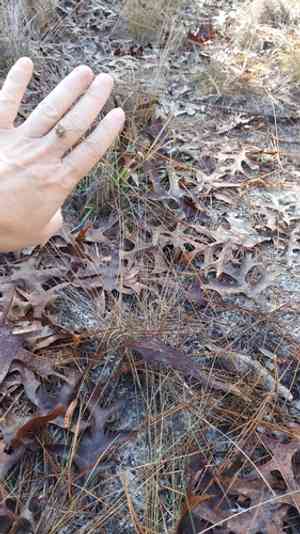
Quickly Identify Sandy field hairsedge
1
Look for narrow, tufted leaves and slender, wiry stems growing in clumps. The inflorescence is typically a small, dense cluster of spikelets.
Scientific Classification of Sandy field hairsedge
Phylum
Vascular plants
Class
Monocotyledons
Order
Poales
Family
Sedge
Genus
Bulbostylis
Species
Sandy field hairsedge
Planting and Growing of Sandy field hairsedge
Care Difficulty
Moderate
Watering Schedule
Every 2 days
Sunlight Requirements
Full sun
Sunshine Duration
6-10 hours
Ideal Temperature
68-77℉
Soil Type
Potting Mix, Peat Mix
Soil pH
6.5-7.5
Fertilizer Type
Balanced
Pruning Season
Spring, Summer
Pruning Area
Branches, Leaves
Pruning Frequency
2 times a year
Repotting Season
Spring
Pot Type
Plastic, Ceramic
 How to Water Sandy field hairsedge?
For Bulbostylis stenophylla, water around 150 ml each time. The soil should be moist but not waterlogged, mimicking its natural habitat. Ensure that the water reaches the root zone without pooling excessively.
What are the symptoms of an underwatered Sandy field hairsedge?
›
What should I do if my Sandy field hairsedge is not getting enough water?
›
What are the symptoms of an overwatered Sandy field hairsedge?
›
How to save an overwatered Sandy field hairsedge?
›
 What Are the Sunlight Requirements for Sandy field hairsedge?
Bulbostylis stenophylla prospers in full sun. Adequate sunlight leads to healthy physiological processes like photosynthesis, resulting in lush growth and vibrant green leaves, underscoring its vitality and visual appeal.
What is the ideal lighting condition?
›
How can I achieve the ideal lighting condition?
›
What benefits does ideal lighting provide?
›
 What Is the Ideal Temperature Range for Sandy field hairsedge?
Bulbostylis stenophylla thrives best at an ideal temperature range of 68°F to 77°F. This range provides the optimal growth conditions, allowing for proper photosynthesis and metabolic activities. Ensuring that your plant experiences these conditions maximizes its health and vigor.
 What Soil is Best for Sandy field hairsedge?
Bulbostylis stenophylla thrives best in soils that are rich in nutrients. This ensures that the plant receives adequate nourishment, promoting robust growth and vibrant foliage. The plant requires soil that drains exceptionally well to prevent root rot. Sandy and loam soils provide excellent drainage, allowing excess water to escape quickly. Soils of moderate fertility are ideal as they ensure the plant gets enough nutrients without risking overfeeding, which could lead to rapid, weak growth.
 How to Fertilize Sandy field hairsedge?
For Bulbostylis stenophylla, a moderate quantity of fertilizer is ideal. As a grass-like plant, over-fertilizing can lead to excessive growth, potentially weakening its structure. Aim for about one teaspoon of liquid fertilizer diluted in one gallon of water, applied monthly. For slow-release options, integrate about one to two tablespoons lightly into the soil yearly, ensuring even distribution for balanced nutrient absorption.
 How to Prune Sandy field hairsedge?
Begin by removing any dead or damaged leaves from the Bulbostylis stenophylla. 2. Trim back any overly leggy stems to encourage bushier growth. 3. Always cut at a 45-degree angle to allow water runoff, reducing the likelihood of rot. 4. Regularly check and prune monthly to maintain its health and appearance. Focus on areas that seem overcrowded to improve air circulation and sunlight penetration.
More About Pruning Techniques→
 How to Propagate Sandy field hairsedge plant?
1
Choose well-draining soil and fill seed trays. Scatter seeds evenly and cover with a thin layer of soil. Water lightly to settle the soil and place trays in a warm, sunny spot.
2
Dig up the mature plant carefully with a spade. Gently separate the root clumps into smaller sections and ensure each section has roots attached before replanting in desired location.
3
Once seedlings have two true leaves, they are ready to transplant. Choose a suitable location in the garden with similar soil and light conditions, and plant the seedlings at the same depth they were growing in the tray.
 How to Repot Sandy field hairsedge plant?
1
Bulbostylis stenophylla indicates it's time for repotting when its roots outgrow the pot, poking through drainage holes or crowding the soil surface. Additionally, when water starts pooling on the surface instead of quickly draining, it signals the soil is compacted.
2
Choose a pot that is one size larger than the current one, with ample drainage holes. This helps prevent waterlogging, and supports healthy root development. A clay or terracotta pot can improve breathability, further aiding drainage.
3
Select a sandy and well-draining soil mix. This is crucial to prevent water retention, which can cause root rot. A light soil allows for swift water movement, ensuring roots remain healthy while providing the necessary support.
Learn More About Sandy field hairsedge Diseases
Anthracnose
Bacterial Leaf Spot
Bacterial Soft Rot
Damping-off
Downy Mildew
Drought Stress
Fusarium Wilt
Gray Mold
Leaf Spot
Mosaic
Nutrient Deficiency
Nutrient Toxicity
Powdery Mildew
Root Rot
Root-knot Nematode
Rusts
Sooty Mold
Spider Mites
Temperature Stress
Thrips Damage
White Mold
Chemical Injury



