How to Propagate Tall grama?
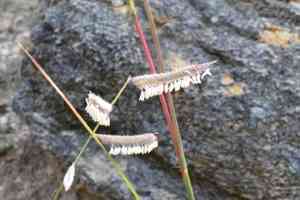
A method for multiplying tall grama involves separation. Gently divide the clusters, making sure every segment possesses roots, and immediately replant them. This technique contributes to the plant's well-being and robustness. Sufficient irrigation following planting is essential for the successful establishment of the new sections.
Optimal Period for Tall Grama Propagation
Propagation Method
Division
Propagation Season
Spring,Autumn
Tools Utilized in Tall Grama Propagation
Garden Fork
Employed to gently lift and separate tall grama clumps from the earth without harming roots. Its tines facilitate loosening soil around the plant, simplifying division and minimizing stress to the root system.
Sharp Knife or Hori Hori
Crucial for dividing tall grama into smaller portions. A sharp knife ensures clean cuts, reducing infection risk and promoting faster healing. A Hori Hori also serves various gardening needs, including weeding and planting.
Rooting Hormone Powder
Though not always essential, applying rooting hormone can aid in stimulating root growth in divided tall grama sections, especially if the propagator aims for quicker and more robust root development.
Watering Can with Fine Rose
Vital for gentle and uniform watering post-division. Over-watering can harm newly divided tall grama sections, so a watering can with a fine rose helps provide the correct moisture without causing waterlogging.
Pruning Shears
Useful for trimming any damaged or dead foliage before replanting tall grama. This helps the plant direct its energy towards establishing new roots and healthy growth.
Shovel or Spade
Required for digging planting holes for the divided tall grama sections. Ensure the new holes are deep and wide enough to accommodate the root system without crowding.
Compost or Organic Matter
Incorporate into the soil to enhance nutrient content and drainage, creating an ideal environment for tall grama's new divisions to flourish. Proper soil preparation is key to successful propagation.
Method for Propagating Tall Grama
Propagation Type
Easy
Post-Propagation Care for Your Tall Grama
Post-Propagation Care for Your Tall Grama
Following propagation, monitor the newly planted tall grama divisions, ensuring they receive adequate water, particularly during dry spells. Mulch around the base to retain soil moisture and suppress weeds. Observe plants for any signs of stress or disease and address them promptly. As tall grama matures, it will gradually require less frequent watering. Regularly remove any dead or damaged foliage to maintain plant health and appearance.
Common Errors to Avoid When Propagating Tall Grama
Overwatering
Excessive watering can lead to root rot and other fungal infections, significantly impeding successful propagation.
Incorrect Soil Type
Utilizing soil that is too rich or lacks proper drainage can hinder root growth and ultimately kill the plant.
Improper Sunlight
Providing too much or too little sunlight can negatively impact tall grama's growth and development, as the plant requires a balanced amount of light.
Neglecting Soil Preparation
Failing to adequately prepare the soil can result in poor root establishment and plant development.
Ignoring Spacing Requirements
Planting tall grama too closely can cause overcrowding, limiting air circulation and increasing disease risk.
Advice for Propagating Tall Grama
Maintain Proper Watering
Ensure the soil remains consistently moist but not waterlogged to prevent root rot and encourage healthy growth.
Use Well-Draining Soil
Select a sandy or well-draining soil mix to promote proper root development and avoid water-related issues.
Ensure Adequate Sunlight
Position tall grama in an area where it can receive ample sunlight, but also provide some shade to prevent excessive drying and stress.
Prepare Soil Correctly
Amend the soil with organic matter to ensure good drainage and nutrient availability, giving tall grama a strong start.
Observe Appropriate Spacing
Space the plants adequately to allow for good air circulation and optimal growth, reducing competition and the risk of disease.



