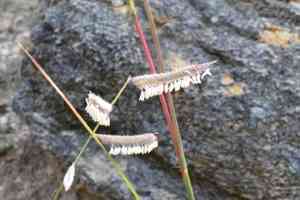
Tall grama (Bouteloua pectinata)
Also known as: Grama-grass, Comb Grama
Tall grama (Bouteloua pectinata) is a robust grass characterized by its unique comb-like flower spikes. This native prairie species is well-adapted to arid environments through several key traits. Its deep root system allows it to access moisture far below the soil surface, while its dense clumps of foliage are designed to minimize water loss and endure prolonged dry periods. These adaptations make tall grama a quintessential plant of dry, sun-drenched regions.
In This Article
Attributes of Tall grama
Lifespan
Perennial
Plant Type
Grass
Plant Height
10 to 30 cm
Spread
10 to 15 cm
Leaf Color
Green
Flower Size
1 to 2 cm
Flower Color
Green to purplish
Images of Tall grama
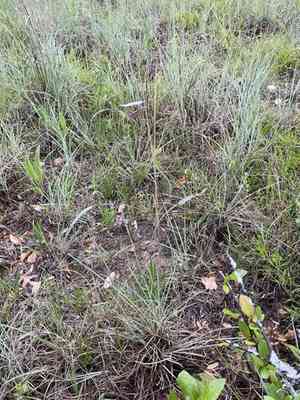
Quickly Identify Tall grama
1
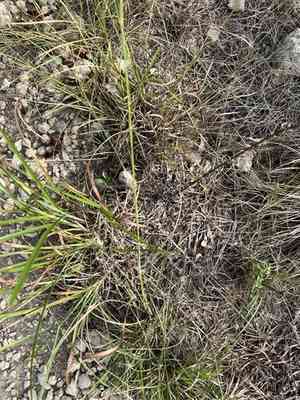
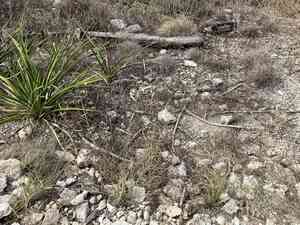
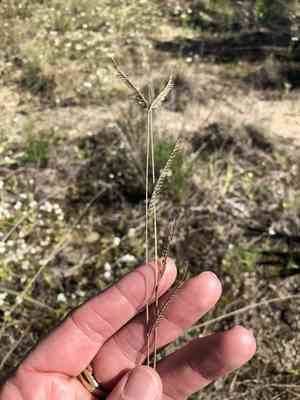
Identify Comb Grama by its comb-shaped seed heads and fine, narrow leaves. The plant generally forms low, dense tufts.
Scientific Classification of Tall grama
Phylum
Vascular plants
Class
Monocotyledons
Order
Poales
Family
Grass
Genus
Grama grasses
Species
Tall grama
Planting and Growing of Tall grama
Care Difficulty
Easy
Watering Schedule
Every 2 days
Sunlight Requirements
Full sun
Sunshine Duration
4-8 hours
Ideal Temperature
68-86℉
Soil Type
Potting Mix, Peat Mix
Soil pH
6.5-7.5
Fertilizer Type
Balanced
Pruning Season
Spring, Summer
Pruning Area
Branches, Leaves
Pruning Frequency
2 times a year
Repotting Season
Spring
Pot Type
Plastic, Ceramic
 How to Water Tall grama?
When watering Bouteloua pectinata, aim to provide around 250 ml of water per session. Ensure the soil is moistened but not waterlogged. Allow the top inch of soil to dry out completely before the next watering session to avoid root rot and other moisture-related issues.
What are the symptoms of an underwatered Tall grama?
›
What should I do if my Tall grama is not getting enough water?
›
What are the symptoms of an overwatered Tall grama?
›
How to save an overwatered Tall grama?
›
 What Are the Sunlight Requirements for Tall grama?
Bouteloua pectinata benefits from full sunlight exposure for 6 to 8 hours daily, enhancing its metabolic activities and promoting overall plant health.
What is the best light condition for Bouteloua pectinata?
›
How can I ensure my Bouteloua pectinata gets ideal sunlight?
›
What are the benefits of ideal sunlight exposure for Bouteloua pectinata?
›
 What Is the Ideal Temperature Range for Tall grama?
Bouteloua pectinata thrives in temperatures between 68°F to 86°F. These conditions support optimal growth, allowing for healthy foliage and vibrant coloring. Ensuring these temperatures during the growing season aids in maximizing the plant's potential.
 What Soil is Best for Tall grama?
Bouteloua pectinata flourishes in well-drained soil where water doesn't stagnate. This trait prevents root rot and ensures healthy root development, promoting lush growth. The plant thrives in soils with moderate fertility, meaning that it doesn't require overly nutrient-rich conditions to grow robustly, making it an eco-friendly choice for low-maintenance gardeners. This grass prefers soils situated in full sunlight, as sufficient exposure encourages stronger stem structure and more vibrant inflorescences.
 How to Fertilize Tall grama?
The amount of fertilizer required for Bouteloua pectinata is typically moderate. It usually thrives with a balanced NPK ratio such as 10-10-10. For liquid fertilizers, a dilution ratio of a quarter of the recommended dose is advisable to prevent over-fertilization. Solid fertilizers can be used sparingly; a light application of around 1 pound per 1000 square feet is often sufficient.
 How to Prune Tall grama?
Begin by removing any dead or diseased stems at the base to ensure the rest of the plant remains healthy. Cutting back to the base prevents the spread of any potential infections. Trim the edges and tips to create a pleasing shape. This will not only enhance its appearance but also help it to maintain an even distribution of resources to all parts of the plant. Prune back some older stems to stimulate the growth of new, more vigorous shoots. This encourages dense foliage and keeps the plant looking fresh and vibrant.
More About Pruning Techniques→
 How to Propagate Tall grama plant?
1
Collect seeds from mature Bouteloua pectinata plants in late summer. Ensure seeds are completely dry before storing or planting to avoid mold and decay.
2
Sow seeds evenly on the surface of pre-moistened soil. Lightly cover with a thin layer of soil to protect seeds while allowing them to receive sufficient light.
3
Water the seeds gently to keep the soil consistently moist but not waterlogged. Maintain a warm environment to promote germination, which generally occurs within two weeks.
 How to Repot Tall grama plant?
1
You should consider repotting Bouteloua pectinata when you notice that the roots are circling the bottom of the pot or the soil seems compacted and depleted of nutrients. These are key signs that the plant has outgrown its current pot and needs more room to thrive. Repotting during spring or summer is ideal as it coincides with the plant's active growing season, allowing it to recover quickly.
2
When selecting a new pot for Bouteloua pectinata, opt for one that is only slightly larger than the current pot, allowing 1-2 inches of space around the roots. A pot with drainage holes is essential to prevent waterlogging, which can lead to root rot. The material of the pot can be terracotta or plastic, but ensure it has good drainage to maintain the health of the roots.
3
Choosing the right soil is crucial for Bouteloua pectinata's health. A well-draining sandy soil mix is ideal, as it mimics the plant's natural environment. This type of soil allows excess water to drain easily, preventing potential root rot and promoting strong root development. Incorporating some organic matter will also provide essential nutrients for growth.
Learn More About Tall grama Diseases
Anthracnose
Bacterial Leaf Spot
Bacterial Wilt
Cyst Nematode
Damping-off
Downy Mildew
Drought Stress
Fusarium Wilt
Gray Mold
Leaf Spot
Mosaic
Nutrient Deficiency
Nutrient Toxicity
Powdery Mildew
Root Rot
Root-knot Nematode
Rusts
Sooty Mold
Spider Mites
Temperature Stress
Thrips Damage
White Mold
Chemical Injury



