How to Propagate Lanceleaf grapefern?
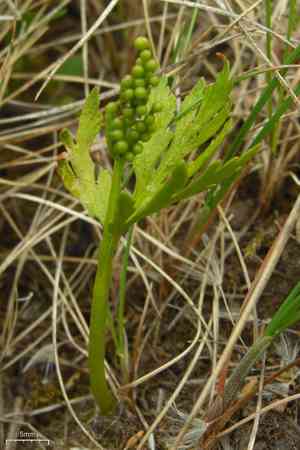
Lanceleaf grapefern, a diminutive fern variety featuring slender, intricately segmented fronds, is typically multiplied via separation. During the division process, confirm that every segment possesses a segment of the rhizome with connected root structures, and promptly re-establish it in an appropriate damp, shaded environment. Consistent irrigation and preserving soil hydration are essential for effective integration.
What Is the Best Time To Propagate Lanceleaf Grapefern?
Propagation Type
Separation
Propagation Season
Spring,Autumn
What Tools Are Used in Lanceleaf Grapefern Propagation?
Sharp Garden Knife
A keen garden blade is crucial for precisely severing the rhizomes and root structures of lanceleaf grapefern during the splitting process. It ensures clean cuts, which helps minimize infection risk and promotes faster recovery and root establishment.
Hand Trowel
A small spade is helpful for carefully excavating around the base of lanceleaf grapefern to expose the rhizomes without causing extensive harm to the plant or surrounding soil structure. Its compact size allows for detailed work in confined areas.
Rooting Hormone
Rooting stimulant can accelerate root development in the separated portions of lanceleaf grapefern, increasing their chances of successful establishment. This is particularly important for ensuring robust root growth in the initial stages post-separation.
Sterilized Pruning Shears
Sanitized pruning shears are important for trimming any damaged roots or foliage from lanceleaf grapefern after division. Keeping the shears clean prevents the spread of diseases and pests, crucial for the health of new plant sections.
Plastic Pots/Containers
Plastic containers or pots are needed to house the divided sections of lanceleaf grapefern for initial growth. They provide a controlled environment for the plants to establish roots before being moved to their permanent location.
Moisture Meter
A humidity sensor helps ensure that the soil moisture levels are ideal for lanceleaf grapefern, preventing both overwatering and underwatering. Consistent moisture levels are critical for the success of newly divided plants.
Organic Mulch
Using natural ground cover around the transplanted sections of lanceleaf grapefern helps retain soil moisture and maintain a stable temperature. Mulch also provides nutrients as it decomposes, supporting the plantâs health during the critical establishment phase.
How to Propagate Lanceleaf Grapefern?
Propagation Type
Simple
How to Care for Your Newly Propagated Lanceleaf Grapefern?
How to Care for Your Newly Propagated Lanceleaf Grapefern?
Post-propagation, maintain a shaded environment with diffused light for optimal growth. Keep the substrate consistently damp but well-drained. Mulching around the base aids in retaining soil moisture. Monitor for pests and diseases, and apply appropriate treatments if necessary. Regularly remove any dead or yellowing fronds to promote healthy growth. With proper care, lanceleaf grapefern should establish and thrive in its new location.
Common Mistakes to Avoid When Propagating Lanceleaf Grapefern
Over-watering
Excessive moisture can lead to root decay and fungal infections, which can be detrimental to lanceleaf grapefern's health and hinder its propagation.
Improper Soil Choice
Using substrate that is too dense or lacks proper drainage can suffocate the roots and impede growth.
Inadequate Light
Providing too much or too little illumination can stress lanceleaf grapefern, affecting its overall vigor and its ability to establish properly.
Incorrect Humidity Levels
Failing to maintain appropriate moisture levels can lead to desiccation or an environment conducive to pests and diseases.
Ignoring Pest Control
Not monitoring and managing pest infestations can lead to significant damage to lanceleaf grapefern, slowing down or even halting propagation.
Tips For Propagating Lanceleaf Grapefern
Use Well-draining Soil
Select a soil mix that ensures proper drainage to prevent waterlogging and root rot.
Maintain Optimal Humidity
Keep the environment adequately humid, simulating the natural habitat to encourage healthy growth.
Regulate Watering
Water moderately and only when the topsoil feels dry to the touch, avoiding both dryness and water stagnation.
Provide Indirect Light
Lanceleaf grapefern thrives in bright, indirect light; avoid direct sunlight to prevent leaf burn.
Monitor for Pests
Regularly check for signs of pests and take prompt action to mitigate infestations, ensuring healthy plant propagation.



