How to Propagate Lyall's rockcress?
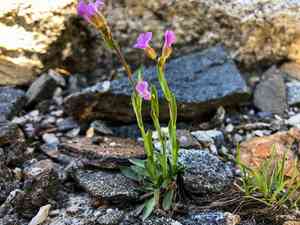
Lyall's rockcress flourishes in arid, stony substrates characteristic of high-altitude regions. For cultivation, utilize fresh seeds and replicate natural cold stratification by chilling them prior to planting. Confirm that seeds are planted in a sandy substrate offering excellent drainage. After establishment, lyall's rockcress demonstrates resilience and needs little upkeep, rendering it ideal for rockeries and comparable landscapes.
Optimal Period for Lyall's Rockcress Propagation
Propagation Method
Seeding
Propagation Period
Spring
Tools for Lyall's Rockcress Propagation
Seed Trays
Seed trays offer a controlled setting for planting lyall's rockcress seeds. They enable efficient use of space and easy observation of seedling growth.
Seed Starting Mix
A well-draining seed starting mix is crucial for the germination of lyall's rockcress seeds, ensuring proper moisture and air circulation.
Heating Mat
A heating mat helps maintain a consistent soil temperature, which is vital for lyall's rockcress seed germination, especially in cooler environments.
Humidity Dome
A humidity dome placed over the seed tray helps maintain high humidity, essential for successful germination and initial growth of lyall's rockcress seedlings.
Spray Bottle
A spray bottle is used to gently mist the soil, providing moisture without disturbing lyall's rockcress seeds or seedlings.
Label Markers
Label markers help track different seed varieties and sowing dates, ensuring lyall's rockcress seedlings are properly identified and managed.
Propagating Lyall's Rockcress Guide
Propagation Type
Simple
Post-Propagation Care for Lyall's Rockcress
Post-Propagation Care for Lyall's Rockcress
After transplanting, ensure lyall's rockcress receives sufficient water without waterlogging the soil. Place them in a spot that mimics their natural alpine habitat, with full sun to partial shade. Check for pests and diseases, providing protection if needed. Mulch around the base to retain moisture and regulate soil temperature.
Common Errors to Avoid When Propagating Lyall's Rockcress
Overwatering
Excessive water can cause root rot, which is harmful to lyall's rockcress's growth. This plant prefers well-drained soil and can suffer if kept too wet.
Improper Soil Mix
Using soil that retains too much moisture or lacks proper aeration can hinder growth and increase disease susceptibility. Lyall's rockcress thrives in well-drained, rocky, or sandy soils.
Insufficient Light
Planting lyall's rockcress in shaded areas can impede its development and reduce its characteristic blooms, as it requires full sunlight for optimal growth.
High Fertilizer Use
Excessive use of fertilizers can burn the plant’s roots and negatively alter soil conditions. Lyall's rockcress typically do not require heavy fertilization.
Advice for Propagating Lyall's Rockcress
Use Well-Draining Soil
Ensure the soil mix includes sand or gravel to improve drainage and replicate lyall's rockcress's natural rocky habitat.
Regulate Watering
Water sparingly, allowing the soil to dry out between waterings to prevent root rot and other moisture-related issues.
Ensure Full Sunlight
Position lyall's rockcress in an area where it will receive ample sunlight throughout the day to promote healthy growth and blooming.
Avoid High Fertilizer Concentrations
If fertilization is necessary, opt for a low-concentration, balanced fertilizer to avoid harming the plant and maintain optimal soil health.



