How to Propagate Short's rockcress?
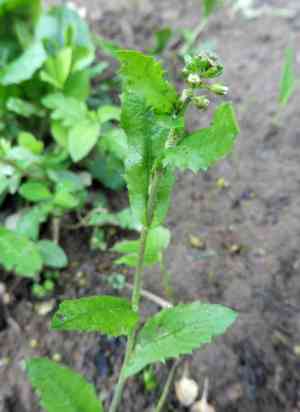
Short's rockcress flourishes when reproduced through seeding. For enhanced germination rates, it is advisable to plant the seeds in a potting blend that drains effectively. Form a shallow groove in the substrate, distribute the seeds uniformly, and lightly cover them with soil. Maintain consistent moisture in the soil, avoiding waterlogging. Confirm that the location receives soft, diffused illumination to aid initial development without stressing nascent sprouts.
Optimal Time for Short's Rockcress Propagation
Method of Propagation
Seeding
Propagation Period
Spring
Tools for Short's Rockcress Propagation
Seed trays
Seed trays are perfect for initiating short's rockcress seeds, offering ample room for initial development and simplifying environmental control around seedlings. Their use ensures consistent soil conditions, vital for short's rockcress germination. Maintaining steady moisture and temperature significantly boosts germination rates.
Fine-grained soil mix
A fine-textured soil blend is essential for short's rockcress due to its tiny seed size, facilitating better soil-seed contact for improved water absorption and nutrient uptake. This soil type also prevents seeds from being buried too deeply, which could hinder germination.
Misting spray bottle
A misting spray bottle is key for gently hydrating short's rockcress seeds without dislodging them. The fine mist ensures even moisture distribution, crucial for germination, while preventing soil erosion or seed displacement that heavier watering methods might cause.
Seedling heat mat
A seedling heat mat can enhance the germination success of short's rockcress by maintaining an ideal soil temperature. This device is especially useful in colder regions or during early spring when ambient temperatures might be too low for short's rockcress germination.
Grow lights
If natural light is inadequate, grow lights can supply the necessary light spectrum for healthy short's rockcress growth. This is particularly important post-germination, ensuring seedlings receive enough light for photosynthesis and development, thereby preventing etiolation.
Propagating Short's Rockcress
Propagation Difficulty
Simple
Post-Propagation Care for Short's Rockcress
Post-Propagation Care for Short's Rockcress
After transplanting, ensure short's rockcress receives sufficient sunlight, ideally in partial shade to full sun. Keep the soil consistently moist but well-drained, avoiding complete drying. Apply mulch around plants to retain moisture and regulate soil temperature. Regularly inspect for pests and diseases, and sparingly use organic fertilizer during the growing season to support robust growth. Closely monitor young plants, offering extra support or protection from harsh weather as needed until they are well-established.
Common Errors to Avoid When Propagating Short's Rockcress
Insufficient light exposure
Inadequate light can result in weak growth and poor root development in short's rockcress. This species requires a balanced amount of light to fuel its photosynthetic processes, which are vital for healthy propagation.
Excessive watering
This error can lead to root rot and fungal infections, which are harmful to short's rockcress's health. Short's rockcress needs well-drained soil to prevent moisture-related problems.
Using unsterilized tools
Unsterilized propagation tools can introduce diseases to short's rockcress, which can be particularly vulnerable during the propagation phase. This can impede or completely stop the successful propagation of new plants.
Advice for Propagating Short's Rockcress
Utilize a well-draining medium
Ensuring the propagation medium drains well will help prevent waterlogging, which is crucial for avoiding root diseases in short's rockcress.
Provide ample but indirect light
While short's rockcress benefits from good illumination, direct sunlight can be too harsh. Use a light diffuser or place short's rockcress where it receives indirect but sufficient light.
Regularly disinfect tools
Routine cleaning and sanitizing of propagation tools prevent the spread of pathogens to short's rockcress. This practice ensures a healthier growing environment.



