How to Propagate Smallfruit beggarticks?
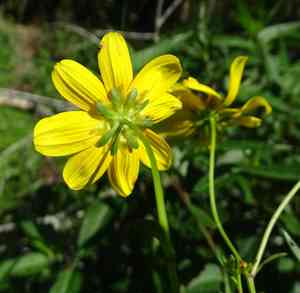
Bidens mitis, a member of the ASTERACEAE family, flourishes in damp, boggy ground and is frequently observed close to aquatic environments. To cultivate Bidens mitis, plant seeds directly into soil that drains effectively and is abundant in nutrients. Gently blanket them with a fine layer of earth to guarantee proper contact. Sustain steady hydration levels to facilitate sprouting. Perfect for the edges of ponds or wetland landscapes, this resilient flora produces bright yellow blossoms, contributing to water cleansing and fostering ecological variety.
Optimal Period for Smallfruit Beggarticks Propagation
Propagation Method
Seeding
Propagation Period
Spring
Tools Utilized in Smallfruit Beggarticks Propagation
Seed Trays
Containers for initiating seeds in a regulated setting. For smallfruit beggarticks, these trays help maintain steady moisture and offer a secure environment for germination, free from weed competition.
Fine Seed Compost
A finely textured growing medium that supports the germination of tiny seeds. It ensures smallfruit beggarticks seeds receive necessary nutrients and proper drainage for successful sprouting.
Humidity Dome
Placed over seed trays to create a moist atmosphere, vital for preventing delicate smallfruit beggarticks seedlings from drying out. Aids in maintaining ideal humidity levels during germination.
Misting Bottle
Used to keep the soil uniformly moist without disturbing the seeds. For smallfruit beggarticks, misting helps sustain the required moisture level for seed germination without over-saturating the soil.
Seed Dibber
A tool for creating small, precise holes in the compost for planting seeds. For smallfruit beggarticks, using a seed dibber ensures seeds are sown at the correct depth, crucial for successful germination.
Labels
Essential for tracking seed types and planting dates. They assist in monitoring smallfruit beggarticks' progress, preventing confusion, and ensuring proper care throughout various growth stages.
Heat Mat
Provides consistent warmth from below to encourage quicker and more uniform seed germination. For smallfruit beggarticks, a heat mat can significantly boost germination rates by maintaining optimal soil temperatures.
Grow Lights
Offer supplementary illumination to support germination and early seedling development, especially in low-light conditions. For smallfruit beggarticks, ensuring adequate light is crucial for developing strong, healthy seedlings.
Seedling Trays
Used for transplanting seedlings once their first true leaves have emerged. These trays allow smallfruit beggarticks seedlings to grow further in individual cells, minimizing root damage during subsequent transplanting.
How to Propagate Smallfruit Beggarticks?
Propagation Difficulty
Simple
How to Care for Your Newly Propagated Smallfruit Beggarticks?
How to Care for Your Newly Propagated Smallfruit Beggarticks?
Post-germination, gradually introduce seedlings to outdoor conditions by increasing their exposure to direct sunlight over 7-10 days. Transplant seedlings into the garden or larger containers once they have developed a few true leaves. Ensure they are planted in well-draining soil and receive regular watering to keep the soil consistently moist but not waterlogged. Mulching around the plants can help retain soil moisture. Monitor for pests and diseases, and remove any competing weeds.
Common Errors to Avoid When Propagating Smallfruit Beggarticks
Overwatering
Excessive watering can lead to root rot and fungal infections, severely impacting the plant's growth and vitality.
Insufficient light
Providing inadequate light results in weak, elongated seedlings that struggle to establish themselves.
Poor soil drainage
Using soil that lacks proper drainage can cause waterlogging, which is detrimental to root health and overall plant vigor.
Improper seed spacing
Not spacing seeds correctly can lead to overcrowded seedlings, resulting in competition for nutrients and light.
Advice for Propagating Smallfruit Beggarticks
Moderate watering
Water the plant sufficiently but ensure the soil drains well to prevent root rot.
Adequate light
Position the plant in a spot that receives ample sunlight to promote robust growth and prevent legginess.
Quality soil
Utilize a well-draining potting mix to support healthy root development and avoid issues with waterlogging.
Appropriate spacing
Space seeds or seedlings correctly to reduce competition and allow each plant access to sufficient resources.



