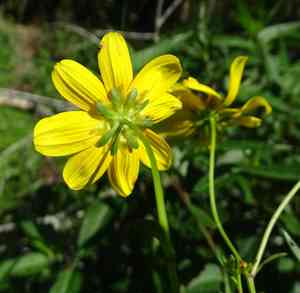
Smallfruit beggarticks (Bidens mitis)
Also known as: Marsh beggarticks
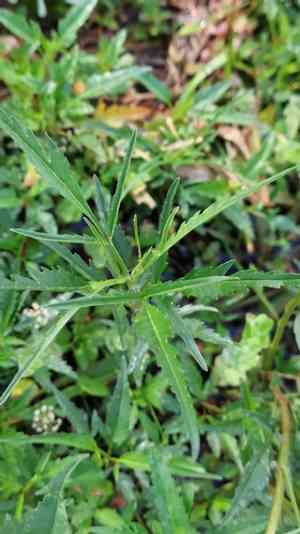
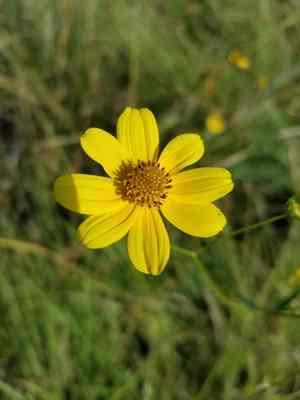
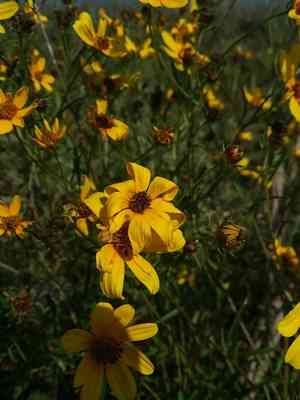
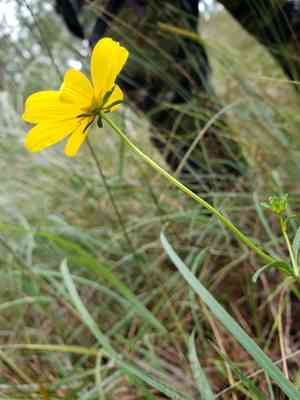
Smallfruit beggarticks (Bidens mitis) is an annual herb that flourishes in wet, marshy environments, such as riverbanks and wetlands. This plant features pinnate leaves with serrated edges and produces yellow, daisy-like flowers with both ray and disk florets. One of its distinguishing traits is its small, barbed fruits that cling to animals and clothing, facilitating seed dispersal. Adapted to thrive in its moist habitat, Smallfruit beggarticks grows well in full sun or partial shade and leverages its effective seed hitchhiking mechanism for propagation.
In This Article
Attributes of Smallfruit beggarticks
Lifespan
Annual
Plant Type
Herb
Plant Height
0 mm to 91 cm
Spread
Approximately 0.5 meter
Leaf Color
Green
Flower Size
1 to 2.5 centimeters
Flower Color
Yellow
Images of Smallfruit beggarticks
Quickly Identify Smallfruit beggarticks
1
Can be identified by its bright yellow, daisy-like flowers and distinctive hooked barbed seeds that attach to clothing.
Scientific Classification of Smallfruit beggarticks
Phylum
Vascular plants
Class
Dicotyledons
Order
Asterales
Family
Daisy
Genus
Beggarticks
Species
Smallfruit beggarticks
Planting and Growing of Smallfruit beggarticks
Care Difficulty
Easy
Watering Schedule
Every 2 days
Sunlight Requirements
Partial sun
Sunshine Duration
4-8 hours
Ideal Temperature
68-77℉
Soil Type
Potting Mix, Peat Mix
Soil pH
6.5-7.5
Fertilizer Type
Balanced
Pruning Season
Spring, Summer
Pruning Area
Branches, Leaves
Pruning Frequency
Once a year
Repotting Season
Spring
Pot Type
Plastic, Ceramic
 How to Water Smallfruit beggarticks?
For Bidens mitis, it’s key to maintain soil moisture without letting it become waterlogged. The plant prefers a thorough watering, ensuring that the water reaches the root zone, but avoid standing water. About 500 ml should suffice per session to invigorate the roots and maintain soil hydration.
What are the symptoms of an underwatered Smallfruit beggarticks?
›
What should I do if my Smallfruit beggarticks is not getting enough water?
›
What are the symptoms of an overwatered Smallfruit beggarticks?
›
How to save an overwatered Smallfruit beggarticks?
›
 What Are the Sunlight Requirements for Smallfruit beggarticks?
Partial sun exposure, involving dappled sunlight for 4-6 hours, is optimal. This ensures balanced photosynthesis, promoting sturdy growth and vibrant blooms without risking damage from excessive light.
What is the best location for Bidens mitis to get ideal light?
›
How can I ensure Bidens mitis receives ideal light throughout the year?
›
What should I do if natural light isn't sufficient or too strong?
›
 What Is the Ideal Temperature Range for Smallfruit beggarticks?
Bidens mitis thrives best in temperatures ranging from 68°F to 77°F. In this range, the plant can efficiently conduct photosynthesis, leading to optimal growth and flowering. Such moderate temperatures help maintain the plant's metabolic processes, promoting vigor and health.
 What Soil is Best for Smallfruit beggarticks?
Bidens mitis thrives in nutrient-rich soil, which provides essential minerals and nutrients for robust growth and vibrant blooms. A well-fertilized loamy soil enhances its lush foliage and flower production. Proper drainage is critical to prevent root rot in Bidens mitis. A sandy loam soil allows excess water to drain efficiently, ensuring that the plant's roots remain healthy and aerated. While Bidens mitis prefers well-drained soils, it also requires some moisture retention to sustain its growth during dry periods. Loam soils strike a perfect balance by retaining necessary moisture without waterlogging.
 How to Fertilize Smallfruit beggarticks?
Bidens mitis thrives with moderate fertilization. For liquid fertilizers, a concentration of 1/4 the recommended strength per gallon of water is best. Over-fertilizing can be harmful, so a balanced approach is key.
 How to Prune Smallfruit beggarticks?
Start by removing any dead or diseased branches. Next, identify long stems that disturb the plant's natural shape and trim them back. Encourage bushier growth by cutting back to just above a leaf node. Regular pruning helps maintain the size and aesthetic appeal of the plant. To encourage continuous blooming, deadhead spent flowers regularly. This involves snipping the flower heads as soon as they fade to direct the plant’s energy to produce more blooms rather than seeds. This keeps Bidens mitis vibrant throughout the flowering seasons.
More About Pruning Techniques→
 How to Propagate Smallfruit beggarticks plant?
1
Harvest seeds from mature Bidens mitis flowers after they have dried. Clean the seeds to remove any debris, and store them in a cool, dry place until you are ready to plant them.
2
Select a healthy, disease-free stem. Cut a 5-10 cm long section below a node, remove the lower leaves, and plant it in a potting mix. Keep the soil moist but not waterlogged to encourage root development.
3
Place pots or seed trays in a warm, bright location but out of direct sunlight. Maintain consistent moisture and temperature to facilitate germination or root establishment.
 How to Repot Smallfruit beggarticks plant?
1
You'll know it's time to repot Bidens mitis when you see roots poking out from the drainage holes or the plant looks visually too large for its pot. Additionally, if the soil dries out too quickly after watering, it may be an indication that the plant has outgrown its current home.
2
Select a pot that is one size larger than the current one, ideally with drainage holes to prevent waterlogging. A wider and shallower pot can be favorable for Bidens mitis as it allows the roots to spread comfortably, promoting healthier growth and stability.
3
Opt for a rich, well-draining loamy soil that retains moisture without becoming waterlogged. Such soil ensures that Bidens mitis roots get enough air, which helps in preventing root rot, a common issue with overly moist conditions.



