How to Propagate Fewflower beggarticks?
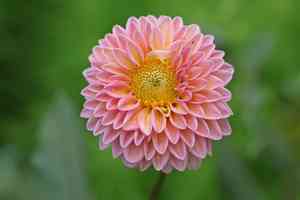
Bidens aristosa, a species within the Asteraceae family, is characterized by its herbaceous nature and sparse floral clusters. For propagating Bidens aristosa, plant seeds directly into damp, adequately draining soil, ensuring they receive abundant sunlight. Successful germination usually yields vigorous seedlings suitable for relocation. Consistent irrigation is vital for peak development. Apply a thin layer of mulch to deter unwanted vegetation and preserve soil moisture around nascent plants, fostering strong growth.
Optimal Time for Fewflower Beggarticks Propagation
Propagation Method
Seeding
Propagation Period
Spring
Equipment for Fewflower Beggarticks Propagation
Seed Trays
Seed trays offer a controlled setting for planting fewflower beggarticks seeds. They assist in managing seed spacing and depth, ensuring ideal growing conditions.
Moisture Dome
Moisture domes help maintain humidity and warmth, vital for fewflower beggarticks germination. They prevent seeds from drying out and create a favorable microclimate for sprouting.
Fine Mist Spray Bottle
A fine mist spray bottle allows for gentle watering of seeds without disturbing the soil or dislodging fewflower beggarticks seeds. It maintains consistent moisture levels crucial for germination.
Seed Starting Mix
A premium seed starting mix, which drains well yet retains moisture, provides essential nutrients and optimal conditions for fewflower beggarticks seeds to sprout and develop strong roots.
Heat Mat
Heat mats regulate and provide steady warmth to the soil, accelerating the germination process for fewflower beggarticks, especially in cooler climates. They ensure the soil maintains an ideal temperature for seed propagation.
Label Markers
Label markers are crucial for tracking different sowing dates and seed batches of fewflower beggarticks. Proper labeling prevents confusion and aids in monitoring growth stages effectively.
Fine Mesh Sieve
A fine mesh sieve is used to gently cover fewflower beggarticks seeds with a thin layer of soil or seed starting mix after planting. This ensures even coverage and contact with the soil, promoting successful germination.
How to Propagate Fewflower Beggarticks?
Propagation Type
Simple
Caring for Your Newly Propagated Fewflower Beggarticks
Caring for Your Newly Propagated Fewflower Beggarticks
After transplanting, ensure fewflower beggarticks is placed in an area with full to partial sun exposure. Water regularly, keeping the soil consistently moist but not waterlogged. Apply mulch around the plants to retain moisture and suppress weeds. Periodically check for pests and diseases, and use natural or chemical treatments as needed. Prune spent flowers to encourage more blooms and prevent excessive self-seeding.
Common Propagation Errors for Fewflower Beggarticks
Overwatering
Excessive watering can lead to root rot, severely impacting the health and viability of fewflower beggarticks. Proper drainage is essential to prevent waterlogged soil.
Incorrect Soil Choice
Using dense or nutrient-deficient soil can impede root development and growth. Fewflower beggarticks requires well-draining, fertile soil to flourish.
Insufficient Light
Providing inadequate light can hinder growth and reduce flowering. Fewflower beggarticks needs ample sunlight for healthy development.
Neglecting Weed Removal
Allowing weeds to grow around fewflower beggarticks can result in competition for nutrients and water, hindering its growth and health.
Incorrect Seed Depth
Planting seeds too deep can prevent germination, while sowing them too shallow may expose them to environmental factors or pests.
Tips for Propagating Fewflower Beggarticks
Use Well-draining Soil
Ensure the soil drains well and is rich in organic matter to support the root system and prevent waterlogging.
Opt for Full Sun
Place fewflower beggarticks in an area where it receives at least 6-8 hours of direct sunlight daily to promote vigorous growth and flowering.
Maintain Moderate Watering
Water fewflower beggarticks moderately, allowing the soil to dry out slightly between waterings to prevent root rot and other moisture-related issues.
Mulch to Control Weeds
Apply a layer of mulch around the base of fewflower beggarticks to help retain moisture, regulate soil temperature, and prevent weed growth.
Proper Seed Sowing
Sow seeds at the appropriate depth, typically about 1/4-inch deep, and ensure they are lightly covered with soil to facilitate germination.



