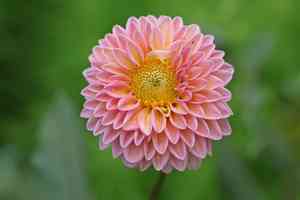
Fewflower beggarticks (Bidens leptocephala)
Also known as: Slender Beggarticks, Slender Bidens
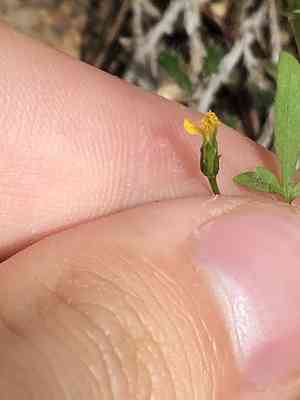
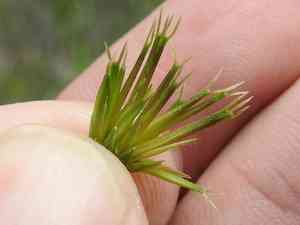
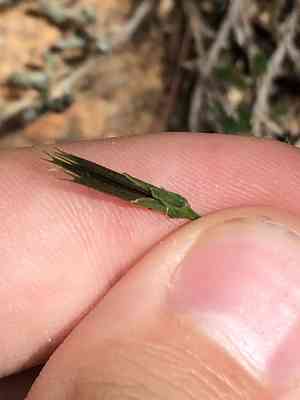
Bidens leptocephala is an annual herb that can reach heights of up to 50 cm. Its flower heads can appear singly or in clusters of two or three, featuring yellow or white disc florets, and occasionally ray florets. This species typically thrives along streambanks.
In This Article
Attributes of Fewflower beggarticks
Lifespan
Annual
Plant Type
Herb
Plant Height
0 mm to 30 cm
Spread
Not applicable as it is herbaceous
Leaf Color
Green
Flower Size
About 1 inch (2.5 cm)
Flower Color
Yellow
Images of Fewflower beggarticks
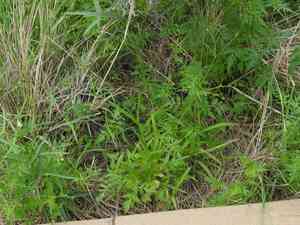
Quickly Identify Fewflower beggarticks
1
To identify Bidens leptocephala, look for its slender, erect stems that can reach up to 24 inches in height. The leaves are typically narrow, linear, and arranged oppositely. The yellow flowers are daisy-like, with a central disk surrounded by ray florets.
Scientific Classification of Fewflower beggarticks
Phylum
Vascular plants
Class
Dicotyledons
Order
Asterales
Family
Daisy
Genus
Beggarticks
Species
Fewflower beggarticks
Planting and Growing of Fewflower beggarticks
Care Difficulty
Moderate
Watering Schedule
Every 4 days
Sunlight Requirements
Full sun
Sunshine Duration
6-12 hours
Ideal Temperature
68-77℉
Soil Type
Potting Mix, Peat Mix
Soil pH
6.5-7.5
Fertilizer Type
Balanced
Pruning Season
Spring, Summer
Pruning Area
Branches, Leaves
Pruning Frequency
2 times a year
Repotting Season
Spring
Pot Type
Terracotta, Plastic
 How to Water Fewflower beggarticks?
For Bidens leptocephala, it is crucial to water until the soil is evenly moist but not soggy, approximately 250 ml per session. Ensure that water reaches the root zone and slightly drenches the topsoil without leaving standing water. The goal is to maintain sufficient moisture that encourages growth without risking root rot.
What are the symptoms of an underwatered Fewflower beggarticks?
›
What should I do if my Fewflower beggarticks is not getting enough water?
›
What are the symptoms of an overwatered Fewflower beggarticks?
›
How to save an overwatered Fewflower beggarticks?
›
 What Are the Sunlight Requirements for Fewflower beggarticks?
For optimal health, Bidens leptocephala benefits from full to partial sun exposure. This light range facilitates vigorous growth and abundant blooming, critical for its overall well-being.
What is the ideal light level for Bidens leptocephala?
›
How can you achieve this ideal lighting?
›
Why is this lighting condition important?
›
 What Is the Ideal Temperature Range for Fewflower beggarticks?
The ideal temperature range for Bidens leptocephala is between 68°F to 77°F. Within this temperature range, the plant can perform its biological processes optimally. This range ensures that photosynthesis rates are high, and the plant's growth and flowering potential are maximized.
 What Soil is Best for Fewflower beggarticks?
Bidens leptocephala thrives in well-draining soil, which prevents root rot by allowing excess water to escape. This condition is crucial because the plant’s roots get the aeration they need, keeping the plant healthy and robust. Nutrient-rich soil is important for Bidens leptocephala as it fuels the plant's growth and vibrancy. A soil mix containing organic matter, such as compost, provides essential nutrients and enhances soil fertility, ensuring flourishing plant development. This plant prefers neutral pH-balanced soil, which helps it absorb nutrients efficiently. Maintaining a pH between 6.5 and 7.5 ensures that the Bidens leptocephala has access to essential nutrients, promoting healthy and sustained growth.
 How to Fertilize Fewflower beggarticks?
For Bidens leptocephala, the appropriate fertilizer amount is key to maintaining vibrant and healthy growth. Typically, a balanced 10-10-10 liquid fertilizer should be used at a dilution of about half the recommended strength on the packaging. This ensures that the nutrients are accessible without overwhelming the plant.
 How to Prune Fewflower beggarticks?
Start by examining your Bidens leptocephala for any dead or diseased stems. Carefully cut these back to the base of the plant to encourage new growth and prevent any health issues from spreading. Trim the spent blooms using sharp pruning shears to promote a bushier appearance and prolong the blooming period. Focus on encouraging new bud growth by cutting at an angle just above a healthy set of leaves. Prune to shape your Bidens leptocephala so that it maintains a pleasing form. This involves trimming overgrown stems and ensuring balanced growth, which helps the plant develop a more attractive and compact shape.
More About Pruning Techniques→
 How to Propagate Fewflower beggarticks plant?
1
Ensure the planting soil is well-draining and nutrient-rich. This provides a good growing medium that supports root development and overall plant health.
2
Gather mature seeds from the plant once they have developed fully. Collecting too early can result in poor germination rates.
3
Select healthy stems, cut them below a node, and plant them in moist soil. This stimulates root development and helps in establishing new plants.
 How to Repot Fewflower beggarticks plant?
1
Bidens leptocephala needs repotting when its roots start circling the pot or when growth seems stunted. Early spring is ideal as it aligns with the plant's growth cycle, giving it a burst of vitality with fresh soil and more space.
2
Select a pot that's one size larger than the current one, ideally with drainage holes. This ensures adequate root space without being too large, which can lead to overwatering issues. Terracotta pots are excellent as they allow the soil to dry out between watering, preventing root rot.
3
Opt for a well-draining potting mix rich in organic matter. This provides the perfect balance of nutrients, moisture retention, and drainage required by Bidens leptocephala. Good soil facilitates healthy root growth and robust overall plant development.



