How to Propagate Downy birch?
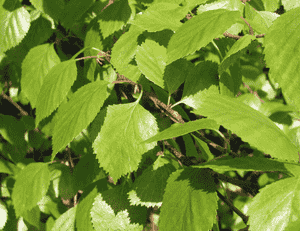
Recognized for its hardiness and versatility, downy birch flourishes across diverse soil types and weather conditions. Reproduction is typically accomplished via cuttings, which entails choosing a robust, established branch and segmenting it into portions possessing multiple nodes. Verify that the incision is made beneath a node, since this area holds vital growth cells that encourage root formation. Furthermore, sustaining elevated humidity and warmth can accelerate the rooting procedure. Applying rooting hormone to the base of the cuttings prior to potting them in a free-draining substrate could also boost successful outcomes.
When Is the Optimal Time to Propagate Downy Birch?
Propagation Method
Cutting
Propagation Period
Autumn,Winter
What Equipment Is Used in Downy Birch Propagation?
Pruning Shears
Pruning shears are vital for taking cuttings from downy birch. They enable precise cuts that minimize harm to the parent plant and the cutting itself. Sharp, clean blades ensure smooth, clean cuts, which are crucial for promoting successful rooting and lowering infection risk.
Rooting Hormone
Rooting hormone in powder or gel form significantly boosts the rooting success rate of downy birch cuttings. Applying rooting hormone to the cut end of the cutting stimulates root development more rapidly and vigorously than untreated cuttings.
Sterile Potting Mix
Employing a sterile potting mix for downy birch cuttings guarantees that the young plants are free from pathogens, pests, and weed seeds. A well-draining mix supports healthy root growth by supplying the necessary air, moisture, and nutrients.
Propagation Tray
Propagation trays are useful for organizing and maintaining multiple downy birch cuttings in a controlled setting. By ensuring each cutting has sufficient space and resources, these trays help maintain the required humidity and temperature conditions for rooting.
Plastic Domes or Covers
Plastic domes or covers fit over propagation trays to create a mini-greenhouse environment, which is beneficial for downy birch. This setup maintains high humidity and stable temperatures, both critical factors in improving the rooting success rate of cuttings.
Heat Mat
A heat mat can be placed beneath the propagation tray to provide a consistent and ideal soil temperature, encouraging faster root development in downy birch cuttings. Especially in cooler climates, this tool helps maintain an optimal rooting environment.
How to Propagate Downy Birch?
Propagation Difficulty
Moderately Difficult
How to Care for Your Newly Propagated Downy Birch?
How to Care for Your Newly Propagated Downy Birch?
After successful propagation, gradually acclimate downy birch to its growing environment. Transplant it to a larger container or a permanent spot with well-drained soil and full to partial sun exposure. Water regularly, especially during dry periods, but be careful not to overwater. Apply mulch to keep roots cool in summer and protected in winter. As downy birch matures, prune selectively to maintain its shape and remove any dead or crowded branches.
Common Errors to Avoid When Propagating Downy Birch
Overwatering cutting
This can lead to root rot and fungal infections, as downy birch cuttings have not yet developed a robust root system to absorb excess moisture.
Neglecting humidity
A lack of a humid environment for cuttings can cause them to dry out, hindering root development and reducing propagation success.
Improper cutting selection
Using non-viable or diseased parts of downy birch for propagation can result in weakened new plants or a complete failure to root.
Planting cuttings too deep
Deep planting may suffocate the cutting's base, preventing sufficient oxygen from reaching developing roots and leading to decay.
Ignoring soil requirements
Using soil that does not ensure proper drainage or has an incorrect pH may impede the growth and overall health of downy birch cuttings.
Tips For Propagating Downy Birch
Use healthy cuttings
Selecting vigorous and disease-free shoots of downy birch will increase the likelihood of successful rooting and strong plant growth.
Correct soil mix
A well-draining, fertile soil mix with a slightly acidic to neutral pH supports healthy root growth in downy birch.
Provide adequate moisture
Maintain soil moisture at an optimal level without overwatering to encourage rooting while preventing decay.
Ensure proper humidity
Using a humidity dome or misting can create a humid environment that helps prevent downy birch cuttings from drying out.
Appropriate planting depth
Plant cuttings shallow enough to allow oxygen to easily reach the rooting area, promoting healthy root development for downy birch.



