How to Propagate Prostrate summercypress?
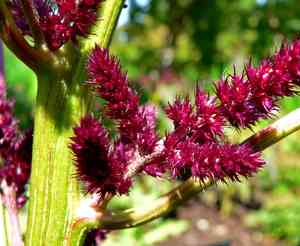
Prostrate summercypress flourishes in bright, arid conditions and performs best in sandy or rich soils. Reproduction can be achieved through cuttings, making sure the sections measure approximately 3-4 inches and originate from robust, established specimens. Employing rooting stimulant can enhance successful establishment. Provide consistent misting and keep the substrate hydrated. Routine trimming encourages compact, full development. While it withstands dry spells, it profits from periodic irrigation during extended periods without rain.
When Is the Optimal Time to Propagate Prostrate Summercypress?
Propagation Method
Cutting
Propagation Period
Autumn,Winter
What Equipment Is Used for Prostrate Summercypress Propagation?
Sharp Pruning Shears
These are crucial for obtaining clean, precise cuttings from prostrate summercypress. They minimize plant tissue damage, reducing disease risk and promoting better rooting.
Rooting Hormone
This powdered or gel substance aids in stimulating root development on prostrate summercypress cuttings. It significantly boosts successful propagation by accelerating the formation of a robust root system.
Sterile Propagation Trays
These containers hold prostrate summercypress cuttings in a controlled setting. They maintain cleanliness and prevent illness, offering ideal conditions for root growth.
Heating Mat
A heating mat positioned beneath the propagation trays ensures a steady warm temperature, vital for the rooting process of prostrate summercypress, especially in cooler climates.
Spray Bottle
Used to regularly mist the cuttings, a spray bottle helps maintain necessary humidity levels. This is essential for preventing prostrate summercypress cuttings from drying out while rooting.
Transparent Humidity Dome
Placed over the propagation trays, this dome maintains high humidity and warmth, creating a microenvironment that encourages successful rooting of prostrate summercypress.
Clean Scalpel or Knife
A sharp, sterile scalpel or knife is utilized to make precise cuts without crushing or tearing plant tissue, decreasing the likelihood of infection and promoting healthy cuttings.
Small Watering Can with Rose Attachment
For gentle irrigation of cuttings, preventing soil disruption and ensuring even moisture distribution around the roots of prostrate summercypress.
Propagating Medium
A well-draining propagating medium, such as a peat and perlite blend, offers the perfect environment for prostrate summercypress rooting. It retains moisture without becoming waterlogged, fostering healthy root growth.
How to Propagate Prostrate Summercypress?
Propagation Difficulty
Moderately Difficult
How to Care for Your Newly Propagated Prostrate Summercypress?
How to Care for Your Newly Propagated Prostrate Summercypress?
After successful rooting, gradually introduce the new plants to outdoor conditions if they will be planted outside. Water young plants regularly but avoid overwatering, as prostrate summercypress prefers well-drained soil. Provide full sun exposure for optimal growth. Fertilize lightly with a balanced feed during the growing season and prune as needed to maintain the desired shape. Monitor for pests and diseases and take appropriate action if necessary.
Common Errors to Avoid When Propagating Prostrate Summercypress
Overwatering
Excess moisture can lead to root rot and fungal infections, which can ultimately kill the plant.
Incorrect Soil Type
Using soil that retains too much moisture or lacks proper drainage can hinder growth and cause root diseases.
Improper Light Conditions
Insufficient sunlight can result in leggy growth, while too much direct sunlight may scorch the foliage.
Neglecting Seed Stratification
Failing to stratify seeds can significantly reduce germination rates, as prostrate summercypress requires a period of cold treatment.
Tips For Propagating Prostrate Summercypress
Well-Draining Soil
Utilize a sandy or gritty soil mix that allows water to drain efficiently, preventing root rot.
Moderate Watering
Maintain consistently moist soil but avoid waterlogging. Water sparingly to keep the soil slightly damp.
Adequate Sunlight
Provide full sun to partial shade to ensure robust growth without scorching the leaves.
Cold Stratification for Seeds
If propagating by seeds, subject them to a cold stratification period to ensure successful germination.



