How to Propagate Twoscale saltbush?
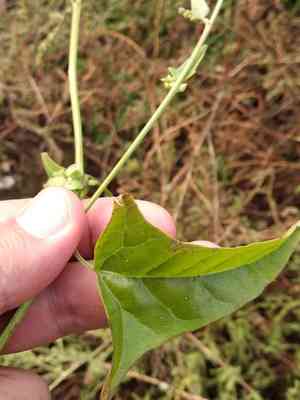
Twoscale saltbush flourishes in salty and basic earth, enabling its endurance in dry regions. Reproduction entails readying the substrate to guarantee adequate water flow, subsequently planting seeds directly into the earth. Confirm that the seeds are thinly veiled with soil and irrigate them consistently until they are rooted. The plant's sturdy character permits its development with little upkeep, making it perfect for cultivators desiring a tough inclusion for their outdoor space.
What Is the Best Time To Propagate Twoscale Saltbush?
Propagation Type
Sowing
Propagation Season
Spring
What Tools Are Used in Twoscale Saltbush Propagation?
Seed Trays
Seed trays are vital for uniformly distributing and arranging twoscale saltbush seeds during the initial sowing phase. Their use enables regulated soil conditions, aiding in moisture retention and temperature control, both critical for germination. Trays are often shallow, perfect for the small seed size of twoscale saltbush, allowing optimal light exposure and easier seedling management.
Seedling Heat Mat
A seedling heat mat boosts germination rates by maintaining a steady soil temperature, essential for a heat-sensitive plant like twoscale saltbush. This tool greatly benefits twoscale saltbush, especially in cooler climates or seasons, by mimicking its preferred warmer conditions, thereby improving germination success.
Misting Bottle
A misting bottle is used to gently moisten twoscale saltbush seeds and young seedlings, ensuring the soil stays damp but not saturated. This tool is particularly useful for twoscale saltbush due to its need for balanced moisture during the crucial germination and early growth stages. Overwatering or heavy irrigation can dislodge small seeds, making misting an ideal solution.
Fine Particle Soil or Germination Mix
This medium is crucial for sowing twoscale saltbush seeds as it ensures proper drainage and aeration, characteristics vital for preventing soil compaction and fostering root development. A fine particle soil or a specialized germination mix avoids heavy, wet conditions, promoting healthier growth and reducing risks of fungal diseases.
Labels and Markers
Using labels and markers in the propagation process helps in tracking the variety and sowing dates of twoscale saltbush, which is useful for monitoring growth progress and maintenance schedules. This organizational tool aids in the careful management of multiple batches or different species, if propagated simultaneously.
How to Propagate Twoscale Saltbush?
Propagation Type
Easy
How to Care for Your Newly Propagated Twoscale Saltbush?
How to Care for Your Newly Propagated Twoscale Saltbush?
After germination, gradually introduce seedlings to outdoor conditions before transplanting them to their permanent location. Ensure the site is well-drained and receives ample sunlight, as twoscale saltbush thrives in sunny environments. Water plants moderately once established, and during extended dry periods. Minimal additional care is typically needed, as twoscale saltbush is adapted to arid, saline conditions. Regularly inspect for and manage any potential pest issues.
Common Mistakes to Avoid When Propagating Twoscale Saltbush
Overwatering
Providing too much water can lead to root rot or fungal diseases in twoscale saltbush, which prefers drier conditions. Excessive watering can compromise root health, seed germination, and overall plant vigor.
Using non-draining soil
Employing soil that retains excessive moisture can be harmful to twoscale saltbush's well-being. Poorly draining soil may result in waterlogging, stressing twoscale saltbush and potentially causing root decay.
Ignoring light requirements
Failing to provide sufficient sunlight can lead to weak, elongated growth in twoscale saltbush, reducing its resilience and lowering its survival rate during propagation.
Neglecting acclimatization
Abrupt changes in environmental conditions can stress twoscale saltbush, especially if moved from a controlled environment to outdoor conditions without gradual acclimatization. This can result in shock, which may hinder growth or cause death.
Tips For Propagating Twoscale Saltbush
Use well-draining soil
Opt for sandy or loamy soil that allows for adequate water drainage. This will help prevent waterlogging and support healthier root development in twoscale saltbush.
Ensure full sun exposure
Position twoscale saltbush in a location that receives full sun. Adequate sunlight is crucial for optimal growth and development, enhancing photosynthesis and overall health.
Moderate watering
While itâs important to keep the soil moist, especially during seed germination, ensure that the soil is not excessively wet. Allow the top layer of soil to dry out slightly between watering sessions.
Gradual acclimatization
When transferring twoscale saltbush from an indoor or sheltered environment to the outdoors, do it gradually. Start by placing twoscale saltbush outside for a few hours each day, and slowly increase exposure to external conditions over several days.



