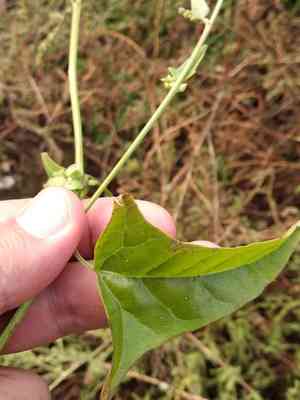
Twoscale saltbush (Atriplex micrantha)
Also known as: Saltbush, Russian thistle
Saltbush (Atriplex species) is a resilient shrub well-suited to dry, arid regions. Its small, gray-green leaves are designed to minimize water loss, and its unassuming flowers are adapted to survive tough conditions. This plant can flourish in nutrient-poor, saline soils, showcasing its adaptability and hardiness in challenging environments.
In This Article
Attributes of Twoscale saltbush
Lifespan
Annual
Plant Type
Herb
Plant Height
30-100 cm
Spread
30-60 cm
Leaf Color
Silvery or grey-green
Flower Size
1-2 mm
Flower Color
Greenish
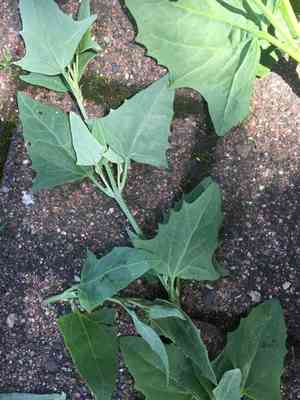
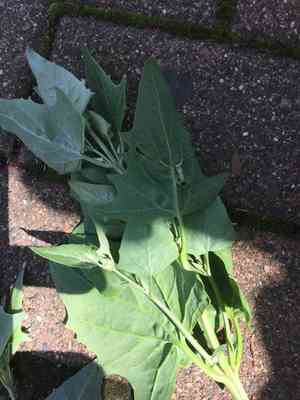
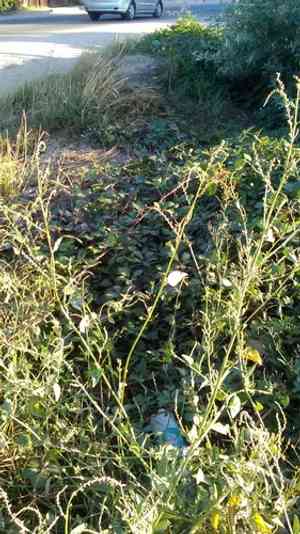
Images of Twoscale saltbush
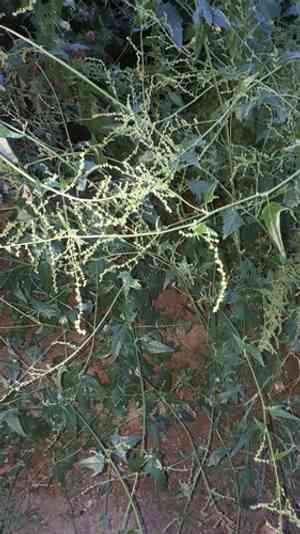
Quickly Identify Twoscale saltbush
1
Atriplex micrantha can be identified by its small, oval to lance-shaped leaves, which are often silvery or grey-green in color. The plant produces small clusters of greenish flowers that are inconspicuous.
Scientific Classification of Twoscale saltbush
Phylum
Vascular plants
Class
Dicotyledons
Order
Caryophyllales
Family
Amaranth
Genus
Saltbush
Species
Twoscale saltbush
Planting and Growing of Twoscale saltbush
Care Difficulty
Easy
Watering Schedule
Every 2 days
Sunlight Requirements
Full sun
Sunshine Duration
6-10 hours
Ideal Temperature
60-77℉
Soil Type
Potting Mix, Peat Mix
Soil pH
6.5-7.5
Fertilizer Type
Balanced
Pruning Season
Spring, Summer
Pruning Area
Branches, Leaves
Pruning Frequency
2 times a year
Repotting Season
Spring
Pot Type
Plastic, Terracotta
 How to Water Twoscale saltbush?
For Atriplex micrantha, watering should ensure that the soil is deeply moistened but not waterlogged. Aim for a good soaking so water reaches about 15 cm deep, but the surface should dry within a day. This allows the roots to absorb necessary moisture without drowning the plant.
What are the symptoms of an underwatered Twoscale saltbush?
›
What should I do if my Twoscale saltbush is not getting enough water?
›
What are the symptoms of an overwatered Twoscale saltbush?
›
How to save an overwatered Twoscale saltbush?
›
 What Are the Sunlight Requirements for Twoscale saltbush?
Atriplex micrantha prefers full sun, benefitting from around 6-8 hours of direct sunlight. This exposure supports optimal photosynthesis, ensuring vibrant foliage and robust health.
What is the best type of light for Atriplex micrantha?
›
How can you ensure Atriplex micrantha gets ideal light indoors?
›
What benefits does ideal lighting provide for Atriplex micrantha?
›
 What Is the Ideal Temperature Range for Twoscale saltbush?
For optimal growth of Atriplex micrantha, it is ideal to maintain a temperature range of 60°F to 77°F. This provides the right conditions for its metabolic processes and overall health.
 What Soil is Best for Twoscale saltbush?
Atriplex micrantha thrives in well-drained soil, which allows water to efficiently permeate through, preventing root rot. This characteristic is crucial for ensuring the plant receives adequate oxygen and maintains a healthy root system. This plant is adapted to low-fertility conditions, reducing the need for frequent fertilization. It can grow in nutrient-poor soils, which is beneficial for gardeners seeking low-maintenance options. Atriplex micrantha is known for its tolerance to saline conditions, making it suitable for areas with slightly salty soils. This means it can grow in environments that might challenge other plants.
 How to Fertilize Twoscale saltbush?
For Atriplex micrantha, it is crucial to apply fertilizers sparingly to avoid overgrowth. Use a balanced general-purpose fertilizer, applying approximately half the recommended dose to start and increase if necessary. This plant naturally adapts to nutrient-poor soils, so excess fertilization is often unnecessary.
 How to Prune Twoscale saltbush?
Before you start pruning, take a moment to understand the natural structure and growth pattern of Atriplex micrantha. This will help guide your cuts and ensure you aren’t removing too much or the wrong parts of the plant. Focus on removing any overlapping branches to increase airflow through the plant. This helps to prevent fungal infections and allows sunshine to reach deeper into the bush. Cut at a 45-degree angle to reduce water retention on the cut surface.
More About Pruning Techniques→
 How to Propagate Twoscale saltbush plant?
1
To propagate Atriplex micrantha by seed, begin by collecting seeds from mature plants. After collection, soak the seeds in lukewarm water for 24 hours to soften the seed coat and enhance germination rates.
2
Fill seed trays with a well-draining soil mix and sow the prepared seeds evenly across the surface. Lightly cover seeds with a thin layer of soil, ensuring they are not buried too deep. Maintain consistent soil moisture.
3
To propagate via cuttings, select healthy, non-flowering stems. Using sharp pruning shears, take 10-15 cm long cuttings with several nodes. Strip the lower leaves, leaving two or three sets of leaves at the top.
 How to Repot Twoscale saltbush plant?
1
Repot Atriplex micrantha when you notice roots emerging from the drainage holes or the plant's growth seems stunted. This often indicates that the plant has outgrown its current pot and requires more space to thrive.
2
Select a pot that is 1-2 inches larger in diameter than the current one, and ensure it has good drainage holes. A well-sized pot with proper drainage allows excess water to escape, preventing root rot and promoting healthy root development.
3
Opt for a well-draining cactus mix to ensure the soil doesn't retain too much moisture. A dry-loving plant like Atriplex micrantha benefits from a mix that mimics its natural arid habitat, promoting healthy growth and preventing over-watering.
Toxicity
Ingestion
WARNING
The judgment on toxicity and danger is for reference only. We DO NOT GUARANTEE any accuracy of such judgment. Therefore, you SHALL NOT rely on such judgment. It is IMPORTANT TO SEEK PROFESSIONAL ADVICE in advance when necessary.
Learn More About Twoscale saltbush Diseases
Bacterial Leaf Spot
Bacterial Soft Rot
Bacterial Wilt
Chemical Injury
Damping-off
Downy Mildew
Drought Stress
Fusarium Wilt
Gray Mold
Leaf Spot
Mosaic
Nutrient Deficiency
Nutrient Toxicity
Powdery Mildew
Root Rot
Root-knot Nematode
Rusts
Sooty Mold
Spider Mites
Temperature Stress
Thrips Damage
White Mold



