How to Propagate Hybrid cloakfern?
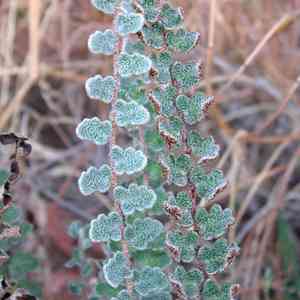
The hybrid cloakfern, recognized for its appealing foliage, flourishes optimally in adequately draining substrate and dappled light. For effective propagation, commence by scattering spores onto a damp, sterilized growing material, ensuring steady moisture levels. Maintain uniform moisture in the medium, preventing saturation to avert decay. This plant benefits from a warm setting with diffused illumination. Following sprouting, progressively introduce the nascent plants to new conditions to lessen the impact of relocation. Proficient nurturing will yield robust, flourishing development.
When Is the Optimal Time to Propagate Hybrid Cloakfern?
Propagation Type
Seeding
Propagation Season
Spring
What Equipment Is Utilized in Hybrid Cloakfern Propagation?
Sterilized Seed Trays
Sanitized seed trays offer a clean environment for spore dispersal, reducing the risk of fungal and bacterial infections that could harm young hybrid cloakfern.
Seed Starting Mix
A well-draining, fine-textured seed starting medium is essential for hybrid cloakfern. It ensures sufficient moisture retention while preventing waterlogging, which is crucial for the delicate spores and developing plants.
Humidity Dome
A humidity dome helps maintain elevated humidity levels, which is vital for spore germination and the initial growth phases of hybrid cloakfern. It creates a microenvironment that lessens the chance of desiccation.
Misting Bottle
A misting bottle allows for gentle irrigation without dislodging the spores or young seedlings. It aids in maintaining the necessary moisture level without overwatering, which can be detrimental to hybrid cloakfern.
Heating Mat
A heating mat provides consistent warmth from below, which can improve spore germination rates for hybrid cloakfern. Stable temperatures are crucial for uniform growth and preventing cold shock.
Labeling Stakes
Labeling stakes ensure that different plantings are accurately identified, preventing confusion. This is particularly important for tracking various strains or propagation dates in hybrid cloakfern.
Magnifying Glass
A magnifying glass can be advantageous for closely observing the development of spores and young plants. It allows for early detection of any issues such as mold or pests.
Fine-tipped Tweezers
Fine-tipped tweezers are useful for carefully handling and positioning small spores or young plants. They help minimize damage during the delicate stages of propagation for hybrid cloakfern.
How to Propagate Hybrid Cloakfern?
Propagation Type
Simple
How to Care for Your Newly Propagated Hybrid Cloakfern?
How to Care for Your Newly Propagated Hybrid Cloakfern?
Following germination, gradually introduce the young plantlets to standard humidity levels by removing the plastic cover over several days. Once the plantlets are large enough to handle, transplant them into individual containers with a similar well-draining soil mixture. Keep in a location with bright, indirect light, and water them moderately, allowing the soil to dry out slightly between waterings. Hybrid cloakfern prefers slightly acidic to neutral soil and benefits from occasional feeding with a balanced, diluted fertilizer during the growing season.
Common Mistakes to Avoid When Propagating Hybrid Cloakfern
Overwatering
Excessive irrigation can lead to root rot, which can jeopardize the plant's survival.
Improper Soil Selection
Using poorly draining soil can result in waterlogged conditions, negatively impacting root development.
Lack of Humidity Control
Failing to maintain adequate humidity can impede spore germination and growth.
Inadequate Light
Providing either too much direct sunlight or insufficient light can stress the plant, halting propagation.
Ignoring Fertilizer Needs
Neglecting to use an appropriate fertilizer can result in nutrient deficiencies, affecting overall health.
Tips For Propagating Hybrid Cloakfern
Soil
Utilize well-draining soil to prevent waterlogging and promote healthy root development.
Watering
Maintain a balanced watering schedule, ensuring the soil is moist but not saturated.
Humidity
Keep the propagation environment humid to encourage successful spore germination.
Light
Provide bright, indirect light to support growth without causing stress from excessive sunlight.
Fertilization
Apply a balanced, slow-release fertilizer to supply essential nutrients for healthy growth.



