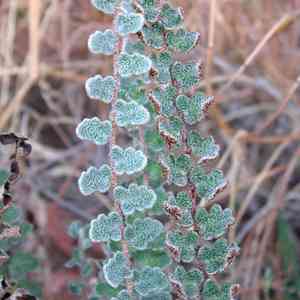
Hybrid cloakfern (Astrolepis integerrima)
Also known as: Silver Cloakfern, Southwest Cloakfern
The common polypody, or Polypodium vulgare, is a tough fern known for its durable, leathery fronds. It thrives in rocky areas with little soil, showcasing its adaptability. The fronds are upright, deeply lobed, and have a distinctive texture, making it well-suited for harsh environments.
In This Article
Attributes of Hybrid cloakfern
Lifespan
Perennial
Plant Height
30-90 cm
Spread
N/A
Leaf Color
Green with silvery scales
Flower Size
N/A
Flower Color
N/A
Images of Hybrid cloakfern
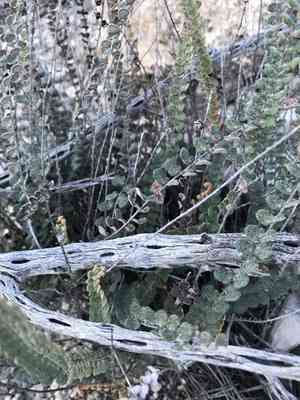
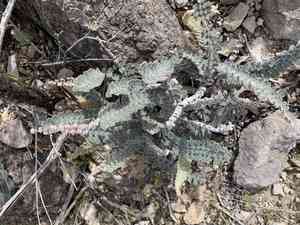
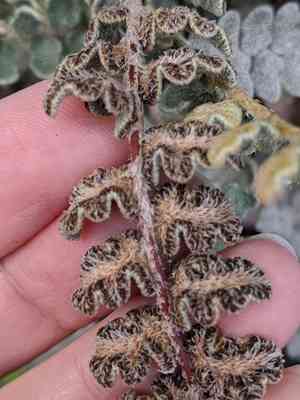
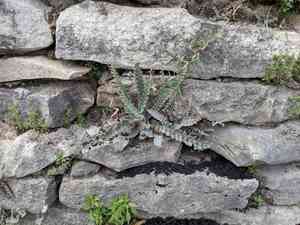
Quickly Identify Hybrid cloakfern
1
Astrolepis integerrima can be identified by its silvery, scaly fronds that range from 15 to 40 cm in length. The fronds have a stiff texture and are typically lanceolate. Look for the presence of tiny scales on the surface, which can help differentiate it from other similar species.
Scientific Classification of Hybrid cloakfern
Phylum
Vascular plants
Class
Ferns
Order
Polypodiales
Family
Brake
Genus
Star-scaled cloak fern
Species
Hybrid cloakfern
Planting and Growing of Hybrid cloakfern
Care Difficulty
Moderate
Watering Schedule
Every 2 days
Sunlight Requirements
Full sun
Sunshine Duration
6-12 hours
Ideal Temperature
65-75℉
Soil Type
Potting Mix, Peat Mix
Soil pH
6.5-7.5
Fertilizer Type
Balanced
Pruning Season
Spring, Summer
Pruning Area
Branches, Leaves
Pruning Frequency
Once a year
Repotting Season
Spring
Pot Type
Plastic, Terracotta
 How to Water Hybrid cloakfern?
Astrolepis integerrima, commonly known as wholeleaf cloak fern, requires about 250 milliliters of water per session. The key is to water thoroughly but infrequently, ensuring the soil is allowed to dry out completely between waterings. Pour slowly until water trickles out from the drainage hole, signaling saturation but preventing root rot.
What are the symptoms of an underwatered Hybrid cloakfern?
›
What should I do if my Hybrid cloakfern is not getting enough water?
›
What are the symptoms of an overwatered Hybrid cloakfern?
›
How to save an overwatered Hybrid cloakfern?
›
 What Are the Sunlight Requirements for Hybrid cloakfern?
Astrolepis integerrima thrives best with full sun to partial sun exposure. Providing this light range enhances its growth vigor, yielding healthier, more vibrant foliage.
How much light does Astrolepis integerrima need?
›
Solutions for ideal light conditions
›
Benefits of ideal lighting for Astrolepis integerrima
›
 What Is the Ideal Temperature Range for Hybrid cloakfern?
The ideal temperature range for cultivating Astrolepis integerrima is between 65°F and 75°F. This range ensures optimal growth and health, facilitating proper physiological functions such as photosynthesis and nutrient uptake.
 What Soil is Best for Hybrid cloakfern?
Astrolepis integerrima thrives in well-drained soil, which prevents waterlogging and root rot. This type of soil helps maintain the plant's health by ensuring roots have access to air and appropriate moisture levels. A nutrient-rich soil provides essential minerals that support robust growth and vibrant foliage in Astrolepis integerrima. Regular incorporation of organic matter can enhance the soil's fertility, promoting sustained plant health. The plant prefers soil that retains moderate moisture, avoiding extremes of dryness or sogginess. This balance aids in consistent nutrient uptake and reduces stress on the plant, leading to more vigorous growth.
 How to Fertilize Hybrid cloakfern?
Astrolepis integerrima, known for its unique foliage, benefits from balanced fertilization. Use a diluted liquid fertilizer with a ratio of 20-20-20 every two weeks during the growing season. For slow-release fertilizers, apply a small amount (approximately 1/2 of the manufacturer's recommended dose) thrice yearly to provide nutrients over time while preventing nutrient lockout.
 How to Prune Hybrid cloakfern?
Look for any brown, dry, or withered fronds on your Astrolepis integerrima. These are the dead parts that no longer serve the plant’s growth and can be safely removed to improve the plant's overall aesthetic and health. Astrolepis integerrima naturally has a lovely shape, but occasionally trimming for symmetry helps maintain its visual appeal. Carefully follow the plant’s natural outline and cut back overgrown areas to keep it looking tidy. Cut back damaged or old fronds to about an inch from their base. This encourages the plant to focus its energy on new, vigorous growth, ensuring a lush and revitalized appearance. Ensure there is adequate airflow through the plant by clearing out dense, overlapping fronds. This reduces the risk of mildew and pests, keeping Astrolepis integerrima healthy and vibrant.
More About Pruning Techniques→
 How to Propagate Hybrid cloakfern plant?
1
Start by collecting mature spores. Soak them in water for about 24 hours to encourage germination. After soaking, lay them out on moistened paper towels until they start sprouting.
2
In early spring, carefully uproot the plant and gently shake off excess soil. Use a knife to divide the rhizomes, ensuring each section has at least one healthy frond and root mass.
3
Plant each divided section in well-drained soil, keeping the crown at soil level. Water them thoroughly initially, then maintain moderate moisture levels to establish roots.
 How to Repot Hybrid cloakfern plant?
1
Astrolepis integerrima signals it's time for repotting when roots start peeking through the drainage holes, the soil becomes compacted, or the plant visibly outgrows its pot. The best time to catch these signs is during the active growing seasons of spring or summer, ensuring minimal stress during the transition.
2
Select a pot that is one size larger than the current one, with ample drainage holes to prevent waterlogging. This ensures that the roots have room to grow and reduces the risk of root rot, fostering a healthy environment for your plant's development.
3
Astrolepis integerrima thrives in a sandy, well-draining soil mix bolstered with organic matter. Such a mix facilitates optimal drainage while still retaining enough moisture to support the plant's needs, effectively mimicking its natural habitat and promoting robust growth.
Learn More About Hybrid cloakfern Diseases
Anthracnose
Bacterial Leaf Spot
Bacterial Soft Rot
Bacterial Wilt
Black Spot
Chemical Injury
Crown Gall
Cyst Nematode
Damping-off
Downy Mildew
Drought Stress
Fusarium Wilt
Gray Mold
Leaf Curl
Leaf Spot
Mosaic
Nutrient Deficiency
Nutrient Toxicity
Powdery Mildew
Root Rot
Root-knot Nematode
Rusts
Sooty Mold
Spider Mites
Temperature Stress
Thrips Damage
White Mold



