How to Propagate Triplerib milkvetch?
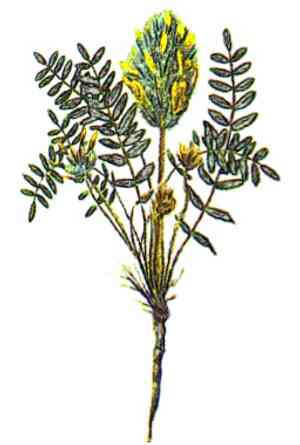
Astragalus tricarinatus is an uncommon, enduring herbaceous plant indigenous to specific dry environments. For propagation, the utilization of seeds is crucial, and they must undergo scarification to aid sprouting. This particular variety thrives in sandy, well-drained substrates, replicating its native environmental characteristics. Regular yet sparse irrigation is vital to prevent the decay of roots. Given its gradual development, perseverance is paramount when cultivating Astragalus tricarinatus. Providing appropriate circumstances will encourage robust development.
Optimal Time for Triplerib Milkvetch Propagation
Propagation Type
Sowing
Propagation Season
Spring
Tools for Triplerib Milkvetch Propagation
Seed Trays
Seed trays offer a controlled setting for the initial development of triplerib milkvetch from seeds. They assist in maintaining proper spacing, ensuring seedlings have ample room to grow without competition.
Seed Starting Mix
A seed starting mix is vital for providing a well-draining, nutrient-rich medium for triplerib milkvetch seeds. This mix guarantees optimal moisture retention and aeration, crucial for germination and healthy root growth.
Humidity Dome
A humidity dome is placed over seed trays to maintain consistent humidity, significantly boosting the germination rate of triplerib milkvetch seeds by preventing desiccation.
Heat Mat
A heat mat provides consistent bottom warmth, which benefits the germination of triplerib milkvetch seeds, especially if the ambient temperature is below optimal germination levels.
Spray Bottle
A spray bottle is essential for gently misting the soil without disturbing triplerib milkvetch seeds, keeping the soil surface moist but not saturated, which is critical during germination.
Labels
Labels are used to track different seed batches, allowing gardeners to monitor progress and maintain records of triplerib milkvetch propagation efforts.
Fine-mesh Sieve
A fine-mesh sieve is useful for covering seeds with a light, even layer of soil or vermiculite, which helps protect triplerib milkvetch seeds while still allowing light to penetrate if needed for germination.
Tweezers
Tweezers can be helpful for handling small triplerib milkvetch seeds individually, enabling precise placement in seed trays, thus minimizing damage or misplacement.
Propagating Triplerib Milkvetch
Propagation Type
Easy
Caring for Your Newly Propagated Triplerib Milkvetch
Caring for Your Newly Propagated Triplerib Milkvetch
Post-germination, gradually introduce triplerib milkvetch seedlings to outdoor conditions by slowly increasing sun exposure over 1-2 weeks. Transplant seedlings when robust enough, ideally with at least two sets of true leaves. Select a well-drained, sunny planting site. Water young plants regularly, allowing soil to dry slightly between waterings to prevent root rot. Mulching can help retain moisture and control weeds. Fertilize sparingly, as triplerib milkvetch thrives in poor soils. Monitor for pests and diseases, and prune damaged foliage to maintain health.
Common Errors to Avoid When Propagating Triplerib Milkvetch
Overwatering
Excessive moisture can lead to root rot. This plant prefers well-drained soil and does not thrive in waterlogged conditions.
Improper Soil Mix
Using standard garden soil can be too dense for triplerib milkvetch. A well-draining soil mix containing sand or perlite is crucial.
Insufficient Light
Lack of adequate sunlight can impede triplerib milkvetch's growth. This plant requires full sun for optimal propagation.
Neglecting Seed Scarification
Failure to scarify seeds can lower germination rates. This plant's seeds have a hard coat that needs scarification to encourage sprouting.
Inadequate Spacing
Planting seedlings too closely can restrict their growth due to competition for nutrients, light, and space.
Tips For Propagating Triplerib Milkvetch
Water Moderately
Ensure the soil is moist but not waterlogged. Proper drainage is vital to prevent root rot.
Use Well-draining Soil
Combine garden soil with sand or perlite to create a well-draining mix that supports healthy root development.
Provide Full Sunlight
Position the plant where it can receive ample sunlight daily, which is essential for its growth and propagation.
Scarify Seeds
Manually scarify the seeds by lightly sanding the seed coat or using a knife to nick it, which helps improve germination rates.
Space Adequately
Maintain appropriate spacing between plants to ensure they have enough room to grow without competing for resources.



