How to Propagate Soxman's milkvetch?
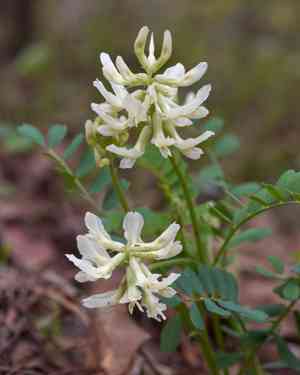
Astragalus soxmaniorum, a distinctive member of the pea family, is recognized for its resilience and notable characteristics. It flourishes in sandy, well-drained substrates and necessitates ample sunlight. Reproduction is most effective by planting seeds in a regulated setting until the young plants are robust enough for outdoor relocation. Confirm that the growing medium stays somewhat damp yet adequately aerated. Applying a thin layer of soil over the seeds can enhance their sprouting success.
What Is the Best Time To Propagate Soxman's Milkvetch?
Propagation Type
Sowing
Propagation Season
Spring
What Tools Are Used in Soxman's Milkvetch Propagation?
Seed Trays
Crucial for germinating soxman's milkvetch seeds, these trays offer a controlled setting for sowing, watering, and observation.
Seedling Heat Mat
This device provides consistent warmth, accelerating the germination of soxman's milkvetch seeds by maintaining an ideal soil temperature.
Humidity Dome
A humidity dome retains moisture and creates a greenhouse effect, giving soxman's milkvetch seeds the humid conditions needed for successful sprouting.
Fine Mesh Sieve
Helpful for preparing a finely-textured seed-starting mix, ensuring soxman's milkvetch seeds have optimal soil contact for better germination rates.
Spray Bottle
A spray bottle aids in gently watering soxman's milkvetch seeds, preventing displacement while ensuring even moisture distribution.
Label Sticks
Label sticks help track different sowing dates or plant varieties, ensuring accurate monitoring and care for soxman's milkvetch seedlings.
Seed Starting Mix
A specialized seed starting mix provides soxman's milkvetch seeds with the appropriate nutrient balance and soil structure for healthy germination and root development.
Handheld Seed Sower
A handheld seed sower ensures precise placement of tiny soxman's milkvetch seeds, preventing overcrowding and promoting uniform growth.
How to Propagate Soxman's Milkvetch?
Propagation Type
Easy
How to Care for Your Newly Propagated Soxman's Milkvetch?
How to Care for Your Newly Propagated Soxman's Milkvetch?
Post-transplantation, ensure soxman's milkvetch receives ample sunlight, ideally around 6 hours of direct sun daily. Water moderately, allowing the soil to slightly dry between waterings to prevent root rot. Fertilize sparingly, as soxman's milkvetch typically thrives in nutrient-poor soils. Regularly check for pests and diseases, and provide stem support if needed, as soxman's milkvetch can grow tall. Prune any dead or damaged parts to encourage healthy growth.
Common Mistakes to Avoid When Propagating Soxman's Milkvetch
Overwatering
Can lead to root rot, causing the plant to perish before it can establish itself.
Planting too deep
Buries the crown and lower stems, potentially leading to poor growth and decay.
Incorrect soil type
Using heavy, poorly-draining soil can suffocate roots and impede proper development.
Lack of sunlight
Insufficient light can result in weak, elongated plants more vulnerable to disease.
Ignoring pest problems
Failing to address pest infestations early can cause significant damage and hinder plant health.
Tips For Propagating Soxman's Milkvetch
Use well-draining soil
Ensure the soil mix allows for adequate drainage to prevent waterlogging and root rot.
Water sparingly
Provide moderate watering, allowing the soil to dry out slightly between waterings to avoid over-saturation.
Site selection
Choose a sunny location that will provide the necessary light for optimal growth.
Seed preparation
Pre-soak seeds for 24 hours to improve germination rates.
Monitor pests
Regularly inspect the plant for pests and address any issues promptly to maintain healthy growth.



