How to Propagate Chinese milk-vetch?
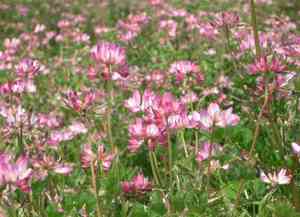
Astragalus sinicus, a leguminous plant, proves advantageous in agricultural cycles due to its capacity for nitrogen fixation. Its reproduction predominantly involves planting its seeds. Before cultivation, immerse the seeds to soften their robust exterior and improve sprouting. Select soil that drains effectively and guarantee sufficient sunlight, as Astragalus sinicus flourishes under such circumstances. Plant seeds superficially; avoid burying them excessively. Careful irrigation after planting is vital for preserving seed-to-soil contact without inducing erosion or dislodging seeds.
Optimal Time for Chinese Milk-vetch Propagation
Propagation Method
Seeding
Propagation Period
Spring
Tools for Chinese Milk-vetch Propagation
Seed Trays
Seed trays are vital for the initial phase of propagating chinese milk-vetch from seeds. Their consistent compartment size and shape facilitate even seed distribution, ensuring uniform access to soil, water, and nutrients. This is critical for chinese milk-vetch due to its fragile early growth stages.
Soil or Seed Starting Mix
A light, well-draining seed starting mix is essential for chinese milk-vetch seed propagation. This soil type prevents water from accumulating around the roots, averting root rot and fostering healthier early root development, which is crucial for delicate plants like chinese milk-vetch.
Labeling Tags
Labeling tags are used to mark and identify various chinese milk-vetch plantings within seed trays. These tags are indispensable for monitoring seed progress and maintaining an organized propagation system. This avoids confusion and ensures appropriate care tailored to chinese milk-vetch's growth requirements.
Watering Can with a Fine Rose
This tool is used for gently watering chinese milk-vetch seeds and seedlings. A watering can with a fine rose attachment provides a soft water flow that won't disturb the soil or seed placement, maintaining consistent moisture levels ideal for germination and early growth.
Dibber or Small Stick
A dibber or similar small stick tool is used for creating precise planting holes in the soil for chinese milk-vetch seeds. Using a dibber ensures each seed is sown at the correct depth, promoting uniform germination and growth.
How to Propagate Chinese Milk-vetch?
Propagation Type
Simple
Caring for Newly Propagated Chinese Milk-vetch
Caring for Newly Propagated Chinese Milk-vetch
Chinese milk-vetch thrives in well-draining soil and full to partial sunlight. Consistent watering is necessary, especially during dry periods, but be careful to avoid overwatering. Additionally, chinese milk-vetch can benefit from occasional feeding with a balanced, all-purpose fertilizer. As the plant matures, thin out crowded areas to encourage robust growth and good air circulation.
Common Mistakes to Avoid When Propagating Chinese Milk-vetch
Overwatering
Excessive watering can lead to root rot in chinese milk-vetch, as it prefers well-drained soil conditions. Too much moisture can deprive roots of oxygen, causing decay.
Deep Sowing
Chinese milk-vetch seeds should not be sown too deeply as they require light for germination. Planting them too deep may result in failed or delayed sprouting.
Ignoring Nodulation
Chinese milk-vetch benefits from nodulation for nitrogen fixation, a symbiotic relationship with specific bacteria. Overlooking the need to ensure these bacteria are present can hinder plant growth and health.
Neglecting Soil pH
Chinese milk-vetch thrives in specific pH conditions. Failing to adjust the soil pH to match chinese milk-vetch's requirements can impede nutrient uptake and plant development.
Planting in Poorly Aired Locations
Chinese milk-vetch requires good air circulation for optimal growth. Planting it in areas with poor airflow can encourage fungal diseases and negatively impact the plant's vitality.
Tips For Propagating Chinese Milk-vetch
Moderate Watering
Provide consistent but moderate moisture until germination to prevent the delicate chinese milk-vetch seeds from rotting or molding without causing drought stress.
Surface Sowing
Sow chinese milk-vetch seeds on the soil surface or cover lightly with a thin layer of soil to ensure adequate light exposure for germination.
Inoculation
Use an inoculant specific to chinese milk-vetch to promote effective nodulation, enhancing the plant's ability to fix nitrogen and improving overall health.
PH Testing and Adjustment
Test the soil's pH level before planting chinese milk-vetch, and amend it if necessary to create an environment conducive to the plant's growth needs.
Airflow Optimization
Ensure that the location selected for planting chinese milk-vetch allows for good air circulation to prevent disease and promote strong, healthy growth.



