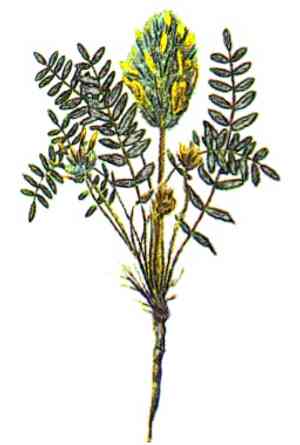
Chinese milk-vetch(Astragalus sinicus)

Chinese milk-vetch (Astragalus sinicus)

Also known as: Chinese Milk Vetch, Field Vetch, Chinese Milk-Vetch

The plant is a soft, herbaceous species with a stem height of 10 to 25 cm. It branches from the root and can extend horizontally up to 60 to 150 cm in warmer regions. The stem tips grow upwards, and sometimes thin stems grow from the root. The leaves are pinnate with nearly oval leaflets that are rounded or slightly indented at the tips, and their size remains consistent from base to tip. The flower stalk emerges from the leaf bud, stands erect, and extends beyond the leaf. At the top of the stalk, flowers are arranged in a circular cluster. The typical flower color is reddish-purple, but occasionally, white or cream variants can be found.

Attributes of Chinese milk-vetch

Lifespan
Biennial, Annual, Perennial
Plant Type
Herb
Plant Height
10 cm to 30 cm
Spread
10-40 cm
Leaf Color
Green
Flower Size
1-2 cm
Flower Color
White Pink Purple

ForwardPlant - Identify plants with a snap

Identify and diagnose plants, get toxicity alerts, and explore safety guides for all types of fungi.

Try for Free

Images of Chinese milk-vetch

Chinese milk-vetch(Astragalus sinicus)

Quickly Identify Chinese milk-vetch

1
Identify Astragalus sinicus by its compound leaves with 9-15 leaflets, pink to purple pea-like flowers, and flat, oblong seed pods. The plant usually grows low to the ground and can form a dense mat of foliage.

Scientific Classification of Chinese milk-vetch

Phylum
Vascular plants
Class
Dicotyledons
Order
Legumes, milkworts and allies
Family
Legume
Genus
Milkvetch
Species
Chinese milk-vetch

Planting and Growing of Chinese milk-vetch

Care Difficulty
Easy
Watering Schedule
Every 3 days
Sunlight Requirements
Partial sun
Sunshine Duration
6-10 hours
Ideal Temperature
60-75℉
Soil Type
Potting Mix, Peat Mix
Soil pH
6-7.5
Fertilizer Type
Balanced
Pruning Season
Spring, Summer
Pruning Area
Branches, Leaves
Pruning Frequency
2 times a year
Repotting Season
Spring
Pot Type
Plastic, Terracotta

water icon How to Water Chinese milk-vetch?

Astragalus sinicus requires approximately 500 ml of water per application. The soil should be moist but not waterlogged. Ensure the top 2-3 cm of soil is dry before the next watering to promote healthy root growth and prevent rot.
What are the symptoms of an underwatered Chinese milk-vetch?
What should I do if my Chinese milk-vetch is not getting enough water?
What are the symptoms of an overwatered Chinese milk-vetch?
How to save an overwatered Chinese milk-vetch?

sunlight icon What Are the Sunlight Requirements for Chinese milk-vetch?

Sunlight Requirements: Partial sun, Full sun
Duration of light: 4 to 6 hours
Astragalus sinicus finds joy in partial to full sun conditions, ideally receiving 4 to 6 hours of morning light. This setup encourages vigorous growth and enhances its flowering potential.
Lighting Needs
Solutions for Ideal Light
Benefits of Perfect Light Exposure
More About Sunlight Requirements Techniques

temperature icon What Is the Ideal Temperature Range for Chinese milk-vetch?

Ideal Temperature: 60 ~ 75℉
The ideal temperature range for Astragalus sinicus falls between 60°F and 75°F. This range provides optimal growing conditions by ensuring appropriate rates of photosynthesis and encouraging healthy plant growth. It helps maintain stable plant metabolism and supports competitive growth alongside other vegetation.

soil icon What Soil is Best for Chinese milk-vetch?

Soil type: Loam, Sandy loam
Soil PH: 6 ~ 7.5
Astragalus sinicus thrives in well-drained soil environments, preventing waterlogging and root rot. Well-drained soil ensures that the plant's roots receive enough oxygen and nutrients, promoting healthier growth and vibrancy. Moderate fertility is key for Astragalus sinicus, as it provides the essential nutrients without overwhelming the plant. This balanced fertility optimizes its flowering and nitrogen-fixing abilities, benefiting surrounding vegetation. A soil pH ranging from slightly acidic to neutral is ideal for Astragalus sinicus. This pH range facilitates the uptake of vital nutrients, supporting robust plant growth and enhancing its resilience against pests and diseases.

fertilize icon How to Fertilize Chinese milk-vetch?

Fertilizer type: Balanced
For Astragalus sinicus, the appropriate fertilizer amount is crucial for optimal growth. Use one teaspoon of a balanced liquid fertilizer diluted with 1 liter of water for each application. Ensure that the soil is moist before applying to avoid root burn.

prune icon How to Prune Chinese milk-vetch?

Pruning Time: Spring, Summer
Start by examining the plant to spot any dead or discolored stems. These should be your first target, as removing them helps in redirecting the plant's energy towards healthier growth. To promote a fuller, bushier plant, prune back the stems by cutting just above a healthy node or bud. This encourages side shoots to develop, leading to a denser plant structure. Prune to maintain the desired aesthetic shape of Astragalus sinicus. Trim wayward branches and create a pleasing form by regularly assessing how new growth is affecting its overall appearance. More About Pruning Techniques

propagate icon How to Propagate Chinese milk-vetch plant?

Propagate Time: Early spring, Spring, Early summer
1
Scarify the Astragalus sinicus seeds by gently rubbing them with sandpaper. This helps to break the seed coat and improve germination rates. Soak the scarified seeds in warm water for 12 to 24 hours before sowing.
2
Fill the seed tray with the sterile potting mix and lightly water it. Sow the prepared seeds on the surface and cover them with a thin layer of the potting mix. Maintain temperature and moisture levels to facilitate successful germination.
3
When seedlings have developed at least two true leaves, they are ready to be transplanted into larger containers. Gradually acclimate the young plants to the outdoor environment to reduce transplant shock.
More About Propagating Techniques

repot icon How to Repot Chinese milk-vetch plant?

Repotting frequency: Every 2-3 years
1
Recognizing when to repot Astragalus sinicus is crucial for its continued health. Look out for signs like roots circling the pot's base, reduced growth, or if the soil struggles to retain moisture. These are clear indicators that it's time to give your plant more space.
2
Selecting the right pot for Astragalus sinicus involves considering size, material, and drainage capabilities. Opt for a pot that's slightly larger than the current one, ensuring at least one drainage hole. A terracotta pot aids in moisture regulation, promoting healthy growth.
3
The ideal soil for repotting Astragalus sinicus is a well-draining, loamy mix. This type of soil ensures the roots do not sit in water, preventing rot. The blend supports nutrient uptake and provides a balanced environment for root expansion, benefiting plant vigor.

ForwardPlant - Identify plants with a snap

Find the best spots for them to optimize their health, simply using your phone.

Try for Free