How to Propagate Bradley's spleenwort?
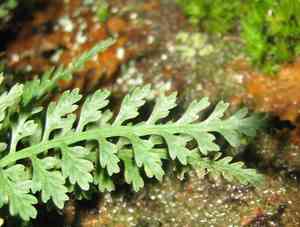
Bradley's spleenwort, a resilient fern frequently encountered in stony environments, flourishes by propagating through spores and also through asexual reproduction. For effective propagation, severing rhizomes and positioning them in a damp, organic-rich medium guarantees fresh development. It is crucial that these cuttings are maintained in a shaded, moist setting to replicate their natural habitat for successful root formation.
Optimal Time for Bradley's Spleenwort Propagation
Propagation Type
Cutting
Propagation Season
Spring,Summer
Tools Required for Bradley's Spleenwort Propagation
Propagation Knife
A sharp, clean propagation knife is crucial for taking precise cuttings from bradley's spleenwort. The knife's clean cut minimizes damage to the plant tissues, reducing the risk of infection and promoting successful rooting.
Rooting Hormone
Rooting hormone powder or gel can significantly enhance root development for bradley's spleenwort. This tool accelerates the formation of roots on cuttings, increasing the chances of successful propagation.
Humidity Dome
Maintaining high humidity levels is crucial for bradley's spleenwort cuttings to prevent desiccation. A humidity dome or propagator creates a controlled environment that retains moisture, ensuring the cuttings remain viable.
Sterilized Potting Medium
Using a sterilized, well-draining potting mix helps prevent soil-borne diseases and provides an ideal environment for bradley's spleenwort cuttings to root. A mix suitable for ferns is typically best.
Spray Bottle
A fine mist spray bottle is used to maintain appropriate moisture levels without oversaturating the potting medium. Regular misting keeps bradley's spleenwort hydrated and healthy during the rooting process.
Heating Mat
A heating mat placed under the propagation tray provides consistent bottom heat, which encourages quicker root development in bradley's spleenwort. This tool is particularly useful in maintaining the optimal temperature for root growth.
Propagation Trays
Using shallow propagation trays helps manage space and makes it easier to monitor the condition of bradley's spleenwort cuttings. These trays are essential for arranging multiple cuttings in an organized manner.
Method for Propagating Bradley's Spleenwort
Propagation Type
Easy
Post-Propagation Care for Bradley's Spleenwort
How to Care for Your Newly Propagated Bradley's Spleenwort?
After rooting, gradually acclimate the young plant to normal humidity levels by removing the plastic bag incrementally over a week. Water it moderately, allowing the soil to dry slightly between watering. Place bradley's spleenwort in a spot with indirect light and maintain a humid environment, either through misting or a humidity tray. Regularly check for pests and ensure the plant is not exposed to drafts or sudden temperature changes.
Common Errors to Avoid When Propagating Bradley's Spleenwort
Overwatering
Excessive watering can lead to root rot and fungal infections which can hinder the plant's growth and survival.
Insufficient Humidity
Failing to maintain adequate humidity levels can cause the plant to dry out and impede new growth.
Inappropriate Soil Mix
Using soil that is too dense or not well-draining can suffocate the roots and prevent proper nutrient uptake.
Incorrect Light Conditions
Exposing the plant to direct sunlight can cause leaf burn, while insufficient light can lead to weak, leggy growth.
Advice for Propagating Bradley's Spleenwort
Use Well-Draining Soil
Employ a mix that includes peat, perlite, and bark to ensure the plant's roots receive enough air and don't become waterlogged.
Maintain High Humidity
Keep humidity levels high around the plant, using a humidity tray or misting regularly to encourage healthy growth.
Water Sparingly
Ensure the soil is moist but not waterlogged. Water when the top soil feels dry to the touch, avoiding water accumulation at the base.
Provide Indirect Light
Place the plant in a location where it receives bright, indirect light, ensuring it avoids direct sun exposure that can damage the leaves.



