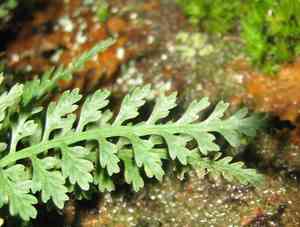
Bradley's spleenwort (Asplenium bradleyi)
Also known as: Bradley's Spleenwort
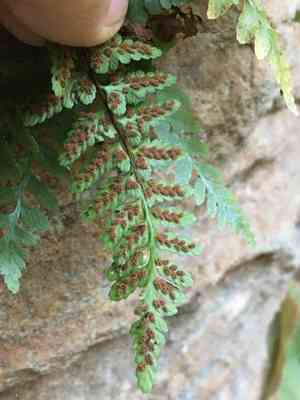
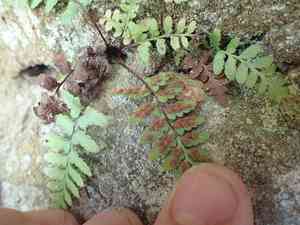
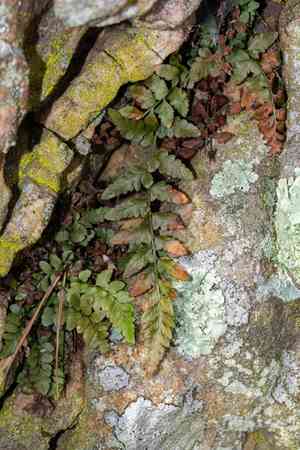
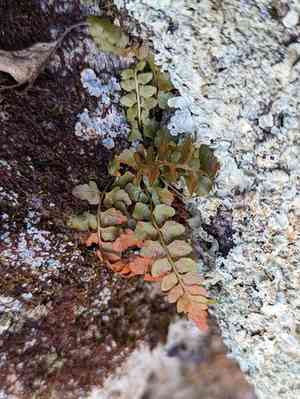
Asplenium bradleyi, or Bradley's spleenwort, is a small fern recognized by its dark green, pinnate to bipinnate fronds that form evergreen, perennial clusters. Key features include a dark, wiry stem that extends into the leaf blade, deeply incised lobes or pinnules at the base of each pinna, and toothed edges on the pinnae. The species prefers to grow on acidic rocks such as sandstone and shale, typically in shaded, moist environments.
In This Article
Attributes of Bradley's spleenwort
Lifespan
Perennial
Plant Type
Herb
Plant Height
10-20 cm
Spread
N/A
Leaf Color
Green, occasionally with a slightly bluish tint
Flower Size
N/A - Asplenium bradleyi does not produce flowers
Flower Color
N/A - Asplenium bradleyi does not produce flowers
Images of Bradley's spleenwort
Quickly Identify Bradley's spleenwort
1
Asplenium bradleyi can be identified by its small, tufty fronds that are pinnate to pinnatifid, with a dark, shiny stipe. The fronds are typically 10-20 cm long.
Scientific Classification of Bradley's spleenwort
Phylum
Vascular plants
Class
Ferns
Order
Polypodiales
Family
Spleenwort
Genus
Spleenworts
Species
Bradley's spleenwort
Planting and Growing of Bradley's spleenwort
Care Difficulty
Moderate
Watering Schedule
Every 4 days
Sunlight Requirements
Partial sun
Sunshine Duration
6-10 hours
Ideal Temperature
60-75℉
Soil Type
Potting Mix, Peat Mix
Soil pH
6.5-7.5
Fertilizer Type
Balanced
Pruning Season
Spring, Summer
Pruning Area
Branches, Leaves
Pruning Frequency
2 times a year
Repotting Season
Spring
Pot Type
Plastic, Ceramic
 How to Water Bradley's spleenwort?
When watering Asplenium bradleyi, aim for about 100 milliliters per session. This fern prefers its soil to be consistently moist but not waterlogged, so it's crucial to provide just enough water to moisten the entire root zone. A good rule of thumb is to water until you see a little bit of water start to drain from the bottom of the pot, ensuring thorough hydration without over-saturation.
What are the symptoms of an underwatered Bradley's spleenwort?
›
What should I do if my Bradley's spleenwort is not getting enough water?
›
What are the symptoms of an overwatered Bradley's spleenwort?
›
How to save an overwatered Bradley's spleenwort?
›
 What Are the Sunlight Requirements for Bradley's spleenwort?
Partial shade with around 3 to 6 hours of indirect sun daily offers Asplenium bradleyi optimal conditions, enhancing its photosynthesis processes and ensuring vibrant growth without overexposure.
What is the optimal amount of sunlight?
›
How can I achieve this ideal light condition?
›
What benefits does ideal lighting bring?
›
 What Is the Ideal Temperature Range for Bradley's spleenwort?
The ideal temperature range for Asplenium bradleyi is between 60°F to 75°F. This range provides a stable environment that supports its growth cycle, ensuring optimal leaf development and vitality. Within this range, the fern is better able to maintain moisture and manage its metabolic processes efficiently.
 What Soil is Best for Bradley's spleenwort?
Asplenium bradleyi thrives best in loam soil due to its excellent moisture retention properties. Proper moisture levels in the soil are crucial for fern health as they help in nutrient absorption and prevent the plant from drying out. Using acidic soil can provide the necessary acidic pH level required by Asplenium bradleyi for optimal nutrient uptake. This helps in promoting lush green foliage and a robust growth pattern in the plant. While retaining moisture, it is vital for the soil to drain effectively to prevent root rot. Loam soil offers such drainage capabilities, thus ensuring the roots remain healthy and the plant stable in growth.
 How to Fertilize Bradley's spleenwort?
For Asplenium bradleyi, it is recommended to use a balanced liquid fertilizer at quarter strength. Avoid over-fertilizing, as ferns are sensitive to excessive nutrient salts. This ensures healthy growth without overwhelming the plant.
 How to Prune Bradley's spleenwort?
Begin pruning by carefully examining your Asplenium bradleyi for any dead or discolored fronds. Use clean, sharp scissors or pruning shears to snip these parts at the base, close to the rhizome without damaging it. Trim overgrown areas to maintain the plant’s aesthetic and ensure good air circulation among the fronds. Remember to sterilize your tools before and after use to prevent the spread of disease.
More About Pruning Techniques→
 How to Propagate Bradley's spleenwort plant?
1
Choose a mature and healthy Asplenium bradleyi plant with a robust appearance. Look for bright green fronds and a well-established root system to ensure success in division.
2
Gently remove the plant from its pot or location without disturbing the roots harshly. Use a trowel to loosen the soil if necessary. This reduces shock and promotes healthier division.
3
Using sharp pruning shears, carefully divide the root ball into smaller sections, ensuring each section has a good set of roots and fronds attached. Avoid damaging the roots while making the division.
 How to Repot Bradley's spleenwort plant?
1
Watch for signs like roots outgrowing the pot or the plant appearing stunted. If the soil is drying out too quickly, it could indicate a need to repot for better moisture retention and root space.
2
Select a pot that is one size larger than the current one, ensuring it has adequate drainage holes. This helps in preventing waterlogging and promotes healthy root development.
3
Opt for a well-draining sandy soil mix that mimics its natural habitat. A good soil mix prevents root rot and provides essential aeration, contributing to the plant's robust growth.



