How to Propagate Aspalathus quinquefolia?
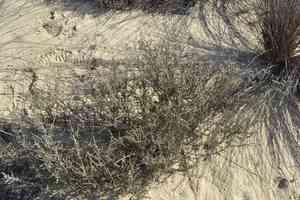
Aspalathus quinquefolia is a member of the Fabaceae botanical family, originating from South Africa as an evergreen woody plant. For successful propagation, utilize a sandy or loamy growing medium that drains effectively. It is advisable to employ semi-hardwood cuttings, as these exhibit greater resistance to pathogens. Immerse the cuttings in a rooting compound to enhance the likelihood of success, sustain elevated moisture levels, and shield them from direct solar exposure to facilitate rapid and robust root formation.
When Is the Best Time to Propagate Aspalathus Quinquefolia?
Propagation Method
Cutting
Propagation Period
Spring,Summer
What Tools Are Needed for Aspalathus Quinquefolia Propagation?
Pruning Shears
Ideal for taking precise sections from the parent plant. They ensure clean cuts, minimizing harm to aspalathus quinquefolia, which is vital for successful rooting.
Rooting Hormone
Aids in stimulating root growth from the cuttings. This is particularly helpful for aspalathus quinquefolia, enhancing the chances of successful propagation.
Propagation Trays
Utilized for planting and stabilizing aspalathus quinquefolia cuttings. They offer a controlled environment, ensuring consistent moisture and temperature.
Humidity Dome
Maintains elevated humidity levels around aspalathus quinquefolia cuttings, crucial during initial stages to prevent drying out and encourage rooting.
Sterile Potting Mix
Provides a clean growing medium, reducing disease risk and ensuring proper aeration for aspalathus quinquefolia cuttings.
Misting Bottle
Used to regularly mist aspalathus quinquefolia cuttings to maintain moisture without over-saturating. This keeps cuttings hydrated and promotes root formation.
Heat Mat
Placed beneath propagation trays to provide warmth from below, which can accelerate the rooting process for aspalathus quinquefolia, especially in cooler climates.
How to Propagate Aspalathus Quinquefolia?
Propagation Difficulty
Moderately Difficult
How to Care for Your Newly Propagated Aspalathus Quinquefolia?
How to Care for Your Newly Propagated Aspalathus Quinquefolia?
Following successful propagation, continue to care for aspalathus quinquefolia by placing it in a spot with bright, indirect light. Water the plant regularly, but prevent waterlogging by ensuring proper drainage. Apply a balanced, slow-release fertilizer during the active growth period to support healthy development. Monitor the plant for pests and diseases, addressing any issues promptly to maintain its overall well-being.
Common Errors to Avoid When Propagating Aspalathus Quinquefolia
Incorrect Soil Type
Using soil that is too compact or retains excessive moisture can lead to root rot and impede growth.
Overwatering
Excessive irrigation can suffocate aspalathus quinquefolia roots, causing them to decay and hindering successful propagation.
Improper Lighting
Placing aspalathus quinquefolia in either too much direct sun or too much shade can stress the plant and decrease propagation success.
Neglecting Humidity
Aspalathus quinquefolia requires a specific humidity level for optimal growth, and failing to maintain this can hinder root development.
Incorrect Cuttings
Using cuttings that are unhealthy or taken from unsuitable parts of the plant can lower the probability of successful rooting.
Tips For Propagating Aspalathus Quinquefolia
Use Well-Draining Soil
Choose a soil mix that ensures good drainage to prevent water accumulation and root rot, fostering healthy root development.
Moderate Watering
Water aspalathus quinquefolia moderately, ensuring the soil remains moist but never waterlogged to prevent root suffocation.
Optimal Lighting
Position aspalathus quinquefolia in an area with indirect sunlight to ensure it receives adequate light without being overexposed.
Maintain Humidity
Create a humid environment, possibly using a humidity dome or frequent misting, to mimic aspalathus quinquefolia's natural conditions and support root growth.
Healthy Cuttings
Select healthy, disease-free cutting sections from mature, vigorous parts of aspalathus quinquefolia for the best chance at successful rooting and growth.



