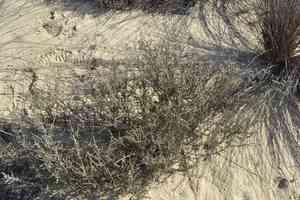
Aspalathus quinquefolia (Aspalathus quinquefolia)
Also known as: Taaibos, Rough Bush
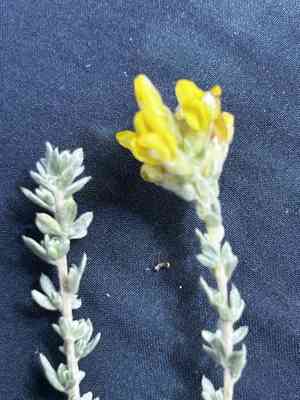
Aspalathus quinquefolia is a hardy shrub characterized by its slender, five-leaved branches that stand out against its tough, woody stems. This plant flourishes in rocky, nutrient-poor soils and produces vibrant yellow flowers that bloom under intense sunlight. Its unique leaf structure and eye-catching flowers make Aspalathus quinquefolia a notable species in dry, arid regions.
In This Article
Attributes of Aspalathus quinquefolia
Lifespan
Perennial
Plant Type
Shrub
Plant Height
50-100 cm
Spread
50-100 cm
Leaf Color
Green
Flower Size
1-2 cm
Flower Color
Yellow
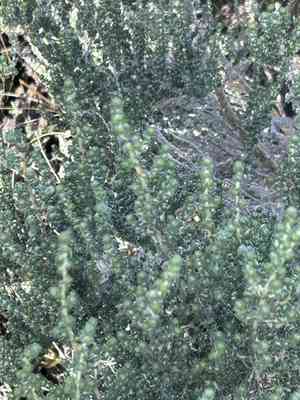
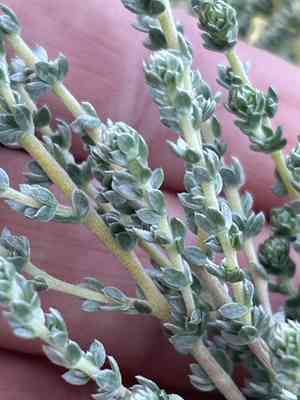
Images of Aspalathus quinquefolia
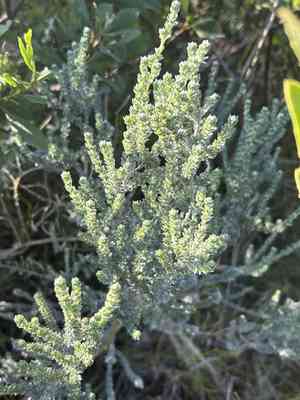
Quickly Identify Aspalathus quinquefolia
1
To identify Aspalathus quinquefolia, look for a shrub with tough, needle-like leaves that grow in clusters of five. The plant produces small, yellow flowers in a dense raceme.
Scientific Classification of Aspalathus quinquefolia
Phylum
Vascular plants
Class
Dicotyledons
Order
Fabales
Family
Legume
Genus
Cape gorse
Species
Aspalathus quinquefolia
Planting and Growing of Aspalathus quinquefolia
Care Difficulty
Moderate
Watering Schedule
Every 2 days
Sunlight Requirements
Full sun
Sunshine Duration
6-10 hours
Ideal Temperature
68-77℉
Soil Type
Potting Mix, Peat Mix
Soil pH
6.5-7.5
Fertilizer Type
Balanced
Pruning Season
Spring, Summer
Pruning Area
Branches, Leaves
Pruning Frequency
2 times a year
Repotting Season
Spring
Pot Type
Plastic, Ceramic
 How to Water Aspalathus quinquefolia?
Aspalathus quinquefolia requires consistent yet moderate watering. It's essential to ensure the soil is thoroughly moistened without becoming waterlogged. Pour approximately 250 ml of water until it begins to drain slightly from the bottom, indicating the soil's saturation point has been reached.
What are the symptoms of an underwatered Aspalathus quinquefolia?
›
What should I do if my Aspalathus quinquefolia is not getting enough water?
›
What are the symptoms of an overwatered Aspalathus quinquefolia?
›
How to save an overwatered Aspalathus quinquefolia?
›
 What Are the Sunlight Requirements for Aspalathus quinquefolia?
The ideal light range for Aspalathus quinquefolia falls within full to partial sun, ideally no less than 4-6 hours of sunlight daily. Proper lighting fosters lush growth, vigorous flowering, and strengthened resilience against pathogens.
What is the ideal light condition for Aspalathus quinquefolia?
›
What can be used to manage the plant's exposure to light?
›
How does ideal light affect the plant's health?
›
 What Is the Ideal Temperature Range for Aspalathus quinquefolia?
The ideal temperature range for cultivating Aspalathus quinquefolia is between 68°F and 77°F. This range allows the plant to photosynthesize efficiently and supports optimal growth and blooming. Maintaining these temperatures encourages healthy metabolism and vibrant foliage.
 What Soil is Best for Aspalathus quinquefolia?
Aspalathus quinquefolia thrives best in well-draining soil, ensuring healthy root development and minimizing the risk of root rot. Good drainage allows excess water to escape easily, preventing waterlogging that can suffocate the roots and cause fungal diseases. This plant prefers soil of moderate fertility, which means nutrient-rich but not overly fertilized. A balanced supply of nutrients supports optimal growth and flowering without promoting excessive foliage at the expense of blooms. A sandy texture is essential for Aspalathus quinquefolia, offering loose soil that promotes root penetration and aeration. This facilitates strong root networks and makes nutrients and water readily accessible, ensuring resilient and vibrant growth.
 How to Fertilize Aspalathus quinquefolia?
For Aspalathus quinquefolia, the optimal fertilizer amount should be moderate. A liquid fertilizer solution should be diluted to half the recommended strength. Use approximately 200ml per plant to avoid overwhelming the root system while providing necessary nutrients.
 How to Prune Aspalathus quinquefolia?
Begin pruning Aspalathus quinquefolia in early spring or summer, focusing on removing old, dead, or damaged growth first. Use sharp shears to cut at an angle just above a bud to encourage healthy new shoots. To maintain a compact shape, trim the tips of longer branches and encourage lateral growth. This approach not only enhances the plant's appearance but also supports better air circulation and sunlight penetration.
More About Pruning Techniques→
 How to Propagate Aspalathus quinquefolia plant?
1
Collect ripe seeds from Aspalathus quinquefolia and soak them in water for 12-24 hours to soften the seed coat, which encourages germination. Then plant them in seed trays filled with a good seed-starting mix.
2
Select healthy, non-flowering stems from the plant. Cut these sections just below a node using clean secateurs. Each cutting should be approximately 10-15 cm in length.
3
Dip the cut ends of the cuttings in rooting hormone to promote faster root development. Plant them in pots with a well-draining soil mix, and provide adequate warmth and indirect sunlight for optimal rooting.
 How to Repot Aspalathus quinquefolia plant?
1
Aspalathus quinquefolia signals the need for repotting when roots start circling the base or peeking out of the drainage holes. Ideally, repotting should occur in early spring or autumn, marking periods when the plant is not flowering and can focus on root establishment.
2
Choose a pot that's one size larger with good drainage holes. This prevents waterlogging, which Aspalathus dislikes. Terracotta pots are ideal as they allow the soil to breathe, maintaining a moderate moisture level that this plant prefers.
3
A well-draining sandy mix is essential to mimic the plant's natural environment. Such soil prevents root rot by allowing excess water to escape and supports the free airflow that Aspalathus quinquefolia thrives in.
Learn More About Aspalathus quinquefolia Diseases
Anthracnose
Bacterial Leaf Spot
Bacterial Wilt
Crown Gall
Cyst Nematode
Damping-off
Downy Mildew
Drought Stress
Fusarium Wilt
Gray Mold
Leaf Curl
Leaf Spot
Mosaic
Nutrient Deficiency
Nutrient Toxicity
Powdery Mildew
Root Rot
Root-knot Nematode
Rusts
Sooty Mold
Spider Mites
Temperature Stress
Thrips Damage
White Mold



