How to Propagate Havard's threeawn?
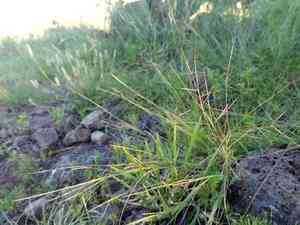
Recognized for its clustered development in dry environments, havard's threeawn is multiplied by dividing its rootball. Gently detach the clusters to prevent harm to the root system, then promptly re-establish them in substrate that drains effectively. This approach fosters robust development and guarantees the plant's hardiness. Minimizing root disruption is crucial for successful multiplication, rendering this method efficient for preserving havard's threeawn's form and vigor.
Optimal Period for Havard's Threeawn Propagation?
Propagation Method
Splitting
Propagation Period
Spring,Autumn
Tools Required for Havard's Threeawn Propagation?
Garden Fork
A garden fork is vital for loosening the earth around havard's threeawn clumps. It aids in gently lifting the entire root system without harm. This tool is particularly useful due to its capacity to penetrate compact ground where havard's threeawn typically thrives.
Hand Pruners
Hand pruners are essential for cutting through roots and stems when dividing havard's threeawn. They offer precision and enable clean cuts, which is crucial for the plant's recovery and minimizing stress during the division process.
Sharp Spade
A sharp spade is beneficial for digging around and beneath the havard's threeawn clump, assisting with the physical separation of the plant. Its sharp edge ensures a clean division, lowering the risk of root damage.
Root Knife
A root knife is employed to carefully separate tangled havard's threeawn roots during division. It helps ensure each divided section possesses an adequate root system and encourages better re-establishment post-transplant.
Watering Can
A watering can provides controlled and gentle irrigation for the newly divided havard's threeawn sections. Proper hydration is key to reducing transplant shock and fostering robust root development.
Plant Labels
Plant labels assist in tracking newly divided havard's threeawn sections, ensuring proper identification and organization within the garden or nursery.
Compost or Mulch
Compost or mulch is applied to newly transplanted havard's threeawn pieces to retain moisture, regulate soil temperature, and enhance soil structure. This is critical for providing an optimal environment for root recovery and growth.
How to Propagate Havard's Threeawn?
Propagation Difficulty
Simple
Caring for Your Newly Propagated Havard's Threeawn?
Caring for Your Newly Propagated Havard's Threeawn?
Post-propagation, havard's threeawn needs consistent moisture during its establishment phase. Avoid excessive watering to prevent root rot. Ensure the plant receives ample sunlight for optimal growth. Monitor for pests and diseases, addressing any issues promptly. As havard's threeawn matures, it becomes more drought-tolerant, but regular checks will support healthy development.
Common Errors to Avoid When Propagating Havard's Threeawn
Overwatering
Excessive moisture can lead to root decay and fungal infections, impeding the plant's ability to establish itself.
Incorrect Soil Choice
Using rich or dense soil can negatively impact root development, as havard's threeawn prefers well-draining, sandy soil.
Insufficient Light
Lack of sunlight can hinder photosynthesis, resulting in weak and elongated growth.
Overcrowding Seeds or Plants
Planting too closely together can cause competition for nutrients and light, diminishing overall vigor.
Tips for Propagating Havard's Threeawn
Adequate Drainage
Ensure the soil drains exceptionally well to prevent root rot. Incorporate sand or gravel if necessary to improve soil structure.
Light Exposure
Position havard's threeawn in a spot where it receives full sun for most of the day, which will support healthy development.
Correct Spacing
Maintain appropriate distances between plants to reduce competition and encourage stronger root systems.
Soil Composition
Utilize well-draining, sandy soil that mimics the plant's natural environment, ensuring better adaptation and growth.
Watering Balance
Water sparingly and only when the soil feels dry to the touch. Avoid waterlogging to prevent root diseases.



