How to Propagate Montara manzanita?
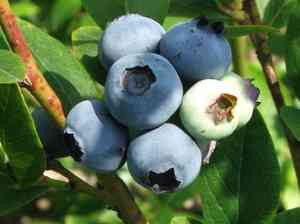
Arctostaphylos montaraensis is a distinct variety recognized for its thick, perennial leaves. Vegetative reproduction via cuttings entails choosing robust, semi-lignified segments, preferably from the present year's growth. Maintaining moisture for the cuttings and situating them in a substrate that drains effectively is crucial. Rooting stimulant can considerably boost the outcome. Steady atmospheric moisture and diffused light foster ideal root formation. Frequent observation guarantees flourishing specimens.
Optimal Period for Montara Manzanita Propagation
Propagation Type
Cutting
Propagation Season
Spring,Summer
Tools Utilized in Montara Manzanita Propagation
Sharp Pruners
Sharp pruners are crucial for obtaining clean cuttings from montara manzanita. Precise cuts minimize disease risk and allow the cutting's surface to properly absorb water and nutrients.
Rooting Hormone
Rooting hormone aids in stimulating root formation in montara manzanita cuttings. It is especially beneficial as it enhances the likelihood of successful rooting, particularly for plants that may not root easily.
Sterilized Potting Medium
A sterilized potting medium offers a pathogen-free environment for montara manzanita cuttings. This is vital for preventing fungal infections and fostering robust root development.
Propagation Trays with Humidity Dome
Propagation trays with a humidity dome assist in sustaining elevated humidity levels around montara manzanita cuttings. This is advantageous as it prevents the cuttings from dehydrating and supports rooting.
Spray Bottle
A spray bottle is employed for misting the cuttings and preserving sufficient moisture levels. Keeping the cuttings hydrated is essential for successful propagation.
Heat Mat
A heat mat supplies bottom warmth to the propagation trays, which can encourage root growth in montara manzanita cuttings by maintaining an ideal soil temperature.
Labeling Tags
Labeling tags help track the propagation date and specific details about montara manzanita cuttings, ensuring proper monitoring and care throughout the propagation process.
Method for Propagating Montara Manzanita
Propagation Type
Moderately Difficult
Post-Propagation Care for Your Montara Manzanita
How to Care for Your Newly Propagated Montara Manzanita?
Once the cuttings have established a strong root system, gradually introduce them to outdoor conditions by lowering humidity and increasing light exposure over 1-2 weeks. Transplant the rooted cuttings into individual containers with well-draining soil. Water them thoroughly but allow the soil to dry slightly between waterings. For outdoor placement, select a sunny location with good drainage and shield young plants from extreme temperatures and strong winds. Regularly inspect for pests and diseases, and prune as needed to maintain the desired form.
Common Errors to Avoid When Propagating Montara Manzanita
Overwatering
Excessive watering can lead to root rot, which severely impedes root development and can kill the plant.
Improper Soil Mix
Utilizing a dense or poorly draining soil mix can suffocate roots, hindering successful plant propagation.
Insufficient Light
Providing inadequate light can result in weak, elongated growth, diminishing the chances of successful propagation.
Incorrect Cutting Technique
Using dull tools or taking unsuitable cuttings can harm plant tissues and reduce the viability of the cuttings.
Lack of Humidity Control
Failing to maintain appropriate humidity levels can cause cuttings to dry out, leading to propagation failure.
Advice for Propagating Montara Manzanita
Well-Draining Soil
Employ a well-draining soil mix to prevent root rot and ensure healthy root development.
Moderate Watering
Water moderately to keep the soil moist but not saturated. Allow the top layer to dry out between waterings to prevent root diseases.
Adequate Light
Provide bright, indirect light to ensure the cuttings develop strong and healthy growth.
Sharp, Sterile Tools
Use sharp, sterile tools for taking cuttings to minimize tissue damage and reduce infection risk.
Maintain Humidity
Create a humid environment by using a propagation dome or misting cuttings regularly to prevent them from drying out.



