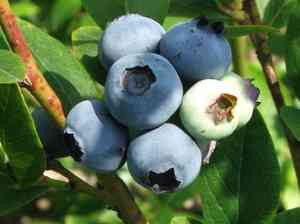
Montara manzanita (Arctostaphylos montaraensis)
Also known as: Montara Manzanita
Arctostaphylos montaraensis, or Montara manzanita, is a shrub that ranges in height from 0.5 to 5 meters, depending on its environment, particularly thriving on exposed granite outcrops. It features multiple trunks and stems covered in deep reddish-brown bark. The young twigs and budding flower clusters are adorned with glandular bristles.
In This Article
Attributes of Montara manzanita
Lifespan
Perennial
Plant Type
Shrub
Plant Height
4 to 6 feet (1.2 to 1.8 meters)
Spread
4 to 8 feet (1.2 to 2.4 meters)
Leaf Color
Dark green
Flower Size
0.2 to 0.4 inches (0.5 to 1 cm)
Flower Color
White to pink
Images of Montara manzanita
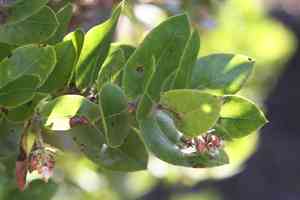
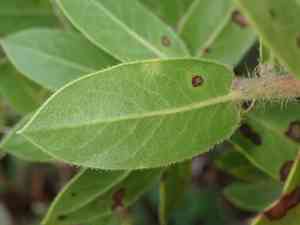
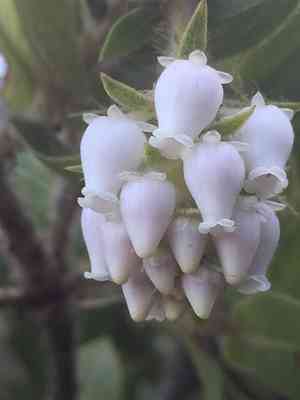
Quickly Identify Montara manzanita
1
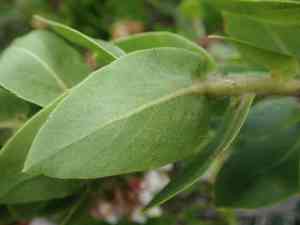
To identify Arctostaphylos montaraensis, look for its reddish-brown bark, oblong to elliptic dark green leaves, and white to pink urn-shaped flowers. The leaves are leathery and have a fine texture. The shrub typically has a sprawling, irregular shape.
Scientific Classification of Montara manzanita
Phylum
Vascular plants
Class
Dicotyledons
Order
Ericales
Family
Heath
Genus
Arctostaphylos
Species
Montara manzanita
Planting and Growing of Montara manzanita
Care Difficulty
Hard
Watering Schedule
Every 2 days
Sunlight Requirements
Full sun
Sunshine Duration
4-6 hours
Ideal Temperature
50-70℉
Soil Type
Potting Mix, Peat Mix
Soil pH
6.5-7.5
Fertilizer Type
Balanced
Pruning Season
Spring, Summer
Pruning Area
Branches, Leaves
Pruning Frequency
2 times a year
Repotting Season
Spring
Pot Type
Plastic, Ceramic
 How to Water Montara manzanita?
Arctostaphylos montaraensis prefers infrequent but deep watering. Ensure that you water the plant until the top 5-7 cm of soil is moist but not soggy. This ensures that the roots receive sufficient moisture without sitting in water.
What are the symptoms of an underwatered Montara manzanita?
›
What should I do if my Montara manzanita is not getting enough water?
›
What are the symptoms of an overwatered Montara manzanita?
›
How to save an overwatered Montara manzanita?
›
 What Are the Sunlight Requirements for Montara manzanita?
The ideal light range for Arctostaphylos montaraensis is full sun or partial sun. Adequate sunlight is crucial for its photosynthetic needs, improving growth and ensuring optimal health and flowering potential.
What is the ideal lighting condition for Arctostaphylos montaraensis?
›
How to achieve ideal lighting for Arctostaphylos montaraensis?
›
What are the benefits of ideal lighting for Arctostaphylos montaraensis?
›
 What Is the Ideal Temperature Range for Montara manzanita?
For optimal growth of Arctostaphylos montaraensis, maintaining a temperature range of 50 to 70 degrees Fahrenheit is ideal. This range ensures that the plant has the right conditions for photosynthesis and nutrient absorption, leading to healthy growth and development. Consistently maintaining this range will help in achieving vibrant foliage and robust plant health.
 What Soil is Best for Montara manzanita?
Arctostaphylos montaraensis thrives in soils that offer excellent drainage. This minimizes root rot and promotes healthy root development, ensuring the plant absorbs nutrients efficiently. This plant prefers moderately fertile soil, which provides enough nutrients without overwhelming the delicate root system. It's perfect for maintaining balanced growth and foliage health. Loose, well-aerated soil enhances root expansion and oxygen flow, which are crucial for the robust growth of Arctostaphylos montaraensis, contributing to its overall vigor.
 How to Fertilize Montara manzanita?
Arctostaphylos montaraensis requires careful consideration of fertilizer quantity. For liquid fertilizers, use a well-diluted solution, such as a 10-10-10 NPK formula, at a rate of half a teaspoon per gallon of water. For slow-release fertilizers, incorporate around 1 pound per 100 square feet of soil. This ensures that the plant receives the necessary nutrients without overwhelming its system.
 How to Prune Montara manzanita?
Start by examining the plant for any dead or diseased branches. These are the primary candidates for removal. Cut them back to the healthy part of the branch or to the base to prevent any diseases from spreading, ensuring that you cut at a 45-degree angle to promote callus formation and hinder water from collecting, which could lead to decay. Once the unhealthy branches are removed, focus on shaping your plant. Trim back any overly long branches to maintain a balanced, appealing silhouette. This is especially crucial if the plant is being used in landscape designs or as a specimen plant. Such balance ensures that the plant remains symmetrical and visually appealing from all sides. One of the primary goals of pruning is to improve airflow through the plant, reducing the risk of fungal diseases. Trim any branches that are crossing or congested to open up the plant’s interior. This will enhance light penetration, further encouraging robust growth throughout the plant's structure.
More About Pruning Techniques→
 How to Propagate Montara manzanita plant?
1
Start by selecting a container with good drainage. Fill it with a seed-starting mix, which provides a light and sterile base for seed germination. Moisten the mix slightly before planting the seeds.
2
Choose healthy and disease-free stems for cuttings. Cut a section of about 4 to 6 inches with at least two nodes. Remove leaves from the lower half and dip the cut end in rooting hormone to stimulate growth.
3
For seeds, sow them lightly and cover them with a thin layer of the soil mix. Mist the soil to maintain moisture. For cuttings, insert them into the soil, ensuring they're stable. Water lightly to keep the soil moist but not waterlogged.
 How to Repot Montara manzanita plant?
1
You'll know it's time to repot Arctostaphylos montaraensis when you notice its roots are peeking out through the drainage holes of the current pot or if the plant has become top-heavy and is starting to tip over. A slowdown in growth despite proper care can also indicate the need for repotting. The best signals are definitely the visible roots and the plant looking crowded or cramped.
2
Choose a pot that is slightly larger than the current one but not too large, as a too-large pot retains too much moisture and can lead to root rot. Opt for a pot with good drainage to ensure excess water can escape, which helps to prevent waterlogging and promotes healthier root systems.
3
Select a well-draining sandy mix, ideally containing a blend of horticultural sand, perlite, and a small amount of organic material. This type of soil mimics the plant's natural environment, promoting aeration and preventing root rot by not retaining excess moisture.
Learn More About Montara manzanita Diseases
Anthracnose
Bacterial Leaf Spot
Bacterial Wilt
Crown Gall
Cyst Nematode
Damping-off
Downy Mildew
Drought Stress
Fusarium Wilt
Gray Mold
Leaf Curl
Leaf Spot
Mosaic
Nutrient Deficiency
Nutrient Toxicity
Powdery Mildew
Root Rot
Root-knot Nematode
Rusts
Sooty Mold
Spider Mites
Temperature Stress
Thrips Damage
White Mold



