How to Propagate Jones' columbine?
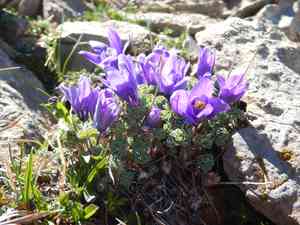
Aquilegia jonesii, a perennial found at elevated altitudes, flourishes in porous, sandy substrates. To propagate Aquilegia jonesii, disperse seeds on the soil's surface, leaving them uncovered, as light facilitates sprouting. Cold stratification, replicating natural frigid cycles, boosts germination rates. Maintaining steady hydration is essential, but prevent excessive saturation. Gentle handling is crucial due to its fragile characteristics, ensuring prosperous development. Employing seed flats instead of direct planting can offer superior management of germination environments.
Optimal Period for Propagating Jones' Columbine?
Propagation Method
Seeding
Propagation Period
Spring
Tools Required for Jones' Columbine Propagation?
Seed Trays
Crucial for initiating jones' columbine seeds. They offer a controlled setting for seedlings to sprout and begin their initial development. Trays with individual cells are especially beneficial for giving each seed its own space without competition.
Seedling Heat Mat
Helps maintain a steady temperature within the ideal range for jones' columbine seed germination. The mat ensures the soil temperature stays warm, encouraging quicker and more uniform sprouting.
Humidity Dome
Placed over seed trays, a humidity dome maintains high moisture levels, which is vital for jones' columbine seeds during germination. This prevents soil from drying out and ensures consistent hydration.
Potting Mix
A sterile, well-draining potting mix is essential for sowing jones' columbine seeds. The mix provides necessary nutrients and good air circulation for successful seedling growth.
Labeling Stakes
Important for tracking jones' columbine seedlings, especially when propagating multiple varieties or species. Labels help prevent confusion and ensure proper care and monitoring of each plant type.
Fine Mist Spray Bottle
Used to gently water seedlings without disturbing the soil or delicate jones' columbine seedlings. This tool ensures the soil remains moist but not overly wet.
Transplanting Tool
When jones' columbine seedlings are large enough, a small transplanting tool helps safely move them from seed trays to larger pots or their final garden spot without root damage.
How to Propagate Jones' Columbine?
Propagation Type
Simple
How to Care for Your Newly Propagated Jones' Columbine?
How to Care for Your Newly Propagated Jones' Columbine?
After transplanting, ensure jones' columbine receives sufficient water for root establishment, typically by keeping the soil consistently moist but not saturated. Apply mulch around the base to retain soil moisture and regulate temperature. Provide support if needed and shield young plants from harsh weather and pests. Fertilize sparingly, as excessive fertilization can harm jones' columbine's growth. Prune dead or damaged foliage to maintain plant health and appearance.
Common Mistakes to Avoid When Propagating Jones' Columbine
Overwatering
Excessive moisture can lead to root rot and fungal diseases, hindering propagation success.
Using Heavy Soil
Dense soil can result in poor drainage and limited root aeration, which are detrimental to young plants.
Insufficient Light
Jones' columbine needs adequate light; too little light can cause weak, elongated growth.
Improper Temperature
Propagating in temperatures that are too high or too low can stress the plant and impede growth.
Neglecting Pest Control
Ignoring pests can lead to infestations that stunt growth and damage young plants.
Tips For Propagating Jones' Columbine
Well-Draining Soil
Utilize a soil mix that provides good drainage to prevent waterlogging and root rot.
Moderate Watering
Water the plant just enough to keep the soil moist but not saturated, avoiding the risk of rot.
Adequate Light
Ensure jones' columbine receives ample indirect light to promote strong, healthy growth.
Optimal Temperature
Maintain a stable, moderate temperature to support the plant's growth and development.
Pest Monitoring
Regularly check for pests and manage them promptly to protect young plants from damage.



