How to Propagate American Groundnut?
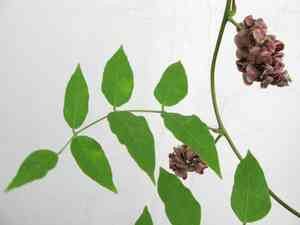
Apios americana flourishes when reproduced via tuber separation, guaranteeing a simple and efficient growing method. Cultivators ought to choose sound tubers, preferably possessing several growth points, and embed them in rich, adequately draining earth. Verify that every piece is positioned at a depth where the growth points are just beneath the soil's top layer, aiding in ideal shoot development. Consistent irrigation and preventing excessive density by correctly spacing the tubers will foster vigorous development.
Optimal Time for American Groundnut Propagation
Propagation Type
Sowing
Propagation Season
Spring
Tools for American Groundnut Propagation
Seed trays
Seed trays are shallow containers for indoor seed starting. For american Groundnut, they offer controlled soil conditions and easy moisture management, vital for germination. Tray size and depth should match american Groundnut's seed size, ensuring ample root development space.
Peat pots
Peat pots provide a biodegradable option for american Groundnut's seedlings, allowing transplanting without root disturbance. This is particularly beneficial for american Groundnut, minimizing transplant shock and promoting healthier growth. Peat pots can be directly planted, decomposing to improve soil structure.
Misting bottle
A misting bottle gently waters american Groundnut's seeds and seedlings, keeping soil moist but not saturated. This moisture control is crucial for seed germination and early seedling health, preventing issues like damping-off from excessive wetness.
Soil thermometer
A soil thermometer monitors soil temperature, ensuring optimal germination conditions for american Groundnut. Temperature is critical for american Groundnut's seed propagation, and maintaining the recommended soil temperature encourages successful germination and early growth.
Soil mix
A well-draining soil mix for seed germination provides essential nutrients and support for american Groundnut's seeds. The ideal mix should be loose, rich in organic matter, and free of debris to promote healthy root development and aeration, boosting germination rates.
Propagating American Groundnut
Propagation Type
Easy
Caring for Newly Propagated American Groundnut
Caring for Newly Propagated American Groundnut
Once established, american Groundnut needs minimal care. Water during prolonged dry spells to support growth and tuber development. As a climbing plant, install supports or a trellis for vines to climb, aiding healthy growth and easier tuber harvesting. Monitor for pests and diseases, especially common bean pests, and manage them as needed. Lightly fertilize if growth is slow, particularly in poor soils.
Common Propagation Mistakes for American Groundnut
Overwatering during propagation
Excessive watering of american Groundnut can lead to root rot and fungal infections. This error can severely impair root health, hindering the plant's ability to establish and thrive.
Planting tubers too shallow
When american Groundnut tubers are planted too superficially, they may be exposed to temperature fluctuations and surface disturbances, which can impede growth and reduce survival rates.
Ignoring pre-treatment of tubers
Failing to properly prepare american Groundnut tubers before planting can result in poor germination and growth. Pre-treatment is vital to stimulate the biological processes necessary for successful propagation.
Tips for Propagating American Groundnut
Adequate soil preparation
Ensuring well-aerated soil rich in organic matter is crucial for american Groundnut. Proper soil conditions promote better root development and overall plant health.
Appropriate watering regimen
Maintaining a balanced watering schedule is critical. The soil should remain moist but not waterlogged to support american Groundnut's growth without risking root diseases.
Strategic placement of tubers
Tubers should be planted at an appropriate depth, typically 2-4 inches, and spaced adequately for sufficient growth. Proper depth and spacing are essential for robust development and reproduction.



