How to Propagate Field parsley piert?
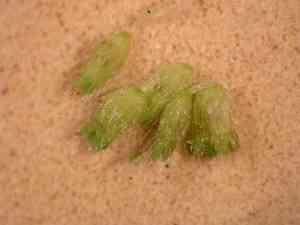
Field parsley piert flourishes when its seeds are directly planted in soil that drains effectively, as it is accustomed to developing in less nutrient-rich ground. Provide a location with ample sunlight and proper air movement to encourage robust development. Its abundant growth habit should lead to a thick covering over time, making field parsley piert a straightforward species for novice gardeners to multiply.
Optimal Time for Field Parsley Piert Propagation
Propagation Method
Seeding
Propagation Period
Spring
Tools for Field Parsley Piert Propagation
Seed trays
Seed trays are essential for the controlled and effective sprouting of field parsley piert's seeds. Their shallow compartments allow for even seed distribution, reducing congestion and promoting uniform development. The compact design helps maintain moisture and warmth, crucial for successful field parsley piert germination.
Potting mix
A premium, well-draining potting mix supports the initial growth phases of field parsley piert by allowing delicate roots to easily penetrate and access vital nutrients. The mix should ideally be light and contain components like peat or vermiculite to retain adequate moisture without waterlogging the roots.
Fine mist spray bottle
This tool is vital for gently watering field parsley piert seeds without disturbing their position in the soil. The fine mist provides consistent moisture necessary for germination, minimizing the chance of washing away tiny seeds or causing them to clump.
Grow lights (optional)
Especially beneficial in areas with insufficient natural sunlight, grow lights can provide consistent and ample light exposure needed for field parsley piert's growth after germination, mimicking ideal growing conditions to strengthen seedlings.
Labeling sticks
Labeling sticks in seed trays help monitor field parsley piert's progress and ensure specific growing conditions, such as light exposure and moisture levels, are consistently met. This is crucial for tracking developmental variations and needs during early growth stages.
How to Propagate Field Parsley Piert
Propagation Type
Simple
Caring for Newly Propagated Field Parsley Piert
Caring for Newly Propagated Field Parsley Piert
After propagation, continue to provide field parsley piert with light watering, ensuring the soil remains damp but not saturated. As a low-maintenance plant, field parsley piert does not require frequent fertilization; a light feeding with a balanced fertilizer once during the growing season is sufficient. Monitor for pests and diseases, though field parsley piert is typically robust. Allow some plants to self-seed naturally to ensure future growth.
Common Errors to Avoid When Propagating Field Parsley Piert
Overwatering
Excessive watering can lead to root rot and fungal issues, as field parsley piert prefers well-drained soil. Too much moisture reduces oxygen availability to the roots, harming plant health and decreasing propagation success.
Deep Sowing
Planting seeds too deeply can hinder germination, as field parsley piert's seeds require light to sprout effectively. Burying the seeds can prevent them from emerging, thus failing the propagation process.
Neglecting Light Requirements
Failure to provide adequate light can result in poor germination and weak seedling development. Field parsley piert thrives in bright environments, and insufficient light can stunt growth or prevent sprouting.
Crowding Seeds
Sowing seeds too closely together can lead to competition for light, space, and nutrients. This overcrowding can result in weaker plants and reduced propagation success.
Ignoring Soil Conditions
Using soil that is too dense or poorly draining can impede root growth and water runoff, negatively impacting the health of field parsley piert. This can lead to poor plant vigor and unsuccessful propagation.
Tips For Propagating Field Parsley Piert
Surface Sowing
Since field parsley piert seeds need light to germinate, they should be sown on the soil surface and barely covered. This maximizes light exposure and improves germination rates.
Maintain Moisture
Keeping the soil moist but not waterlogged is crucial. Use a fine spray to gently water the seeds without dislodging them, providing the ideal moisture level for germination without the risk of rotting.
Provide Adequate Light
Field parsley piert requires ample light to germinate and grow. Ensure the planting area is well-lit, possibly using grow lights if natural light is insufficient, to support healthy growth and successful propagation.
Use Well-Draining Soil
Select a well-draining soil mixture to prevent waterlogging and support healthy root development. A blend of loam, sand, and peat can create an ideal growing environment for field parsley piert.
Space Seeds Appropriately
When sowing seeds, space them adequately to prevent crowding. This allows each seedling sufficient room to access nutrients and grow without competition, leading to stronger, healthier plants.



