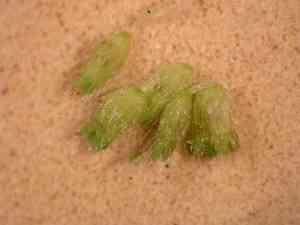
Field parsley piert (Aphanes arvensis)
Also known as: Parsley piert, Colicwort, Break-stone
Persian speedwell, also known as bird's-eye speedwell, is a wildflower found in many regions and often behaves like a weed in gardens and cultivated fields. Its Latin name, Veronica persica, translates to 'unnoticed,' highlighting its tendency to blend into its surroundings.
In This Article
Attributes of Field parsley piert
Lifespan
Annual
Plant Type
Herb
Plant Height
2 cm to 20 cm
Spread
7 cm to 20 cm
Leaf Color
Green
Flower Size
2.5 cm
Flower Color
Yellow Green
Images of Field parsley piert
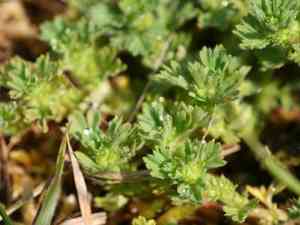
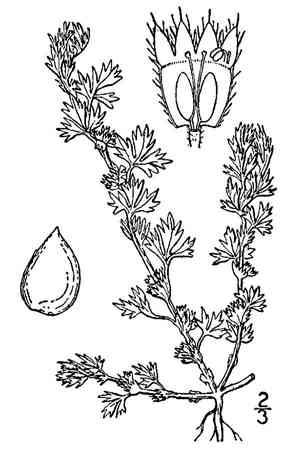
Quickly Identify Field parsley piert
1
Green, petal-less flowers in dense clusters with leaf-like stipules.
2
Oval, pointed achene fruit with smooth, glabrous surface and subtle brown coloring.
3
Gray-green leaves with three deeply-lobed segments and visible vein pattern.
4
Slender, green stem with fine, slightly hairy texture and intricate branching.
5
Diminutive plant rarely exceeding 8 inches (20 cm) in height, with bushy appearance.
Scientific Classification of Field parsley piert
Phylum
Vascular plants
Class
Dicotyledons
Order
Rosales
Family
Rose
Genus
Aphanes
Species
Field parsley piert
Planting and Growing of Field parsley piert
Care Difficulty
Easy
Watering Schedule
Every 3 days
Sunlight Requirements
Partial sun
Sunshine Duration
6-8 hours
Ideal Temperature
50-77℉
Soil Type
Potting Mix, Peat Mix
Soil pH
6.5-7.5
Fertilizer Type
Balanced
Pruning Season
Spring, Summer
Pruning Area
Branches, Leaves
Pruning Frequency
2 times a year
Repotting Season
Spring
Pot Type
Plastic, Ceramic
 How to Water Field parsley piert?
Aphanes arvensis, also known as field parsley-piert, requires moderate watering. The guideline is to keep the soil consistently moist but not waterlogged. Aim for a deep soaking until water emerges from the drainage holes, which usually translates to about 200 ml per watering session.
What are the symptoms of an underwatered Field parsley piert?
›
What should I do if my Field parsley piert is not getting enough water?
›
What are the symptoms of an overwatered Field parsley piert?
›
How to save an overwatered Field parsley piert?
›
 What Are the Sunlight Requirements for Field parsley piert?
Partial sun is ideal for Aphanes arvensis, ensuring balanced photosynthesis without the stress of too much heat. Optimal light exposure encourages dense foliage, vibrant color, and resilient growth.
More About Sunlight Requirements Techniques→
What is Aphanes arvensis's ideal light environment?
›
How can you achieve the ideal lighting conditions for this plant?
›
What are the benefits of ideal lighting for this plant?
›
 What Is the Ideal Temperature Range for Field parsley piert?
The ideal temperature range for growing Aphanes arvensis is between 50°F and 77°F. This range provides optimal conditions for physiological processes like photosynthesis and nutrient uptake, allowing the plant to thrive. Cultivating within this temperature helps ensure healthy growth without stress.
 What Soil is Best for Field parsley piert?
Aphanes arvensis thrives in well-drained soil to prevent waterlogging. This ensures the plant's roots do not become too soggy, reducing the risk of root rot and promoting healthy growth. This plant grows best in soils of moderate fertility. Excessive nutrients can lead to unwanted lush growth, while inadequate fertility may stunt its development. Though it prefers well-drained soils, maintaining a consistent level of moisture helps in sustaining Aphanes arvensis's growth, especially during dry spells.
 How to Fertilize Field parsley piert?
Aphanes arvensis generally requires minimal fertilization. However, when applying nutrients, use a balanced fertilizer at half the recommended strength. This ensures the delicate root systems aren't overwhelmed, promoting steady and healthy growth without causing stress.
 How to Prune Field parsley piert?
First, identify any dead or diseased stems and remove them at the base. Next, look for overcrowded areas and thin them to allow more light and air to reach the inner parts of the plant. Use sharp scissors or pruners to make clean cuts just above the leaf nodes to encourage new growth. Regularly check for any new growth that looks weak or spindly and trim as needed to maintain the plant's compact shape.
More About Pruning Techniques→
 How to Propagate Field parsley piert plant?
1
Begin by filling seed trays with a light potting mix. Scatter the seeds evenly across the surface, then lightly cover them with additional mix. Ensure the seeds are not buried too deep to allow for optimal light exposure and germination.
2
Use a misting bottle to gently water the seeds, ensuring the soil remains consistently moist but not waterlogged. Overwatering can lead to fungal growth, while underwatering can impede germination.
3
Place the trays in a warm, well-lit area, such as a windowsill or under grow lights. A temperature range of 18-22°C (64-72°F) is ideal for germination. Monitoring temperature is important to prevent stress on the seedlings.
 How to Repot Field parsley piert plant?
1
Repot Aphanes arvensis when you notice its roots are emerging from the drainage holes, indicating the plant has outgrown its current pot. This is typically a sign that requires urgent attention as the plant needs more room to absorb essential nutrients and develop healthily.
2
Choose a pot that is one size larger than the current one, preferably with sufficient drainage holes. A pot that allows air circulation through the soil aids in preventing water stagnation, reducing the risk of root rot, and ensuring robust plant growth.
3
Opt for a well-draining compost mix that retains moisture while allowing excess water to escape. This type of soil mix prevents waterlogged conditions, which could otherwise lead to root decay, and ensures the plant receives the necessary airflow around its roots.



