How to Propagate Three-leaved windflower?
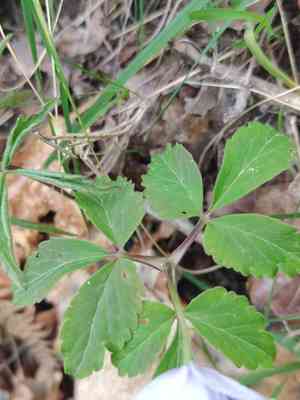
Anemone trifolia flourishes in dim, forested habitats featuring damp, adequately drained earth. Reproduction through seeding necessitates newly harvested seeds due to their brief lifespan. Disperse the seeds atop the soil, pressing lightly without complete burial, and ensure the substrate remains uniformly hydrated. Optimal sprouting transpires in chilly surroundings. Considering the fragile character of Anemone trifolia, it is prudent to limit interference after germination.
Optimal Period for Three-leaved Windflower Propagation
Propagation Method
Seeding
Propagation Period
Spring
Tools for Three-leaved Windflower Propagation
Seed Trays
Seed trays are crucial for planting three-leaved windflower seeds. They offer a controlled setting for germination and seedling development. These trays maintain uniform depth and spacing, fostering robust root growth and minimizing nutrient competition.
Seed Compost
Seed compost offers the perfect growth medium for three-leaved windflower seeds. It's typically lighter and finer than standard potting soil, enhancing drainage and aeration, which are vital for seed germination and the growth of young seedlings.
Gentle Watering Can
A gentle watering can aids in irrigating three-leaved windflower seeds and seedlings without disturbing the soil or causing harm. Its fine rose attachment ensures a soft water distribution, especially important during the delicate early stages of seedling growth.
Propagation Mat
A propagation mat provides consistent warmth from below, which can boost the germination rate and accelerate the growth of three-leaved windflower seeds. This tool is particularly beneficial in colder climates or seasons.
Transparent Lid or Dome
A clear lid or dome is used to cover seed trays to maintain a humid environment, which is advantageous for the germination of three-leaved windflower seeds. This helps reduce evaporation and keeps the soil consistently moist.
Labeling Stakes
Labeling stakes are used to mark the planting date and the type of seeds sown in each section of your seed trays. This is especially helpful for monitoring the growth progress of three-leaved windflower and for identifying seedlings once they begin to emerge.
Fine Mesh Sieve
A fine mesh sieve can be used to lightly cover three-leaved windflower seeds with a thin layer of compost or vermiculite, ensuring good seed-to-soil contact while still allowing light to penetrate if needed for germination.
Spray Bottle
A spray bottle is a useful tool for misting three-leaved windflower seeds and seedlings without displacing soil or damaging the delicate young plants. Misting helps maintain humidity and provides gentle hydration.
How to Propagate Three-leaved Windflower?
Propagation Type
Simple
Caring for Your Newly Propagated Three-leaved Windflower
Caring for Your Newly Propagated Three-leaved Windflower
Post-propagation, transplant three-leaved windflower seedlings into individual containers or directly into the garden in a shaded spot with moist, well-draining soil. Ensure regular watering and protection from direct sunlight until they are established. Apply mulch around the plants to retain soil moisture and inhibit weed growth. Periodically check for pests and diseases, addressing any issues promptly to ensure robust development.
Common Errors to Avoid When Propagating Three-leaved Windflower
Overwatering
The plant three-leaved windflower is prone to root rot if the soil remains excessively damp. This can lead to yellowing foliage and eventual plant demise.
Incorrect Soil Composition
Utilizing heavy, clay-rich soil can impede drainage, negatively impacting the root system of three-leaved windflower.
Insufficient Light
Placing three-leaved windflower in overly shaded areas can hinder its growth and diminish the likelihood of successful propagation.
Neglecting Proper Spacing
Planting three-leaved windflower too closely can result in overcrowding, which restricts air circulation and encourages diseases.
Tips For Propagating Three-leaved Windflower
Utilize Well-Draining Soil
Combine sand or perlite with garden soil to enhance drainage. This helps prevent root rot and promotes healthy root development for three-leaved windflower.
Moderate Watering
Water three-leaved windflower when the top layer of soil feels dry to the touch. This helps maintain consistent moisture levels without waterlogging the roots.
Provide Partial Shade
Position three-leaved windflower in a location that receives filtered sunlight or partial shade. This ensures optimal light conditions for growth without excessive exposure.
Maintain Proper Spacing
Ensure that each three-leaved windflower plant is adequately spaced. This encourages good air flow and resource distribution, reducing disease incidence.



