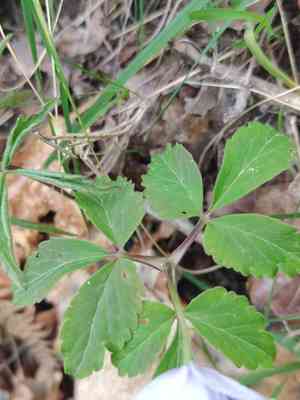
Three-leaved windflower (Anemone trifolia)
Also known as: Three-leaved Anemone
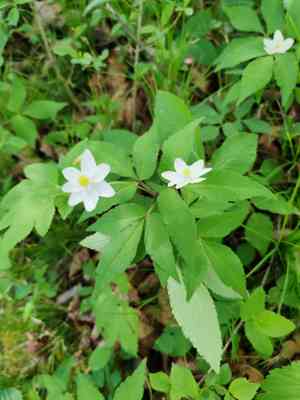
Three-leaved windflower, a charming perennial herb, showcases delicate white or pale blue flowers that bloom in the spring. This plant, identified by its three-part leaves, flourishes in the dappled shade of forested regions. It prefers moist, well-drained soil rich in organic material, making woodland environments ideal for its growth. Often forming a picturesque ground cover, three-leaved windflower enhances the serenity of forest floors.
In This Article
Attributes of Three-leaved windflower
Lifespan
Perennial
Plant Type
Herb
Plant Height
15 cm to 30 cm
Spread
N/A (herbaceous plant)
Leaf Color
Green
Flower Size
2-3 cm
Flower Color
White
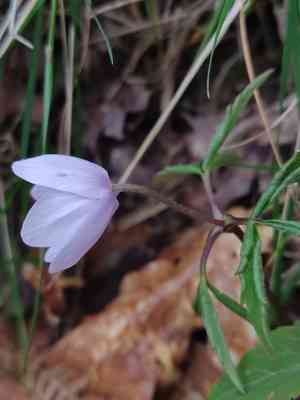
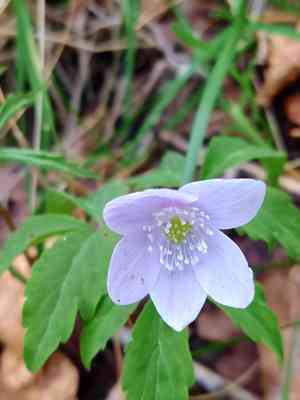
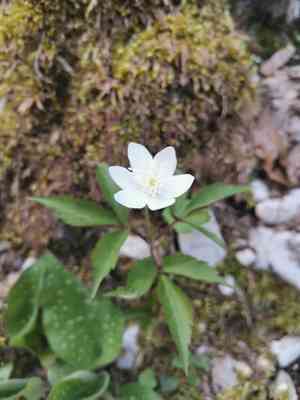
Images of Three-leaved windflower
Quickly Identify Three-leaved windflower
1
This plant can be identified by its distinctive three-lobed leaves and its white, buttercup-like flowers. It typically has a small stature, growing close to the ground.
Scientific Classification of Three-leaved windflower
Phylum
Vascular plants
Class
Dicotyledons
Order
Ranunculales
Family
Buttercup
Genus
Windflowers
Species
Three-leaved windflower
Planting and Growing of Three-leaved windflower
Care Difficulty
Easy
Watering Schedule
Every 2 days
Sunlight Requirements
Partial sun
Sunshine Duration
4-8 hours
Ideal Temperature
60-75℉
Soil Type
Potting Mix, Peat Mix
Soil pH
6-7.5
Fertilizer Type
Balanced
Pruning Season
Spring, Summer
Pruning Area
Branches, Leaves
Pruning Frequency
2 times a year
Repotting Season
Spring
Pot Type
Ceramic, Plastic
 How to Water Three-leaved windflower?
Anemone trifolia requires sufficient moisture without becoming soggy. Water until approximately 500 milliliters have saturated the soil and water starts draining out from the bottom, ensuring the roots are adequately hydrated but not waterlogged.
What are the symptoms of an underwatered Three-leaved windflower?
›
What should I do if my Three-leaved windflower is not getting enough water?
›
What are the symptoms of an overwatered Three-leaved windflower?
›
How to save an overwatered Three-leaved windflower?
›
 What Are the Sunlight Requirements for Three-leaved windflower?
Partial shade provides the ideal growth conditions, fostering balanced photosynthesis and temperature regulation. This environment promotes lush foliage and enhances flowering potential, ensuring Anemone trifolia thrives in its surroundings.
What is the best lighting setup for Anemone trifolia?
›
How can I ensure consistent light exposure for Anemone trifolia?
›
What are the benefits of ideal lighting for Anemone trifolia?
›
 What Is the Ideal Temperature Range for Three-leaved windflower?
The ideal temperature range for cultivating Anemone trifolia is between 60°F and 75°F. These temperatures provide the perfect balance of warmth without overheating, allowing for optimal photosynthesis and nutrient absorption, which are crucial for healthy growth. Ensuring these conditions will yield robust and thriving plants.
 What Soil is Best for Three-leaved windflower?
Anemone trifolia thrives in nutrient-rich soil that supports its growth and blooms. Providing a fertile ground enhances its lush foliage and vibrant flowers, making it a garden delight. This plant prefers well-draining soil to prevent root rot. Proper drainage ensures that the roots receive adequate oxygen, maintaining root health and overall plant vitality. The soil should hold moisture without becoming waterlogged. This balance supports continuous growth and sustenance, especially during dry spells, ensuring the plant remains vibrant.
 How to Fertilize Three-leaved windflower?
Anemone trifolia thrives on moderate fertilization. For liquid fertilizers, use a diluted solution at half the recommended strength. It's crucial not to overload the soil with nutrients, as this can damage the roots and inhibit growth.
 How to Prune Three-leaved windflower?
Begin by inspecting your Anemone trifolia for any dead or diseased stems and remove them carefully with clean, sharp scissors. Ensure you maintain a natural shape by trimming branches back to a lateral bud, allowing the plant to recover gracefully without disrupting its natural form. Focus on removing any remaining dead foliage and stems in early spring before the new growth takes hold. This promotes better air circulation and minimizes the risk of fungal infections, ensuring a healthier and more vibrant plant for the season ahead.
More About Pruning Techniques→
 How to Propagate Three-leaved windflower plant?
1
Harvest seeds from Anemone trifolia as the seed pods mature and start to turn brown. This typically occurs in late spring. Open the pods and extract the seeds, ensuring they're dry before planting or storing.
2
Use well-draining, fertile soil for planting Anemone trifolia. Loosen the soil in the garden bed or prepare a seedling tray with a mixture of peat and perlite to promote root growth.
3
Sow seeds on the soil surface and cover them with a thin layer of soil or vermiculite. Keep the soil consistently moist and place the seeds in a well-lit area. Germination can take a few weeks.
 How to Repot Three-leaved windflower plant?
1
Anemone trifolia should be repotted when you notice roots circling the bottom of its pot or popping out of the drainage holes. Difficulty in water absorption, wilting even with adequate watering, or visibly worn-out soil are clear indicators. Repotting in spring or autumn ensures the plant has enough time to adapt before extreme weather conditions arise.
2
Select a pot that's one size larger than the current one, ideally made of terracotta or clay, allowing the soil to breathe. Drainage holes are crucial to prevent waterlogging. A slightly larger pot accommodates root growth, reducing the need for frequent repotting, and maintains the plant's health and stability over time.
3
Opt for a rich organic soil mix with excellent drainage properties. Combining garden soil with organic matter like compost or leaf mulch provides essential nutrients. A well-draining mix prevents root rot and mimics the plant's natural habitat, promoting healthy growth and vibrant blooms.
Toxicity
Ingestion
WARNING
The judgment on toxicity and danger is for reference only. We DO NOT GUARANTEE any accuracy of such judgment. Therefore, you SHALL NOT rely on such judgment. It is IMPORTANT TO SEEK PROFESSIONAL ADVICE in advance when necessary.
Learn More About Three-leaved windflower Diseases
Anthracnose
Bacterial Leaf Spot
Bacterial Soft Rot
Bacterial Wilt
Black Spot
Chemical Injury
Crown Gall
Cyst Nematode
Damping-off
Downy Mildew
Drought Stress
Fusarium Wilt
Gray Mold
Leaf Curl
Leaf Spot
Mosaic
Nutrient Deficiency
Nutrient Toxicity
Powdery Mildew
Root Rot
Root-knot Nematode
Rusts
Sooty Mold
Spider Mites
Temperature Stress
Thrips Damage
White Mold



