How to Propagate Heart-leaf pepper vine?
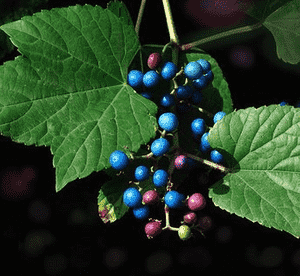
The heart-leaf pepper vine, a scandent or creeping plant recognized for its cordate foliage and tiny, unremarkable blossoms, can be effectively multiplied via cuttings. To achieve optimal outcomes, choose robust, non-blooming stems for your cuttings and apply a rooting stimulant to foster swift root formation. Verify that the substrate drains efficiently and that the cuttings are maintained in a moist and warm environment until their root systems are firmly established. By diligently managing hydration and initially shielding them from direct solar exposure, heart-leaf pepper vine will flourish and expand robustly.
Optimal Period for Propagating Heart-leaf Pepper Vine
Propagation Method
Cutting
Propagation Period
Spring,Summer
Essential Tools for Heart-leaf Pepper Vine Propagation
Sharp pruning shears
These are vital for obtaining clean, precise cuttings from heart-leaf pepper vine. Sharp blades ensure smooth cuts, preventing tissue damage, which is crucial for efficient rooting. This minimizes stress on the parent plant and boosts cutting survival rates.
Rooting hormone powder or gel
This product aids in stimulating root formation on heart-leaf pepper vine cuttings. Applying rooting hormone to the cut end promotes faster root development, essential for successful propagation. Gel or powder forms are common, with specific formulations for hardwood or semi-hardwood cuttings being ideal for heart-leaf pepper vine.
Sterilized potting mix
A sterile, well-draining medium is critical for rooting heart-leaf pepper vine cuttings. A pathogen-free potting mix ensures a healthy start for new plants, reducing disease risk during root development. The mix should retain moisture while allowing excess water to drain, preventing rot.
Propagation trays or small pots
These containers house heart-leaf pepper vine cuttings during the rooting process. Each cutting needs ample space for root growth and development. Trays or pots with drainage holes are essential to prevent waterlogging, fostering healthier root systems.
Plastic covers or humidity domes
Maintaining high humidity benefits heart-leaf pepper vine cuttings by preventing water loss as roots establish. Covers or domes retain moisture around cuttings, creating a greenhouse-like microclimate that enhances rooting success.
Propagating Heart-leaf Pepper Vine: A Guide
Propagation Difficulty
Moderately Difficult
Post-Propagation Care for Your Heart-leaf Pepper Vine
Post-Propagation Care for Your Heart-leaf Pepper Vine
Once roots form, gradually introduce heart-leaf pepper vine to lower humidity by removing the plastic cover over several days. Transplant rooted cuttings into a larger pot or garden spot with rich, well-draining soil. Water consistently to keep soil moist but not waterlogged. Provide partial sun to light shade, and apply a balanced, slow-release fertilizer every six months for robust growth.
Common Errors to Avoid When Propagating Heart-leaf Pepper Vine
Overwatering cuttings
Excessive watering of heart-leaf pepper vine cuttings frequently leads to root rot, severely impeding root development and potentially killing the plant.
Using non-sterile tools
Propagation involves cutting parts of heart-leaf pepper vine, and unsterilized tools can introduce pathogens to fresh cuts, increasing the chance of infection and disease.
Cutting incorrect plant parts
Attempting to propagate non-viable sections of heart-leaf pepper vine, such as old or diseased stems, can result in poor root formation and low survival rates.
Helpful Hints for Propagating Heart-leaf Pepper Vine
Use healthy stem cuttings
Selecting robust, disease-free young shoots of heart-leaf pepper vine improves the likelihood of successful root growth and overall plant health.
Maintain high humidity
Enclosing the heart-leaf pepper vine propagation area in a plastic bag or using a humidity dome helps sustain necessary moisture levels around cuttings, encouraging root development.
Proper soil mix
Utilizing a well-draining soil mix enriched with organic matter supports heart-leaf pepper vine rooting, providing essential nutrients and air circulation for healthy root growth.



