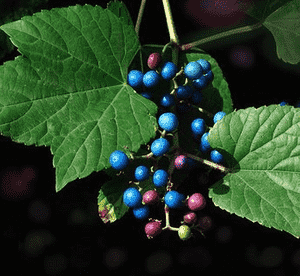
Heart-leaf pepper vine (Ampelopsis cordata)
Also known as: Wild ivy, Cordate-leaved peppervine
The heart-leaf pepper vine (Piper ornatum) is a lush, climbing plant recognized for its heart-shaped leaves adorned with striking silver or white patterns. It grows rapidly and can produce small, round fruits that change from green to vibrant purple upon ripening. Typically found in tropical and subtropical regions, this vine thrives under the canopy of larger trees, benefiting from their shade and structural support. It is adaptable to different soil types but prefers well-draining, rich, and slightly acidic soils. The plant flourishes in warm, humid environments, making it a common sight in regions with these conditions.
In This Article
Attributes of Heart-leaf pepper vine
Lifespan
Perennial
Plant Type
Vine
Plant Height
3.5 m to 11 m
Spread
Variable, often spreading across structures it climbs
Leaf Color
Green
Flower Size
Approximately 0.5 cm (around 0.2 inches)
Flower Color
Greenish-white
Images of Heart-leaf pepper vine
Quickly Identify Heart-leaf pepper vine
1
Look for heart-shaped leaves, climbing habit, and small berries that change color from green to blue-black. The stems are woody and the leaves are often coarsely toothed.
Scientific Classification of Heart-leaf pepper vine
Phylum
Vascular plants
Class
Dicotyledons
Order
Vitales
Family
Grape
Genus
peppervine
Species
Heart-leaf pepper vine
Planting and Growing of Heart-leaf pepper vine
Care Difficulty
Easy
Watering Schedule
Every 4 days
Sunlight Requirements
Partial sun
Sunshine Duration
4-8 hours
Ideal Temperature
60-75℉
Soil Type
Potting Mix, Peat Mix
Soil pH
6.5-7.5
Fertilizer Type
Balanced
Pruning Season
Spring, Summer
Pruning Area
Branches, Leaves
Pruning Frequency
2 times a year
Repotting Season
Spring
Pot Type
Plastic, Ceramic
 How to Water Heart-leaf pepper vine?
For Ampelopsis cordata, it is crucial to water until the soil feels evenly moist but not waterlogged. The amount should be about 500ml to ensure it penetrates down to the roots. This approach keeps the roots hydrated but avoids drowning them, essential for healthy growth.
What are the symptoms of an underwatered Heart-leaf pepper vine?
›
What should I do if my Heart-leaf pepper vine is not getting enough water?
›
What are the symptoms of an overwatered Heart-leaf pepper vine?
›
How to save an overwatered Heart-leaf pepper vine?
›
 What Are the Sunlight Requirements for Heart-leaf pepper vine?
Ampelopsis cordata ideally needs partial sun to full sun. Adequate lighting ensures strong growth and development, maintaining lush foliage and robust health, which in turn enhances its ornamental appeal.
Why does Ampelopsis cordata thrive in partial sun?
›
How can I provide the best lighting for Ampelopsis cordata?
›
What are the benefits of ideal lighting for this plant?
›
 What Is the Ideal Temperature Range for Heart-leaf pepper vine?
Ampelopsis cordata thrives best in temperatures ranging from 60°F to 75°F. This range ensures optimal growth and development, as it closely mimics the plant's natural habitat. Maintaining this temperature not only supports vigorous growth but also helps in producing lush foliage. It's crucial to monitor the environmental conditions to keep the plant in its comfort zone for the best results.
 What Soil is Best for Heart-leaf pepper vine?
Ampelopsis cordata thrives in well-drained soil to prevent root rot. This type of soil allows excess water to escape, providing the roots with ample oxygen, which is essential for healthy growth. Nutrient-rich soil is ideal for Ampelopsis cordata as it promotes vigorous growth and lush foliage. The abundance of organic matter supports the plant's overall health by delivering essential nutrients consistently. This plant requires a balance in moisture retention, avoiding extreme dry or waterlogged conditions. Proper moisture levels prevent stress on the plant, maintaining its vigor and resilience against diseases.
 How to Fertilize Heart-leaf pepper vine?
For Ampelopsis cordata, it's crucial to use the right fertilizer quantity. Liquid fertilizers should be diluted to half the recommended strength on the packaging. Use around 200-300 ml per plant per application. For slow-release fertilizers, apply approximately 10-15 grams per plant, spreading it evenly around the base.
 How to Prune Heart-leaf pepper vine?
Start by examining the plant and identifying branches that require cutting. This includes deadwood, which appears brittle and lifeless, as well as broken stems and those that seem to be underperforming or diseased. Pruning these will enhance the health and longevity of the plant. Trim back any overextended branches or those that disrupt the desired shape of the plant. Symmetrical trimming can contribute to a more appealing form. Regular pruning during the season supports healthy growth patterns and allows sunlight and air to penetrate deeper, nurturing underlying foliage.
More About Pruning Techniques→
 How to Propagate Heart-leaf pepper vine plant?
1
Choose mature, healthy parent plants to ensure the cuttings or seeds are vigorous. Inspect for signs of disease or pest infestation to prevent propagation failures.
2
Cut semi-hardwood tips, approximately 4-6 inches long, using sharp, sterilized shears. Remove lower leaves to prevent rotting when planted in the soil.
3
Insert the cut end of the cutting into a small pot filled with a moist potting mix. Firmly press the soil around the base to hold the cutting in place.
 How to Repot Heart-leaf pepper vine plant?
1
Ampelopsis cordata, also known as Heartleaf Ampelopsis, signals its need for repotting when you notice roots growing out from the drainage holes or a stunted growth. Spring or summer is ideal as the plant is actively growing, which helps it recover from repotting stress more effortlessly.
2
Select a pot that's one size larger than the current one, with good drainage holes. This allows adequate space for root growth and helps prevent waterlogging. A pot with proper drainage helps to maintain a healthy root system, ensuring that the plant receives enough oxygen and prevents root rot.
3
Opt for a well-drained loamy soil mix. This type of soil supports healthy drainage, preventing soggy conditions that could lead to root diseases. A loamy mix provides the ideal balance of air, moisture, and nutrients, fostering robust growth and reducing the likelihood of stress post-repotting.
Learn More About Heart-leaf pepper vine Diseases
Anthracnose
Bacterial Leaf Spot
Black Spot
Chemical Injury
Crown Gall
Damping-off
Downy Mildew
Drought Stress
Fusarium Wilt
Gray Mold
Leaf Curl
Leaf Spot
Mosaic
Nutrient Deficiency
Nutrient Toxicity
Powdery Mildew
Root Rot
Root-knot Nematode
Rusts
Sooty Mold
Spider Mites
Temperature Stress
Thrips Damage
White Mold



